The aphid life cycle is one of the most interesting survival systems in the insect world. Aphids are tiny, soft-bodied insects that feed by sucking plant sap from leaves, stems, buds, roots, and tender new growth. They may look weak, but their power comes from speed. A small colony can grow quickly because many aphid species reproduce without mating during warm parts of the year. This is why gardeners often see only a few aphids one week and a heavy infestation the next.
The word aphid usually refers to insects in the superfamily Aphidoidea, especially the family Aphididae. These insects are also called plant lice because they live on plants and use piercing mouthparts to draw out fluids. Almost every type of plant has at least one aphid species that may feed on it, and many aphids are hard to identify without close study. Most garden management methods are similar across common aphid species.
Understanding aphid eggs, nymphs, winged adults, wingless adults, and seasonal survival helps explain why aphid control needs patience. Aphids are not only pests. They also feed lady beetles, lacewings, hoverfly larvae, parasitic wasps, birds, and other natural enemies. Their sugary honeydew also connects them with ants and other insects in the Ecosystem.
Quick Answers: Most Common Questions
Q: What is the aphid life cycle?
A: The aphid life cycle usually includes egg, nymph, adult, and reproduction stages. Many species overwinter as eggs, hatch in spring, reproduce without mating for many generations, then produce sexual males and females in autumn to lay overwintering eggs.
Q: Why do aphids multiply so fast?
A: Aphids multiply quickly because many females give birth to live young without mating. In good weather, some species can complete many generations in one growing season. The University of Minnesota notes that cabbage aphids can complete up to 15 generations per season.
Q: Are aphids harmful or helpful?
A: Aphids can harm plants by removing sap, curling leaves, spreading some plant viruses, and producing sticky honeydew. At the same time, they are food for many beneficial insects and are part of natural food webs. Good management protects plant health without destroying every helpful predator.
Quick Life Cycle Table
| Stage | What Happens | Why It Matters |
| Egg | Many aphids overwinter as tiny dark eggs on plant stems, buds, leaves, bark, or plant debris. | This stage helps aphids survive cold weather and return in spring. |
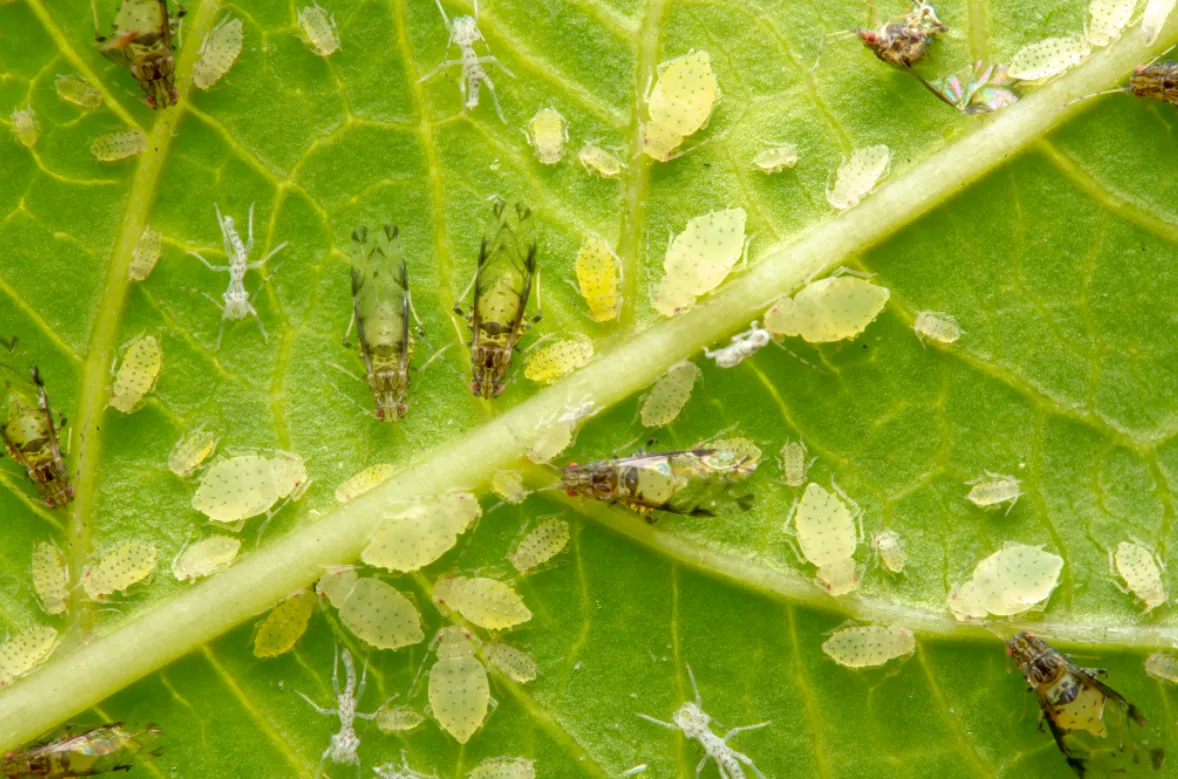
| Nymph | Nymphs look like small adults. They feed on plant sap and molt as they grow. | Nymphs increase the colony quickly because they start feeding almost immediately. |
| Wingless adult | Most warm-season adults are female and give birth to live young without mating. | This is the main reason aphid numbers rise so fast on garden and crop plants. |
| Winged adult | Winged forms appear when colonies are crowded, plants decline, or migration is needed. | They spread to new plants and start fresh colonies. |
| Sexual generation | In many species, males and females appear in autumn and produce fertilized eggs. | These eggs restart the cycle. |
Most aphids have a flexible life cycle. Some species stay on one host plant, while others move between a woody primary host and a softer secondary host during the year.
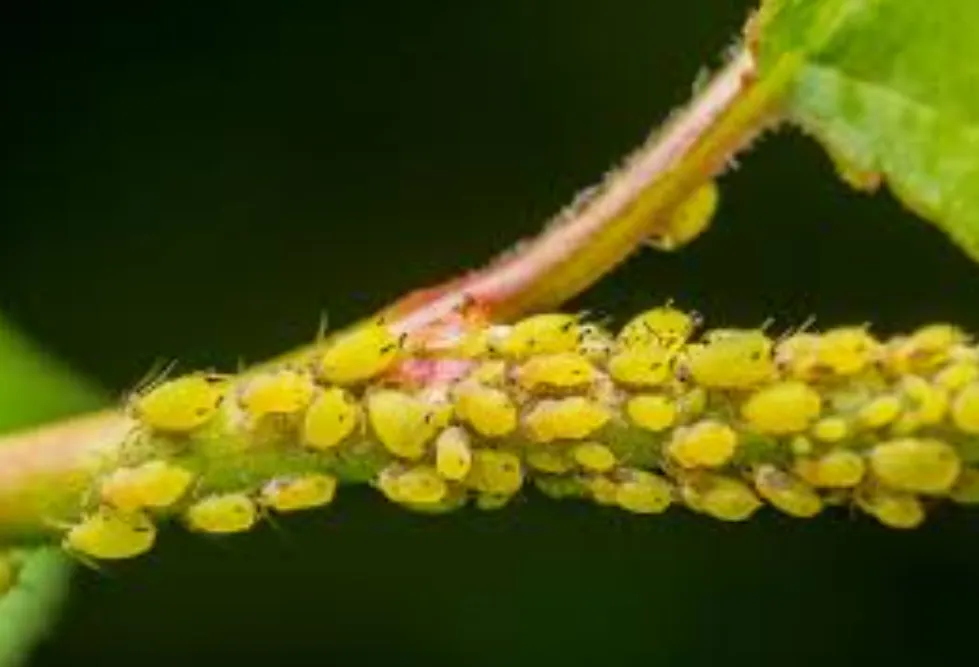
The History of Their Scientific Naming
- Aphid derives from the scientific naming tradition, based on Aphis, a name used by Carl Linnaeus in 1758. The exact reason for the name is uncertain, but etymological sources connect it to Modern Latin aphides, the plural of aphid.
- The family name Aphididae is linked to Latreille, 1802. Aphid Species File lists Aphididae Latreille, 1802 and names Aphis Linnaeus, 1758 as the type genus.
- The common aphid’s meaning is simple. Merriam-Webster defines an aphid as a small, soft-bodied insect that sucks plant juices. This meaning fits their feeding habit and their old common name, plant lice.
- Their scientific position is important because aphids belong to the order Hemiptera, a group known for piercing and sucking mouthparts. This explains how an aphid feeds without chewing leaves like caterpillars do.
- Scientific naming also helps separate common forms such as green peach aphid, cabbage aphid, rose aphid, woolly apple aphid, and beech blight aphid. Many look similar at first glance, but their host plants, wax coverings, body shapes, and life cycle details may differ.
Their Evolution And Their Origin
The origin of aphids dates back to the early stages of insect history. Aphids are part of Hemiptera, and their ancestors developed mouthparts suited for feeding on plant fluids. This feeding style gave them access to phloem sap, a liquid rich in sugar but low in some essential nutrients. Over time, aphids formed an important relationship with internal bacteria such as Buchnera aphidicola, which help provide nutrients that plant sap does not supply in enough amounts. This partnership is one reason aphids became so successful as plant sap feeders.
Fossil evidence shows that aphids are an old insect group. Research on early aphid evolution describes them as one of the oldest insect groups, with the first unquestionable fossil representatives known from the Middle Triassic. The fossil record is limited because aphids have soft bodies, but amber and compression fossils still give useful clues about their long history.
Aphid evolution is closely tied to plant evolution. As flowering plants diversified, aphids also found more host plants and more ecological spaces. This likely helped many aphid groups specialize in certain plants. Some aphids evolved simple life cycles on a single plant type, while others evolved host alternation, moving between primary and secondary hosts during different seasons.
Modern aphids exhibit many survival traits that likely arose during this long evolutionary path. They can produce winged forms when crowded. They can reproduce without mating during favorable seasons. Some create waxy coatings, such as the woolly aphid, to protect their bodies. Others hide inside curled leaves or feed on roots and bark. These traits make aphids small but highly adaptable insects.
Important Things That You Need To Know
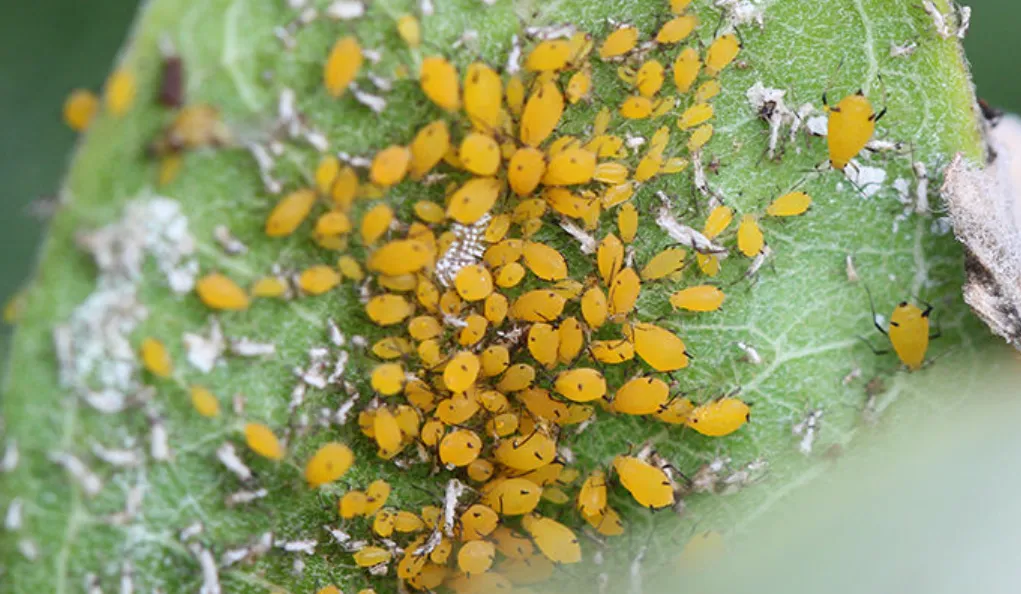
The aphid is not just one insect. It is a broad name for many small sap-sucking insects that may be green, black, yellow, brown, pink, gray, or covered in white wax. The simple definition of an aphid is a tiny plant-feeding insect. Still, in gardens and farms, the word often refers to rapid reproduction, sticky honeydew, curled leaves, and the need for careful plant observation.
A woolly aphid is a type of aphid covered with white, cotton-like wax. People also search for woolly aphid, which is a common misspelling of woolly aphid. Woolly apple aphids, for example, may appear as cottony clusters on wounds, pruning scars, branches, trunks, roots, and sometimes fruit areas of apple trees. UC IPM notes that woolly apple aphids are covered with whitewool-like wax and may be found on the aerial parts of trees and roots during winter.
Aphid eggs are usually tiny, oval, and dark. Many species lay their eggs in autumn so the next generation can survive winter. During warm weather, many aphids skip egg laying and give birth to live nymphs. This is why infestations build so quickly.
Good aphid control should not mean killing every insect on the plant. First check for lady beetles, lacewings, hoverfly larvae, parasitic wasps, and aphid mummies. These natural enemies often reduce aphid numbers if broad pesticides are avoided.
An aphid bug can be a pest, but it is also food for many creatures. This makes aphid management a balance between protecting plants and protecting the natural system.
Their main food and its collection process
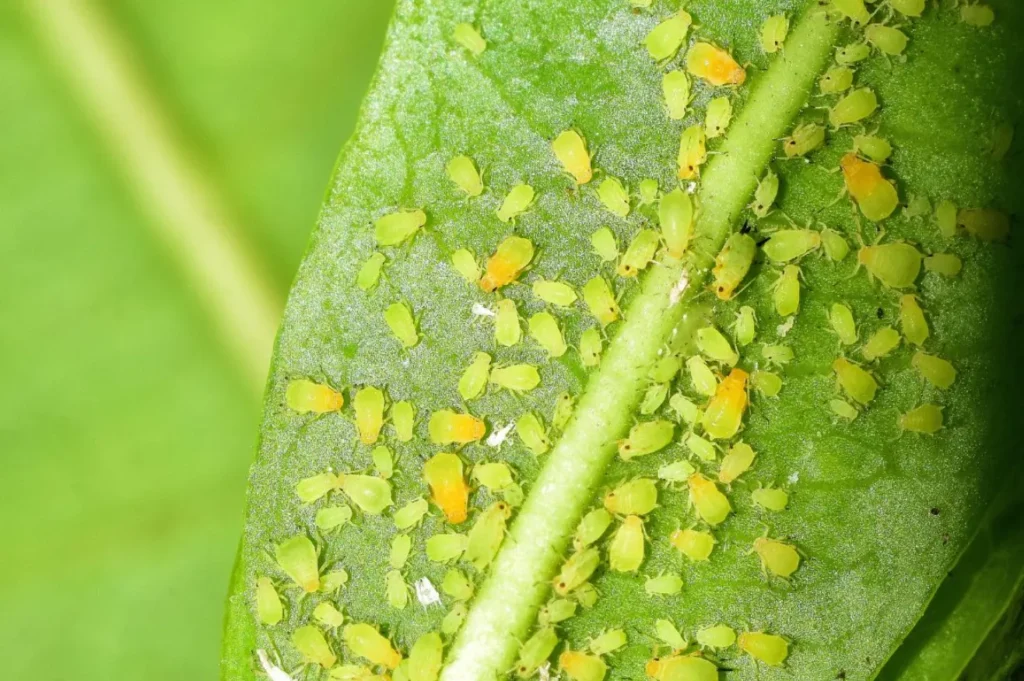
Aphids mainly feed on plant sap. They do not chew leaves like grasshoppers or caterpillars. Instead, they use thin, needle-like mouthparts called stylets to pierce soft plant tissue and reach the sap inside. UC IPM describes aphids as insects with long, slender mouthparts that pierce stems, leaves, and tender plant parts to suck out fluids.
Their food collection process is quiet and continuous. A colony may sit on the underside of leaves, new shoots, buds, flowers, stems, roots, or bark. Young plant growth is often attractive because it is tender and rich in flowing nutrients.
Key parts of their feeding process include:
- Finding a host plant
- Winged aphids land on plants and test them. If the plant is suitable, they begin feeding and may start a new colony.
- Piercing the plant tissue
- The aphid inserts its stylets into the plant. These mouthparts pass between plant cells until they reach sap-rich tissue.
- Drinking phloem sap
- Phloem sap contains sugar, water, and nutrients. Since it is high in sugar, aphids often take in more sugar than they need.
- Producing honeydew
- Extra sugar leaves the body as sticky, honey-like waste. This honeydew can coat leaves and fruit, attract ants, and promote the growth of black sooty mold.
- Feeding with protection
- Some ants protect aphids because they feed on the aphids’ honeydew. This ant-aphid relationship can make aphid colonies harder for predators to control. Honeydew is also a source of energy for other organisms.
This feeding system is efficient, but it can weaken plants when aphid populations are high. Damage may include curled leaves, yellowing, poor growth, distorted buds, sticky surfaces, and lower crop quality.
Their life cycle and ability to survive in nature
Egg stage and winter survival
Many aphids survive winter as aphid eggs. These eggs are often placed on perennial plants, stems, leaf undersides, or protected crevices. UNH Extension notes that eggs are tiny, oval, black, and attached to plant parts such as leaf undersides, stems, and crevices.
This egg stage protects the next generation during cold weather. When spring returns and plants begin new growth, eggs hatch, and the first females start feeding.
Nymph stage and fast growth
Aphid nymphs look like smaller versions of adults. They do not pass through a caterpillar stage or a pupa stage. They molt several times as they grow. In favorable conditions, some aphid species can develop through several instars in about a week and begin producing offspring soon after.
Adult stage and colony growth
Adult aphids may be wingless or winged. Wingless females usually stay on the plant and produce many young. Winged aphids appear when the plant is crowded, food quality drops, or the colony needs to move. This gives aphids a strong survival advantage because they can spread before a plant becomes unsuitable.
Seasonal flexibility
Some aphids have a complete seasonal cycle with sexual reproduction and overwintering eggs. Others may reproduce without mating for long periods, especially in mild winters or in greenhouses. This flexibility allows them to survive in many climates and plant systems.
Their Reproductive Process and raising their children
Aphid reproduction is unusual because many aphid females can reproduce without males. This process is called parthenogenesis. During much of the growing season, female aphids can give birth to live female nymphs. This allows colonies to grow very fast when the temperature, food, and plant quality are favorable.
Important parts of their reproductive process include:
- Live birth during warm seasons
- Many aphids do not lay eggs in summer. They give birth to live young that begin feeding soon after birth.
- Mostly female colonies
- Warm-season colonies often contain many females. Since each female can produce more females, population growth can be very rapid.
- Short generation time
- Some species can mature quickly. In good conditions, nymphs develop through several growth stages and begin reproducing soon after becoming adults.
- Winged offspring when needed
- When colonies are crowded or plants decline, aphids can produce winged forms. These winged adults fly or drift to new plants and begin new colonies.
- Sexual reproduction in autumn
- In many temperate species, males and egg-laying females appear later in the season. They mate, and females lay fertilized eggs that survive winter.
- No parental care like birds or mammals
- Aphids do not raise their children in the emotional sense. Their main support is biological. They give birth directly to food plants, so the young can feed immediately.
This system is one of the main reasons aphid control can be difficult. A few surviving aphids can restart a colony if plants remain suitable and natural enemies are absent.
The importance of them in this Ecosystem
Food for beneficial insects
Aphids are an important food source for many predators and parasitoids. Lady beetles, lacewings, syrphid fly larvae, soldier beetles, parasitic wasps, and some disease organisms naturally reduce aphid populations. UC IPM recommends checking for these natural enemies before taking strong control action.
This means aphids help support beneficial insect populations. Without aphids and other small plant-feeding insects, many predators would have less food.
Part of the honeydew food chain
Aphids produce honeydew, a sugary waste liquid from sap feeding. Honeydew feeds ants and other insects. It can also support microbial activity on plant surfaces. Trees for Life describes aphid honeydew as an important energy source for many organisms and as a driver of some ant-aphid relationships.
A link between plants and animals
Aphids move plant energy into the insect food web. They take sugar from plants, then become food for predators, parasitoids, and sometimes birds. In this way, the aphid bug is a bridge between plants and animals.
Natural balance indicator
Heavy aphid outbreaks may show that a garden or farm system is out of balance. Too much nitrogen, a lack of plant diversity, the absence of predators, drought stress, or widespread insecticide use can create conditions in which aphids grow faster than nature can control them.
A challenge and a resource
Aphids can harm crops and ornamentals, but they also maintain predator populations. The best ecological approach is not total removal. Balanced management protects plant health while maintaining natural enemies.
What to do to protect them in nature and save the system for the future
Aphids should be managed carefully, not unthinkingly destroyed. The goal is to protect plants, useful insects, soil life, and the natural balance.
- Observe before acting
- Check the undersides of leaves, new shoots, stems, buds, and curled leaves. Also look for lady beetles, lacewings, hoverfly larvae, parasitic wasps, and aphid mummies.
- Protect natural enemies
- Avoid broad insecticides when predators are present. UC IPM recommends nonchemical methods first and lower-risk options, such as insecticidal soaps or oils, only when needed.
- Use a water spray for small colonies.
- A strong stream of water can knock aphids off plants. The University of Minnesota notes that aphids are not strong insects, and rain or water spray can reduce numbers.
- Grow flowering plants
- Plant flowers that bloom at different times. This provides nectar and pollen to beneficial insects, which later feed on aphids.
- Avoid too much nitrogen fertilizer.
- Soft, fast-growing plants often attract aphids. Balanced feeding makes plants less inviting.
- Remove heavily infested tips.
- If aphids are hiding inside curled leaves or damaged shoots, prune those parts and dispose of them.
- Control ants when necessary
- Ants may protect aphids for honeydew. Reducing ant access can help predators reach the colony.
- Use soap or oil carefully.
- Insecticidal soaps and horticultural oils work by contact, so coverage matters. Do not apply during extreme heat or on drought-stressed plants.
- Keep the habitat diverse.
- A mixed garden with herbs, flowers, shrubs, and native plants supports more predators than a bare, single plant system.
Frequently Asked Questions FAQs
Q: What is the full aphid life cycle?
A: The full aphid life cycle often begins with overwintering eggs. Eggs hatch into nymphs in spring. Nymphs become adults. Adults reproduce without mating for many generations. In autumn, many species produce both male and female individuals that mate and lay eggs to survive the winter.
Q: What do aphid eggs look like?
A: Aphid eggs are usually tiny, oval, and dark, often black. They may be attached to stems, leaf undersides, bark, buds, or plant crevices. Their small size makes them easy to miss.
Q: What is the aphid’s meaning in simple words?
A: The simple aphid meaning is a small, soft-bodied insect that sucks juice from plants. Aphids are also called plant lice because they live on plants and feed on plant fluids.
Q: Is a woolly aphid different from a normal aphid?
A: A woolly aphid is still an aphid, but it has a white waxy covering that looks like cotton or wool. Woolly apple aphids can infest roots, trunks, branches, shoots, and sometimes fruit areas.
Q: Is woolly aphid the same as woolly aphid?
A: Yes. Woolly aphid is a common spelling variation, while woolly aphid is the more standard spelling. Both usually refer to aphids covered in white waxy material.
Q: What is the best aphid control method?
A: The best aphid control method starts with observation. Use water spray, encourage natural enemies, remove badly infested shoots, manage ants, and use insecticidal soap or oil only when needed. Avoid broad insecticides that kill predators.
Q: Do aphids lay eggs or give live birth?
A: Aphids can do both. Many species give live birth during warm seasons and lay eggs in autumn for winter survival. This mix of live birth and egg laying is one reason their life cycle is so successful.
Q: Why do aphids suddenly appear on plants?
A: Aphids often appear suddenly because winged adults fly or drift onto new plants. Once they settle, females can reproduce without mating, allowing a small number to grow into a large colony quickly.
Conclusion
The aphid life cycle is a powerful example of how a small insect can survive through speed, flexibility, and adaptation. Aphids use eggs to pass through cold seasons, nymphs to grow quickly, wingless females to build colonies, and winged adults to spread to new plants. Their ability to reproduce without mating makes them among the fastest-growing plant pests in gardens, orchards, fields, and natural habitats.
Still, aphids are more than pests. They feed beneficial insects, produce honeydew for other organisms, and connect plant energy with the wider food web. A smart approach to aphid control respects that balance. Instead of reaching for harsh chemicals first, observe the plant, protect natural enemies, use water sprays, manage ants, and apply lower-risk treatments only when needed.
By understanding aphid eggs, nymphs, adults, and the behavior of the woolly aphid, and their ecological role, you can protect plants while also supporting a healthier natural system.
Also Read: life of butterfly cycle