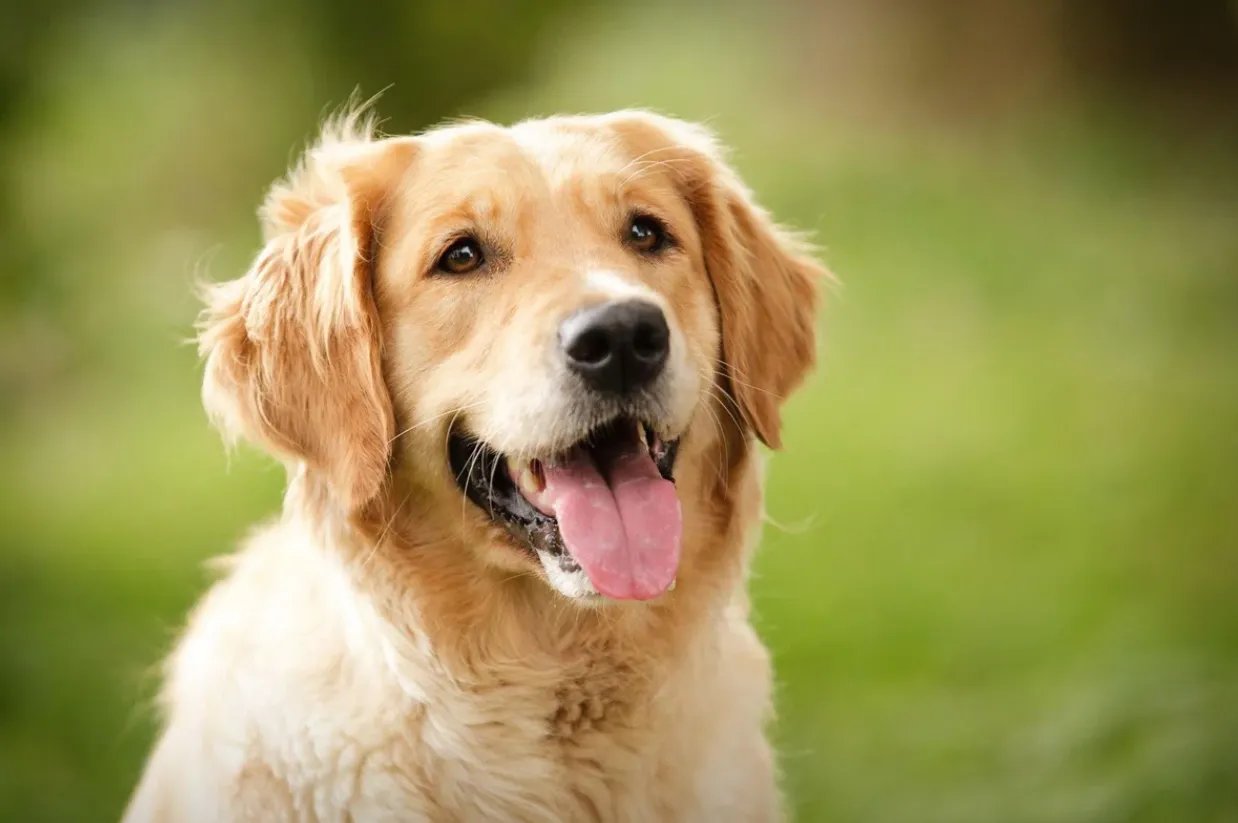
The life cycle of a dog describes the natural stages a dog passes through from birth to old age. Like humans, dogs do not stay the same throughout life. Their body size, behavior, diet, energy level, reproductive ability, and health needs change as they grow.
A domestic dog is scientifically known as Canis lupus familiaris or Canis familiaris. Dogs are members of the Canidae family and are closely related to wolves, foxes, and jackals. Modern dogs are domesticated animals, meaning they live mainly with humans and depend on human care for food, shelter, health protection, and safety.
The life cycle of a dog usually includes four major stages: puppy, adolescent, adult, and senior. However, the exact timing depends on breed, body size, genetics, nutrition, veterinary care, and lifestyle. Small dog breeds often mature faster and live longer, while large and giant breeds such as the Bernese Mountain Dog and Newfoundland Dog usually have shorter average lifespans than many small breeds.
Quick Answers: Most Common Questions
Q: What are the four stages in the life cycle of a dog?
A: The four main stages are puppy, adolescent, adult, and senior.
Q: How long does a dog usually live?
A: Many dogs live around 10–15 years, but lifespan varies greatly by breed, size, care, and health condition.
Q: When does a puppy become an adult dog?
A: Many dogs become adults between 1 and 2 years old, but large and giant breeds may take longer to mature fully.
Quick Life Cycle Table
| Life Stage | Approximate Age | Main Changes | Care Focus |
| Puppy | Birth to 6–12 months | Rapid growth, milk feeding, teething, and learning | Vaccines, socialization, puppy diet |
| Adolescent | 6 months to 2 years | Hormonal changes, high energy, and training challenges | Obedience, exercise, behavior guidance |
| Adult | 1–7 years | Full body development, stable habits | Balanced diet, activity, and dental care |
| Senior | 7+ years, earlier in giant breeds | Slower movement, lower energy, age-related risks | Vet checks, joint care, weight control |
The History of Their Scientific Naming, Evolution, and Origin
Scientific Naming of Dogs
The domestic dog is commonly classified as Canis lupus familiaris, meaning it is considered a domestic subspecies of the gray wolf. Some modern references also use Canis familiaris. The name reflects the close biological relationship between dogs and wolves.
Evolution from Wolves
Dogs are believed to have evolved from ancient wolf-like ancestors through domestication. This process happened when early humans and wolves began living near each other. Wolves that were less aggressive and more comfortable around humans gained access to food scraps and protection.
Over many generations, these animals became more social, trainable, and dependent on humans.
Origin of Domestic Dogs
Scientific reviews suggest that dogs were among the earliest domesticated animals. Evidence suggests dog domestication occurred thousands of years before modern agriculture, although exact dates and locations remain debated. A 2023 review notes that dogs diverged from gray wolves roughly between 32,000 and 11,000–16,000 years ago, depending on the evidence considered.
Development of Modern Dog Breeds
Modern dog breeds developed much later through selective breeding. Humans selected dogs for hunting, guarding, herding, pulling, companionship, and appearance. Today, dogs vary widely in size, coat type, facial shape, behavior, and health risks. The American Kennel Club recognizes 200 breeds, while more than 340 are recognized worldwide.
Their Reproductive Process, Giving Birth And Rising Their Children
Mating and Fertility
Female dogs usually become fertile after reaching sexual maturity, often during adolescence. This stage varies by breed and size. Smaller dogs may mature earlier, while large breeds often mature later.
Responsible breeding should only happen when dogs are physically mature, healthy, and screened for inherited diseases.
Pregnancy Period in Dogs
A dog’s pregnancy is called gestation. It usually lasts 57-65 days, with an average of 63 days. Breed, litter size, and conception timing can slightly affect the exact delivery date.
Giving Birth to Puppies
The birth process is known as whelping. A mother dog may give birth to one puppy or many puppies, depending on breed and individual health. Large breeds often have bigger litters than very small breeds.
Newborn puppies are born blind, deaf, and fully dependent on their mother.
Raising Their Puppies
During the first weeks, puppies depend on their mother’s milk for nutrition and immune support. The mother cleans them, keeps them warm, and stimulates them to urinate and defecate.
Puppies usually begin the weaning process around 3–5 weeks, gradually moving from milk to soft food.
Human Role in Puppy Care
In domestic life, humans play a major role in raising puppies. They provide safe bedding, warmth, veterinary care, deworming, vaccination, early training, and socialization.
Good early care strongly affects a dog’s future behavior, confidence, and health.
Stages of the Life Cycle of a Dog
1. Puppy Stage
The puppy stage begins at birth and usually lasts until about 6–12 months, depending on breed size. Puppies grow quickly, develop senses, learn social behavior, and explore their environment.
This stage is critical for socialization. Puppies should slowly learn about people, sounds, surfaces, other safe animals, grooming, and basic commands. Veterinary-guided vaccination is important before public exposure.
Puppies need food designed for growth because their bodies require higher energy, protein, calcium, and phosphorus than adult dogs.
2. Adolescent Stage
The adolescent stage often begins around 6–8 months and may continue until about 18–24 months. AKC notes that adolescent behavior may start around eight months and continue until two years in some dogs.
At this age, dogs may test boundaries, become more energetic, and show hormonal behaviors. Training can feel harder because the dog is no longer a small puppy but not yet a calm adult.
Consistent routines, positive reinforcement, leash training, and mental activities are especially important.
3. Adult Stage
The adult stage is the longest and most stable part of a dog’s life cycle. Adult dogs have completed most physical growth, although large breeds may continue filling out after their first birthday.
Adult dogs need a balanced diet, regular exercise, dental care, grooming, parasite prevention, and annual veterinary checkups. This is also the best time to maintain a healthy weight.
Many adult dogs are active, trainable, loyal, and emotionally bonded with their families.
4. Senior Stage
The senior stage begins at different ages depending on body size. Giant breeds may be considered senior around 6 years, while small breeds may not show senior signs until 10 years or older.
Senior dogs may experience joint stiffness, dental Disease, reduced hearing, cloudy eyes, slower movement, weight changes, or lower energy. They still need love, exercise, and mental stimulation, but activities should match their comfort level.
Regular vet visits become more important in this stage.
Their main diet, food sources, and collection process are explained
Main Diet of Domestic Dogs
Dogs are often described as facultative carnivores or omnivorous carnivores. They can digest animal protein and many plant-based ingredients, but they need a complete and balanced diet.
A healthy dog diet usually includes:
- Animal protein from chicken, beef, fish, lamb, turkey, or eggs
- Healthy fats for energy, skin, and coat health
- Carbohydrates such as rice, oats, sweet potato, or grains
- Vitamins and minerals for bones, nerves, blood, and immunity
- Clean water every day
Life-Stage Nutrition
Dogs need food that matches their life stage. Veterinary nutrition guidelines emphasize feeding pets according to an individually suitable nutrition plan. AAFCO-based nutrient profiles commonly separate dog food into adult maintenance and growth/reproduction categories.
Food Sources for Pet Dogs
Domestic dogs usually get food from their owners. This may include commercial kibble, wet food, fresh cooked diets, or veterinarian-designed homemade diets.
Puppies, pregnant dogs, lactating mothers, working dogs, overweight dogs, and senior dogs may need different feeding plans.
Food Collection in Free-Ranging Dogs
Free-ranging or feral dogs may collect food by scavenging leftovers, hunting small animals, raiding garbage, or receiving food from people. This lifestyle is risky because food may be contaminated, nutritionally poor, or unsafe to consume.
Important Things That You Need To Know
When people search for the life cycle of a dog, they often also search for related terms such as dog, dog breeds, Bernese Mountain Dog, Newfoundland Dog, pitbull dog, farmers dog, and even pop-culture phrases like Courage the Cowardly Dog. These terms are connected to dogs, but they do not all mean the same thing.
A dog is a general domestic animal species. Dog breeds are groups developed through selective breeding for appearance, size, work, and temperament. For example, the Bernese Mountain Dog is a large working breed, while the Newfoundland Dog is a giant breed known for its strength and its history in water
rescue.
The term pit bull usually refers to pit bull–type dogs, not a single breed, in most contexts. Their life cycle follows the same basic stages as other dogs, but individual care, training, socialization, and responsible ownership are very important.
The term “farm dog” may refer to farm dogs in general or to commercial fresh dog food brands. Farm dogs often have active lives and may need more calories than indoor companion dogs.
Courage the Cowardly Dog is a fictional cartoon character, not a real breed or biological reference. It may appear in search results, but it should not be used as scientific information about dog growth, reproduction, or lifespan.
How long does the life cycle of a dog last
The lifespan of a dog depends on breed, size, genetics, diet, exercise, veterinary care, environment, and disease prevention. There is no single lifespan that fits every dog.
Recent large-scale research on companion dogs found a median life expectancy of about 12.5 years across more than half a million dogs in the UK dataset. The same study showed that lifespan can vary by breed, size, face shape, and sex.
Key points about dog lifespan:
- Small dogs often live longer than large and giant breeds. Many small breeds can live into their teens with good care.
- Large and giant dogs usually have shorter lifespans. Breeds such as the Bernese Mountain Dog, Great Dane, and Newfoundland Dog may age faster than smaller breeds.
- Breed matters because different breeds have different inherited health risks.
- Female dogs may live slightly longer than male dogs on average, according to large population studies.
- Flat-faced dogs may have shorter average lifespans due to breathing and heat tolerance challenges associated with brachycephalic anatomy.
- A healthy weight is very important. Overweight dogs often experience joint strain, heart strain, increased risk of diabetes, and reduced mobility.
- Dental care affects long-term health because untreated dental Disease may lead to pain, infection, and eating problems.
- Vaccination and parasite prevention protect dogs from preventable diseases.
- Mental health also matters. Dogs need companionship, play, training, and safe daily routines.
A dog’s life cycle is not only about how many years it lives. It is also about how well the dog lives during each stage.
Life Cycle of a Dog Lifespan in the Wild vs. in Captivity
Lifespan of Domestic Dogs in Human Care
Most dogs live as companion animals under human care. This is not exactly “captivity” in the zoo sense, but it means they live in homes, farms, shelters, or managed spaces.
Dogs with good care usually have better survival chances because they receive food, clean water, vaccines, parasite control, shelter, and medical treatment. Responsible ownership guidelines highlight nutritious food, water, shelter, veterinary care, exercise, and companionship as key needs.
Lifespan of Free-Ranging or Feral Dogs
Free-ranging dogs may live without consistent human care. Starvation, road accidents, infectious diseases, parasites, poisoning, extreme weather, fights, and a lack of veterinary treatment can shorten their lifespan.
They may also reproduce more often, which can increase stray populations and create welfare problems.
Why Human Care Changes Lifespan
Human care improves survival when it includes proper nutrition, safe housing, vaccination, spaying or neutering, identification, and emergency planning. AVMA pet ownership guidelines also recommend proper identification and responsible reproduction control.
So, dogs generally live longer and healthier lives when they are protected, treated kindly, and cared for responsibly.
Importance of the Life Cycle of a Dog in this Ecosystem
Companionship and Human Well-Being
Dogs are one of the most important companion animals in human society. They provide emotional support, reduce loneliness, encourage outdoor activity, and help people build daily routines.
Their relationship with humans is one reason dogs became so successful as a domestic species.
Working Roles in Human Ecosystems
Dogs support people in many practical ways. They work as herding, guard, service, rescue, therapy, police, detection, and livestock-protection dogs.
These roles show how dogs contribute to human communities beyond companionship.
Influence on Local Environments
Free-ranging dogs can affect ecosystems by chasing wildlife, spreading Disease, disturbing nesting birds, or competing with native predators. This is why responsible dog ownership is important.
Keeping dogs controlled, vaccinated, and well-fed helps protect wildlife and public health.
Role in Education and Responsibility
The life cycle of a dog teaches children and adults about care, aging, empathy, reproduction, nutrition, and responsibility. Understanding puppy, adult, and senior stages helps owners make better decisions.
What to do to protect them in nature and save the system for the future
1. Control Stray Dog Population Humanely
- Support spay-and-neuter programs to reduce unwanted litters.
- Avoid abandoning dogs.
- Encourage adoption from shelters and rescue groups.
- Use community-based animal welfare programs.
2. Vaccinate and Prevent Disease
- Vaccinate dogs against major diseases.
- Use parasite prevention for fleas, ticks, worms, and heartworm, as appropriate.
- Keep sick dogs away from wildlife and other animals.
- Follow veterinary guidance for booster schedules.
3. Feed Dogs Responsibly
- Do not let dogs survive only on garbage or unsafe scraps.
- Provide complete and balanced food.
- Keep clean drinking water available.
- Avoid foods toxic to dogs, such as chocolate, grapes, raisins, onions, and xylitol.
4. Protect Wildlife from Free-Roaming Dogs
- Keep pet dogs leashed in wildlife areas.
- Do not allow dogs to chase birds, deer, reptiles, or small mammals.
- Use secure fencing at home.
- Respect the national park and conservation rules.
5. Promote Ethical Ownership
- Choose breeds based on lifestyle, not fashion.
- Train dogs with patience and kindness.
- Microchip and identify pets.
- Provide lifelong care from puppyhood to seniorhood.
Fun & Interesting Facts About the Life Cycle of a Dog
- Puppies are born blind and deaf, so they rely heavily on smell, touch, and warmth in the first days of life.
- A dog’s sense of smell is far stronger than a human’s, which is why dogs are used for detection work.
- The puppy stage is one of the most important times for social learning.
- Large dogs often take longer to mature physically than small dogs.
- Senior dogs can still learn new commands and enjoy games, although they may need slower activities.
- Dogs can understand human body language, tone, and routine very well.
- Some breeds were developed for very specific jobs, such as herding sheep, pulling sleds, guarding livestock, or retrieving birds.
- The Newfoundland Dog is famous for its strength and swimming ability.
- The Bernese Mountain Dog is a large working breed originally used for farm work.
- Every dog has an individual personality, even within the same breed.
Frequently Asked Questions (FAQs)
Q: What is the life cycle of a dog?
A: The life cycle of a dog is the complete growth journey from birth to old age. It includes the puppy, adolescent, adult, and senior stages.
Q: How many stages are in the life cycle of a dog?
A: There are four main stages: puppy, adolescent, adult, and senior. Some veterinarians may also classify very old dogs as being in a geriatric stage.
Q: At what age is a dog fully grown?
A: Small dogs may be fully grown by around 9–12 months, while large and giant breeds may take 18–24 months to mature fully.
Q: How long is a dog pregnant?
A: Dog pregnancy usually lasts 57–65 days, with an average of about 63 days.
Q: What is the best food for each dog’s life stage?
A: Puppies need growth food, adults need maintenance food, and senior dogs may need diets that support weight, digestion, joints, or medical conditions. A veterinarian can recommend the best plan.
Q: Do small dogs live longer than large dogs?
A: In general, yes. Large and giant breeds usually have shorter average lifespans than many small breeds, although individual care and genetics still matter.
Q: How can I help my dog live longer?
A: Provide balanced food, regular exercise, dental care, vaccination, parasite prevention, safe housing, healthy weight control, and regular veterinary checkups.
Conclusion
The life cycle of a dog is a meaningful journey that begins with a helpless newborn puppy and continues through adolescence, adulthood, and the senior years. Each stage has different needs, from early milk feeding and socialization to adult exercise, balanced nutrition, and senior health care.
Dogs are not just pets; they are companions, workers, protectors, and emotional partners for humans. Their lifespan depends on breed, size, genetics, diet, environment, and responsible care. Small breeds often live longer, while large and giant breeds may age faster, but every dog deserves proper attention at every stage.
Understanding the life cycle of a dog helps owners make smarter decisions about feeding, training, health, safety, and long-term welfare. With love, veterinary care, and responsible ownership, dogs can live healthier, happier, and more comfortable lives.
Also Read: life cycle of a cockroach