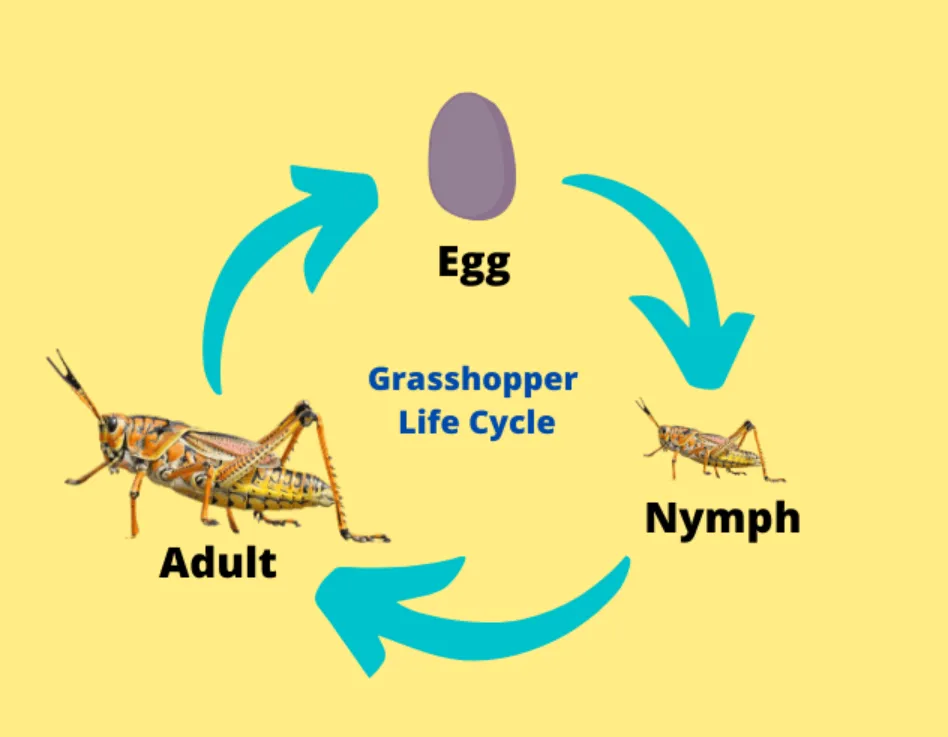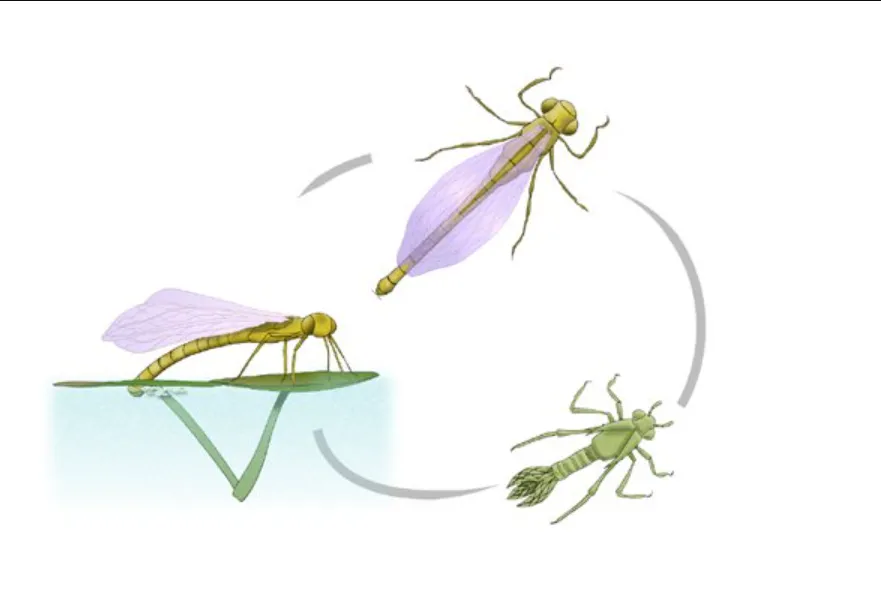
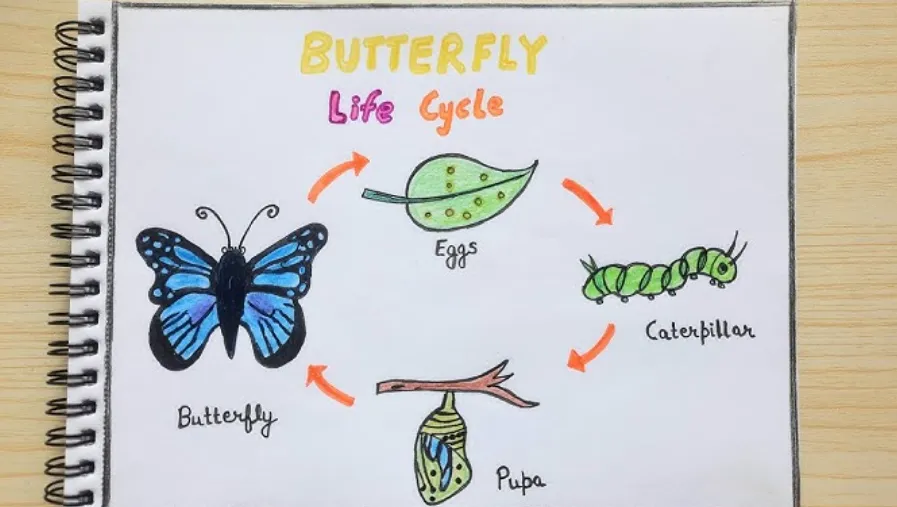
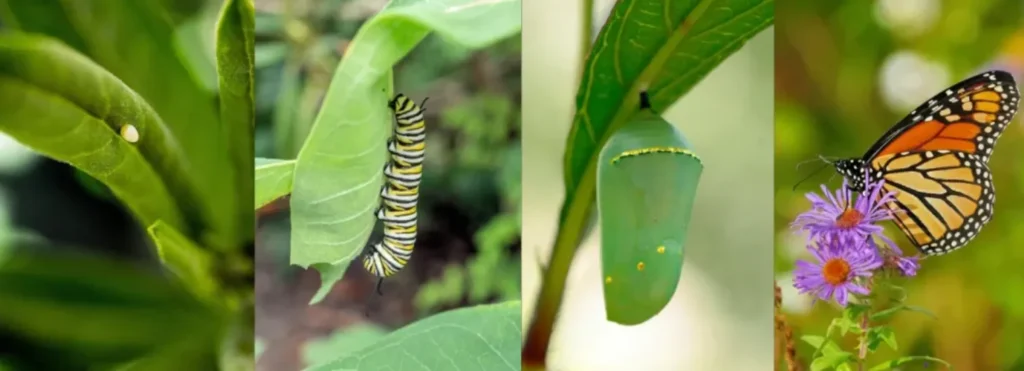
The butterfly life cycle for kids is one of the most fascinating and easy-to-understand examples of nature’s magic. From a tiny egg to a colorful flying insect, butterflies go through an incredible transformation called metamorphosis. This process includes four main stages: egg, larva (caterpillar), pupa (chrysalis), and adult butterfly.
Children love learning about butterflies because their life cycle is simple, visual, and full of wonder. It also helps kids understand how living things grow and change over time. Whether you’re studying in school or just curious, the butterfly life cycle offers a fun and educational experience.
Quick Answers (Most Common Questions)
1. What are the stages of a butterfly’s life cycle?
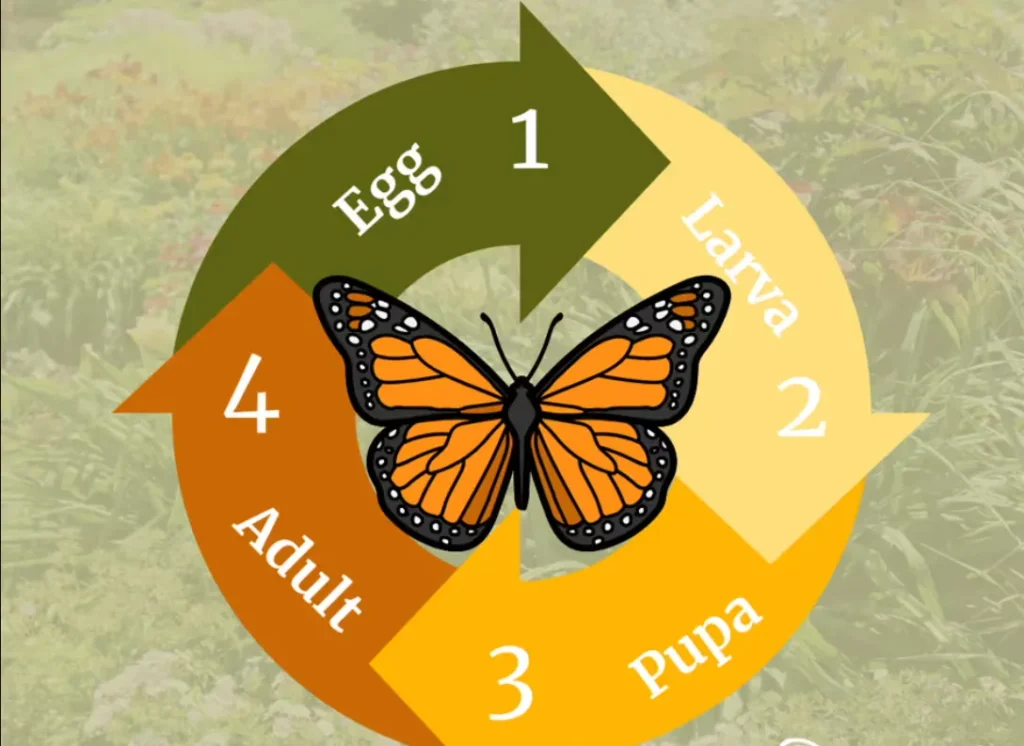
The four stages are egg, caterpillar (larva), chrysalis (pupa), and adult butterfly.
2. How long does a butterfly’s life cycle take?
It usually takes about 3 to 6 weeks, depending on the species, such as the monarch butterfly.
3. Why is the butterfly life cycle important?
It teaches kids about growth, transformation, and the balance of nature.
Quick Life Cycle Table
| Stage | Name | Description | Duration |
| 1 | Egg | Tiny eggs are laid on leaves | 3–7 days |
| 2 | Larva (Caterpillar) | Eats leaves and grows fast | 1–2 weeks |
| 3 | Pupa (Chrysalis) | Transformation stage | 1–2 weeks |
| 4 | Adult Butterfly | Fully grown, flies and reproduces | 2–4 weeks |
The History Of Their Scientific Naming
The scientific classification of butterflies has a rich and interesting history. Scientists studied butterflies for centuries to understand their structure, behavior, and life cycle.
- Butterflies belong to the order Lepidoptera, which means “scaly wings.”
- This name comes from Greek words lepido (scale) and ptera (wings).
- Early scientists, such as Carl Linnaeus, classified butterflies in the 18th century.
- He introduced the system of naming species using two names (binomial nomenclature).
- For example, the monarch butterfly life cycle belongs to Danaus plexippus.
- Scientists grouped butterflies based on wing patterns, body shape, and life cycle stages.
Over time, research has improved with modern technology. Today, scientists use DNA analysis to understand butterfly evolution and classification better.
Their Evolution And Their Origin
Butterflies evolved from moth-like ancestors millions of years ago. Fossil evidence shows that early Lepidoptera appeared around 200 million years ago during the Jurassic period.
Initially, these insects were mostly nocturnal like moths. Over time, some species adapted to daytime activity, becoming what we now call butterflies.
Butterflies developed bright colors to attract mates and warn predators. Their wings evolved with tiny scales that reflect light, creating beautiful patterns. These patterns also help them camouflage or scare away predators.
The co-evolution of butterflies and flowering plants played a huge role in their survival. As plants evolved to produce nectar, butterflies developed long proboscises to drink it. This mutual relationship helped both species thrive.
Different types of butterflies, such as the painted lady butterfly, illustrate how species adapt to various environments worldwide. Today, butterflies are found on every continent except Antarctica.
Their Main Food and Its Collection Process
Butterflies have different diets depending on their stage of life.
Caterpillar (Larva) Diet
- Caterpillars mainly eat leaves.
- They prefer specific plants called host plants.
- For example, monarch caterpillars eat milkweed.
- They eat constantly to grow quickly.
Adult Butterfly Diet
- Adult butterflies drink nectar from flowers.
- Nectar provides energy for flying and reproduction.
- They also feed on fruit juices, tree sap, and soil minerals.
Food Collection Process
- Butterflies use a long, tube-like tongue called a proboscis.
- The proboscis works like a straw to suck nectar.
- They land on flowers and carefully extract nectar.
- Bright colors of flowers attract butterflies.
This feeding behavior helps pollinate plants, making butterflies important for ecosystems.
Their Life Cycle and Ability to Survive in Nature
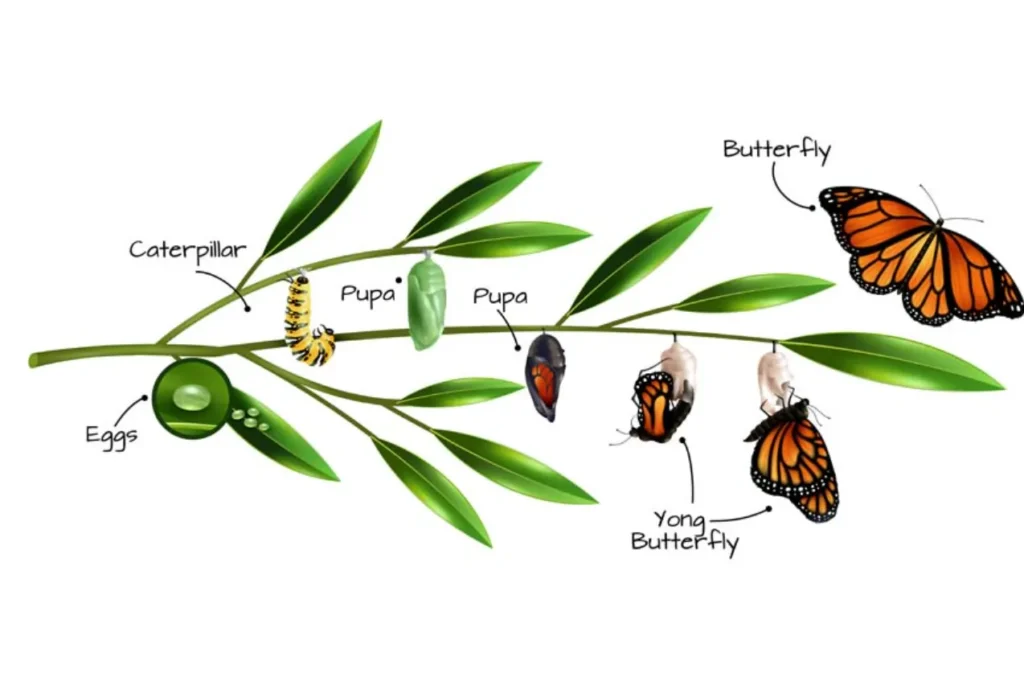
H3: Egg Stage – The Beginning
Butterflies lay eggs on leaves to ensure food for the caterpillar.
The eggs are tiny and often hidden to avoid predators.
H3: Larva Stage – Rapid Growth
The caterpillar eats continuously and sheds its skin several times.
This stage is crucial for storing energy.
H3: Pupa Stage – Transformation
Inside the chrysalis, the caterpillar transforms into a butterfly.
This stage is quiet but very important.
H3: Adult Stage – Reproduction and Flight
The adult butterfly emerges, dries its wings, and begins flying.
Its main goal is to reproduce and continue the cycle.
Butterflies survive by using camouflage, mimicry, and fast reproduction cycles.
Important Things That You Need To Know
Understanding the butterfly life cycle for kids becomes easier when we explore important related concepts. Many learners also encounter terms such as butterfly life cycle diagram, monarch butterfly life cycle, and stages of a butterfly life cycle in worksheets and school lessons.
A butterfly life cycle diagram is a visual tool that helps kids understand each stage clearly. It usually shows arrows connecting egg → caterpillar → chrysalis → butterfly. This visual learning method improves memory and makes the topic more engaging.
The monarch butterfly life cycle is one of the most studied examples. Monarchs are famous for their long migrations across multiple countries. Their life cycle is similar to that of other butterflies, but their behavior is unique, especially their reliance on milkweed plants.
Similarly, the painted lady butterfly’s life cycle shows how it adapts to different climates. Painted lady butterflies can travel long distances and survive in many environments.
Students often use a butterfly life cycle worksheet to practice labeling stages and understanding transformation. These worksheets are helpful for school projects and exams.
Learning about the stages of the butterfly life cycle not only builds scientific knowledge but also teaches patience and curiosity. It shows how even small creatures go through big changes.
Their Reproductive Process and Raising Their Children
Butterflies reproduce through a simple yet effective process.
- Male butterflies attract females using colors and scents.
- After mating, the female lays eggs on suitable plants.
- She carefully chooses plants that caterpillars can eat.
- This ensures the survival of the next generation.
Egg Protection
- Eggs are often laid under leaves to hide from predators.
- Some species lay hundreds of eggs to increase survival chances.
Parental Care
- Butterflies do not care for their young after laying eggs.
- The caterpillar must survive on its own.
Growth Independence
- Caterpillars hatch and immediately start eating.
- They grow independently without parental help.
This process ensures that butterflies can reproduce quickly and maintain their population.
Importance of Them in this Ecosystem
H3: Pollination Role
Butterflies help pollinate flowers by transferring pollen.
This supports plant reproduction.
H3: Food Chain Contribution
They serve as food for birds, frogs, and other animals.
This keeps the ecosystem balanced.
H3: Environmental Indicators
Butterflies indicate a healthy environment.
A decline in butterflies signals ecological problems.
H3: Biodiversity Support
They help maintain plant diversity and ecosystem health.
What to Do to Protect Them in Nature and Save the System for the Future
- Plant butterfly-friendly flowers like milkweed and nectar plants
- Avoid using harmful pesticides in gardens
- Create safe habitats with water and shelter
- Support conservation programs
- Educate children about the importance of butterflies
- Protect forests and natural habitats
- Reduce pollution and climate impact
- Encourage organic farming practices
Frequently Asked Questions (FAQs)
1. What is the butterfly life cycle for kids in simple words?
It is the process of how a butterfly grows from an egg to an adult.
2. How many stages are in the butterfly life cycle?
There are four stages.
3. What is a caterpillar?
It is the larva stage of a butterfly.
4. What happens inside a chrysalis?
The caterpillar transforms into a butterfly.
5. How long does each stage last?
It varies, but usually takes a few weeks in total.
6. Why do butterflies lay eggs on leaves?
So caterpillars have food when they hatch.
7. What do butterflies eat?
They mainly drink nectar from flowers.
8. Why are butterflies important?
They help pollinate plants and support ecosystems.
Conclusion
The butterfly life cycle for kids is a beautiful example of nature’s transformation. From a tiny egg to a colorful butterfly, each stage plays an important role in growth and survival. This life cycle teaches valuable lessons about change, patience, and adaptation.
By understanding butterflies, children develop curiosity and respect for nature. They also learn how small creatures contribute to a larger ecosystem. Protecting butterflies ensures a healthy environment for future generations.
Encouraging kids to observe butterflies in gardens or parks can make learning even more exciting. With the right knowledge and care, we can all help preserve these amazing creatures and keep their magical journey alive.
Also Read: life cycle of the chicken