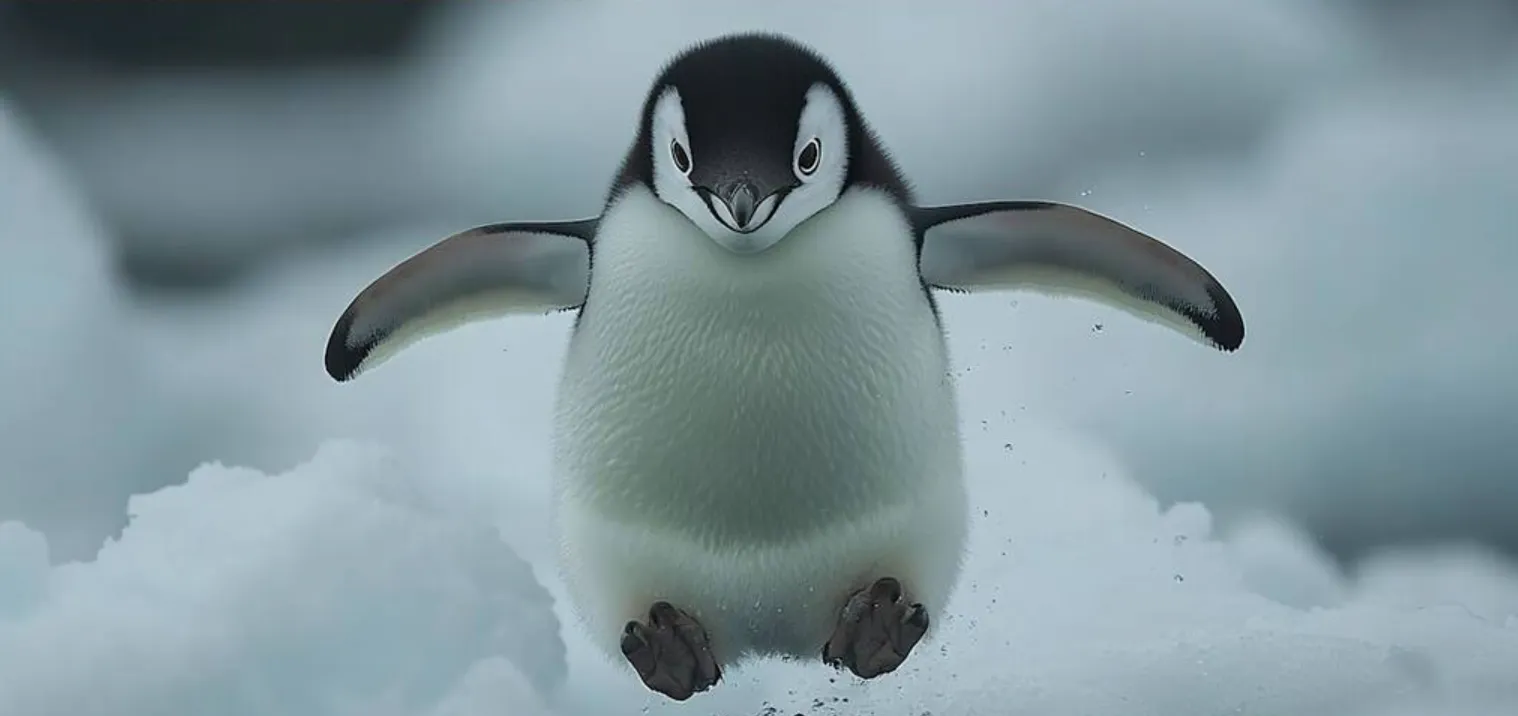
Penguins are fascinating, flightless birds that inhabit the Southern Hemisphere, with most species found in Antarctica. Their life cycle, from egg to adult, demonstrates remarkable adaptation to extreme environments. Understanding their life cycle provides insights into their survival strategies, evolution, and ecological importance.
Quick Answers – Most Common Questions:
- How long do penguins live? – Most penguin species live between 15 and 20 years in the wild, though some may reach over 25 years under ideal conditions.
- How many eggs do penguins lay? – Penguins usually lay one to two eggs per breeding season, depending on the species, with both parents involved in incubation.
- Where do penguins spend most of their life? – Penguins spend most of their life in the water hunting for fish, krill, and squid, returning to land mainly for breeding and molting.
Penguins are not only iconic creatures of the polar regions but also play a key role in marine ecosystems. Their life cycle and survival strategies offer a window into evolutionary adaptation and the delicate balance of nature.
Quick Life Cycle Table
| Stage | Description | Duration | Key Features |
| Egg | Laid by a female penguin, incubated by parents | 30–65 days | Both parents share incubation duties; eggs are kept warm in harsh conditions |
| Chick | Newly hatched penguin, dependent on parents | 6–12 weeks | Fed regurgitated food; covered with soft down feathers |
| Juvenile | A young penguin is starting to swim and hunt | 6–12 months | Develops waterproof feathers; learns to hunt independently |
| Adult | Fully grown penguin capable of reproduction | 3–7 years (species-dependent) | Breeding maturity; participates in seasonal migration and nesting |
| Senior | Older adult penguin | 15–25 years | Slower movement; may rely on colonies for protection |
The History of Their Scientific Naming
The scientific naming of penguins has evolved over centuries:
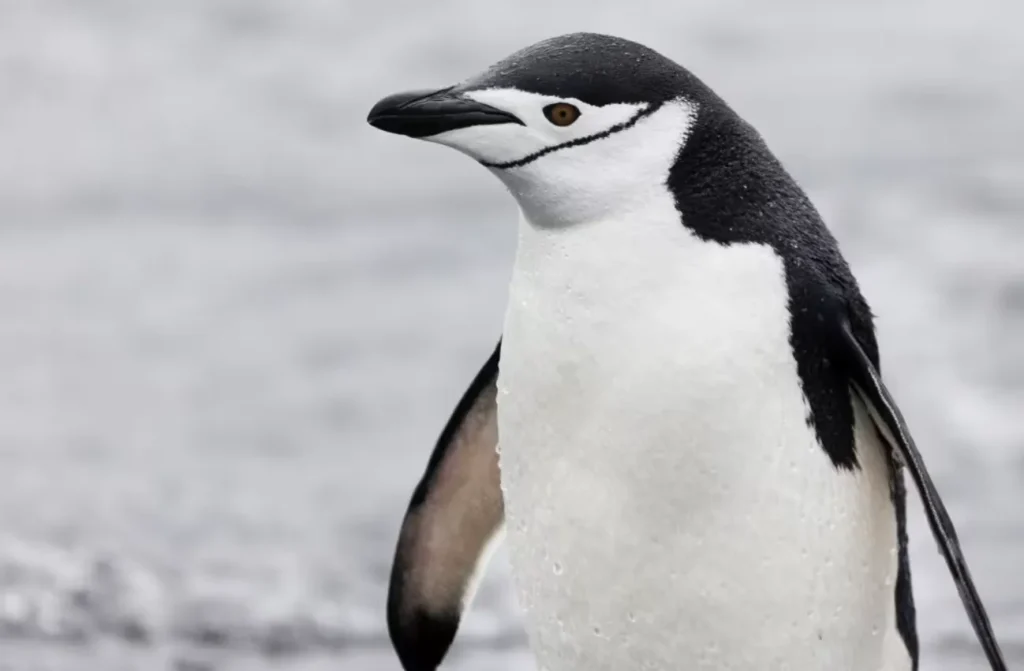
- The term “Penguin” is believed to have originated from the Welsh word pen gwyn, meaning “white head,” which was initially used for the great auk, a bird resembling a penguin.
- Modern penguins belong to the family Spheniscidae, derived from the Greek sphen, meaning “wedge,” which refers to their streamlined body shape, ideal for swimming.
- Species are classified based on physical traits, habitat, and behavior, with the Emperor penguin (Aptenodytes forsteri) and the King penguin (Aptenodytes patagonicus).
- Early explorers, such as James Cook and Charles Darwin, contributed to documenting and describing penguin species during Antarctic expeditions.
- Over time, DNA analysis refined penguin taxonomy, highlighting evolutionary relationships and continental lineage splits.
Understanding their scientific naming helps researchers track evolutionary changes and biodiversity across species.
Their Evolution and Their Origin
Penguins evolved approximately 60 million years ago, shortly after the extinction of dinosaurs. Fossil records suggest early penguins were larger than modern species, some standing over 1.5 meters tall.
Penguins’ ancestors were likely flying seabirds that gradually adapted to aquatic life. Natural selection favored traits such as:
- Streamlined bodies for efficient swimming
- Flipper-like wings replace flight with underwater propulsion
- Dense bones to reduce buoyancy, allowing deep dives
Penguins are thought to have originated in the Southern Hemisphere, primarily around Antarctica, South America, Africa, and New Zealand. Climate shifts and continental drift influenced their distribution, with some species adapting to temperate climates, such as the Galapagos penguin.
Their evolution is marked by specialization for survival in cold waters, including:
- Insulating blubber and dense feathers for thermal protection
- Highly efficient oxygen storage for extended diving
- Social behaviors, such as colonial nesting, help them withstand harsh winters
The combination of evolutionary adaptations has made penguins exceptional divers and hunters, capable of thriving in extreme marine environments while maintaining a robust breeding strategy on land.
Their Main Food and Its Collection Process
Penguins are carnivorous birds that feed primarily on fish, krill, and squid. Their diet depends on species and habitat:
- Fish: Anchovies, sardines, and small mackerel are caught in schools, providing a high-protein source.
- Krill: A vital energy source, especially for Antarctic species, rich in omega-3 fatty acids.
- Squid: Larger penguins, such as Emperor and King penguins, occasionally hunt squid by using their speed and underwater precision.
Food Collection Process:
- Penguins dive into the water and use wing-like flippers to propel themselves efficiently.
- Their sharp beaks and fast reflexes help catch multiple prey items in a single dive.
- Penguins often hunt in groups, coordinating movements to corral fish or krill into tight clusters.
- After catching prey, they swallow it whole, storing excess in the stomach for later regurgitation to feed chicks.
- Some species can dive to depths of up to 500 meters and remain submerged for 20 minutes or more, showcasing remarkable adaptations for deep-sea hunting.
Their feeding behavior directly influences oceanic food chains, helping control fish populations and maintain ecological balance.
Their Life Cycle and Ability to Survive in Nature
Egg Stage
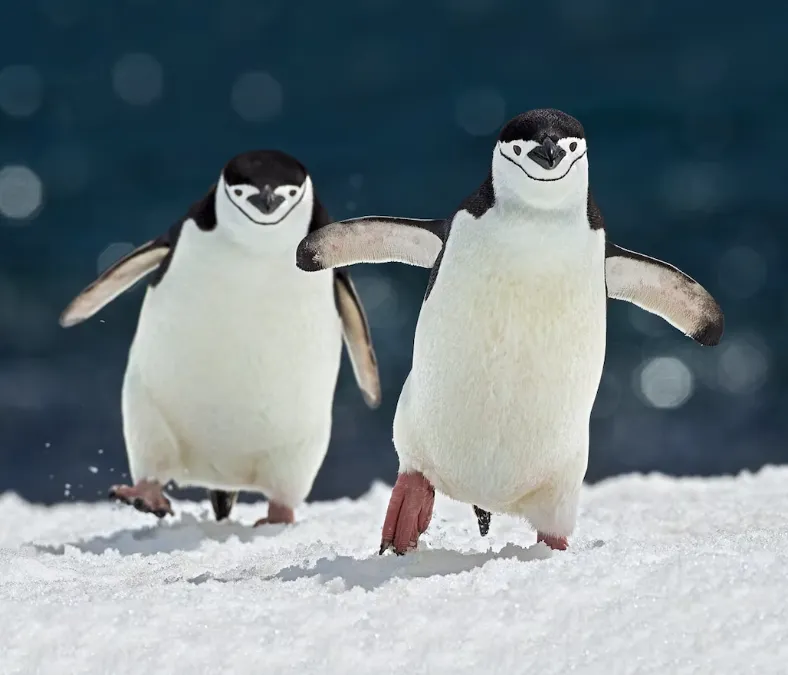
Penguins begin life as eggs, incubated in extreme cold. Both parents take turns keeping eggs warm, relying on their fat layers and feathers for protection.
Chick Stage
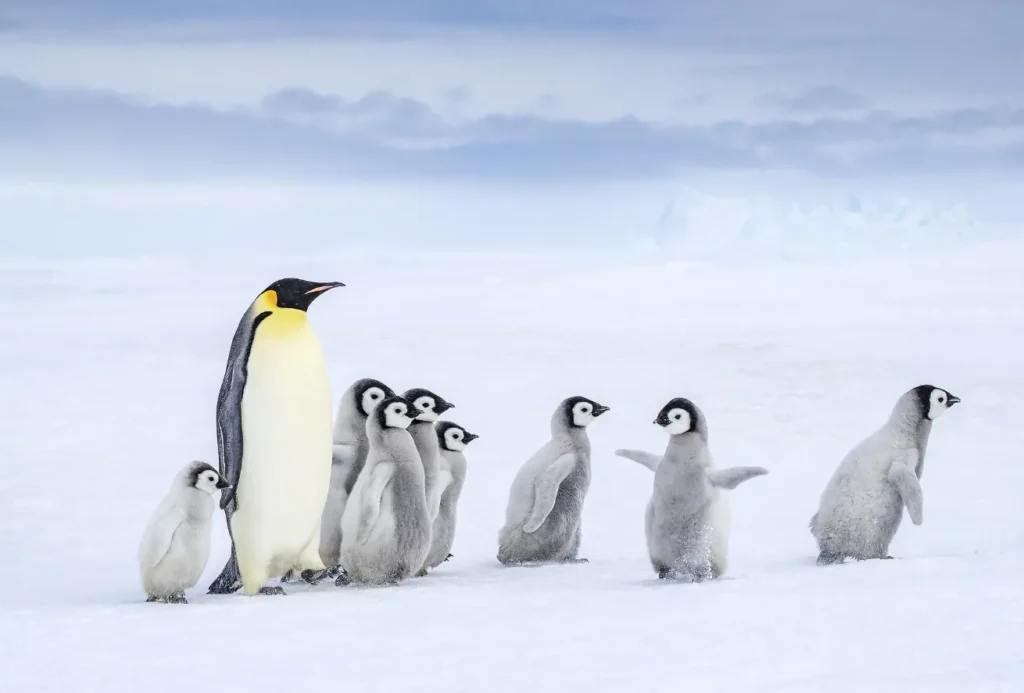
Hatched chicks are helpless and rely entirely on their parents. They are fed regurgitated food and protected within colonies called rookeries, which provide safety from predators.
Juvenile Stage
Young penguins develop waterproof feathers and begin practicing hunting. They learn survival skills through trial and error in open waters.
Adult Stage
Adults are expert swimmers and hunters. They return seasonally to breeding grounds, displaying strong social bonds.
Survival Strategies
- Thermal insulation from feathers and fat layers
- Social cooperation in colonies for protection and warmth
- Efficient hunting and energy conservation strategies
This life cycle ensures that penguins not only survive extreme climates but thrive in competitive ecosystems, balancing reproduction and resource acquisition.
Their Reproductive Process and Raising Their Children
- Mating: Penguins are monogamous for a season, often reuniting with the same partner.
- Nest Building: Some species, like Adelie penguins, build stone nests; Emperor penguins incubate eggs on their feet under a brood pouch.
- Egg Laying: Usually 1–2 eggs, incubated alternately by both parents.
- Hatching: Chicks emerge covered with soft down feathers, requiring warmth and constant feeding.
- Feeding Chicks: Parents regurgitate partially digested food; this continues until chicks can hunt independently.
- Fledgling: Juveniles develop waterproof feathers and gradually learn swimming, diving, and hunting skills.
This reproductive strategy balances energy investment, survival rates, and colony stability. Parental care is intensive, with both adults working to ensure chicks survive harsh conditions.
Importance of Them in This Ecosystem
Ecological Role
- Penguins regulate fish and krill populations, maintaining marine balance.
- Their waste (guano) enriches soil, aiding plant growth in coastal ecosystems.
Predatory and Prey Dynamics
- Serve as prey for seals, orcas, and large birds, linking marine food webs.
- Act as indicators of ocean health, signaling shifts in climate and marine biodiversity.
Social and Cultural Importance
- Penguins contribute to ecotourism by raising awareness of conservation.
- Their survival highlights adaptation strategies and provides insights into evolutionary biology.
Penguins play an essential role in maintaining ecosystem stability, influencing both marine and terrestrial environments while serving as a symbol of environmental conservation.
Important Things That You Need To Know
Penguins, flightless seabirds, are not only a charismatic symbol of the Southern Hemisphere but also crucial indicators of environmental health. Key points include:
- Adaptation: Penguins evolved flippers for swimming and blubber for insulation, allowing them to survive harsh polar climates.
- Diet: Their main food includes fish, krill, and squid, caught using precision diving techniques.
- Predation: Penguins face natural predators like seals, sharks, and skuas, making colonies a critical survival strategy.
- Reproduction: They lay 1–2 eggs, with both parents providing care until fledging.
- Conservation: Climate change, overfishing, and habitat loss threaten penguin populations, emphasizing the need for protection initiatives.
By understanding penguin behavior, ecology, and diet, we can better protect them and maintain the balance of Southern Hemisphere ecosystems.
What to Do to Protect Them in Nature and Save the System for the Future
- Enforce marine protected areas to preserve food sources.
- Reduce pollution and oil spills affecting their habitat.
- Implement sustainable fishing practices to prevent prey depletion.
- Support climate change initiatives to maintain polar ecosystems.
- Promote ecotourism responsibly, minimizing human disturbance.
- Fund research and monitoring programs for penguin populations.
- Educate the public on penguin conservation and the ecological importance of seabirds.
- Encourage global collaboration to address threats affecting penguins across continents.
Frequently Asked Questions (FAQs)
- What is the average lifespan of a penguin? – Most penguins live 15–20 years, depending on species.
- How do penguins survive in extreme cold? – Thick blubber, dense feathers, and colony cooperation provide insulation.
- What do penguins eat? – Mainly fish, krill, and squid, hunted in water using flippers.
- Where do penguins lay eggs? – Eggs are laid on land or ice, depending on species, often in nests or on parents’ feet.
- Can penguins swim long distances? – Yes, some species swim hundreds of kilometers for feeding and migration.
- Why are penguins important to ecosystems? – They regulate prey populations, fertilize soil, and serve as climate indicators.
- How many species of penguins exist? – There are 18 recognized penguin species worldwide.
- Are penguins endangered? – Some species, like the Galapagos and Yellow-eyed penguins, face threats from climate change and human activity.
Conclusion
Penguins showcase an extraordinary life cycle, from eggs to adults thriving in some of the harshest environments on Earth. Their evolution, feeding habits, and reproductive strategies reveal exceptional adaptation skills, enabling survival in extreme climates. Penguins also play a vital ecological role, regulating marine populations, enriching soil, and serving as indicators of climate change.
Protecting them ensures the health of entire ecosystems, highlighting the importance of conservation initiatives and sustainable human practices. By understanding penguins’ life cycle and ecological significance, we can appreciate their role in maintaining biodiversity and the delicate balance of marine and coastal environments. Safeguarding these remarkable birds ensures a future in which they continue to flourish and inspire generations.
Also Read: what do fleas look like