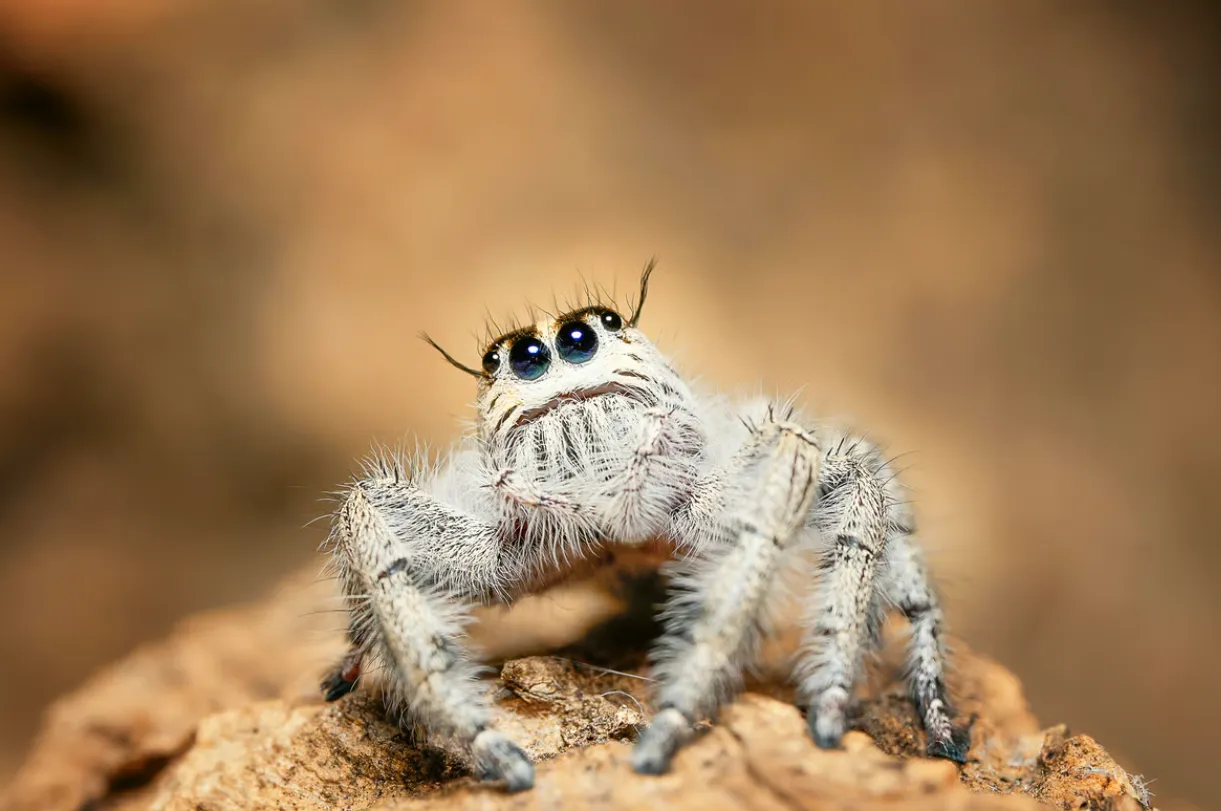
The life cycle of a spider is one of the most fascinating natural processes in the arachnid world. Spiders are not insects; they are arachnids, meaning they have eight legs, two main body sections, no wings, and usually silk-producing organs called spinnerets. According to the latest World Spider Catalog, there are 53,878 recognized spider species, grouped into 138 families and 4,511 genera, underscoring the diversity of spiders worldwide.
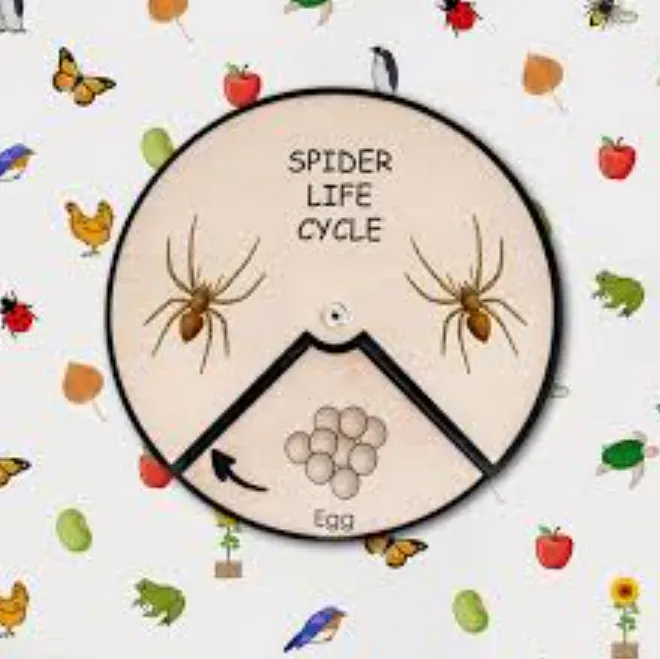
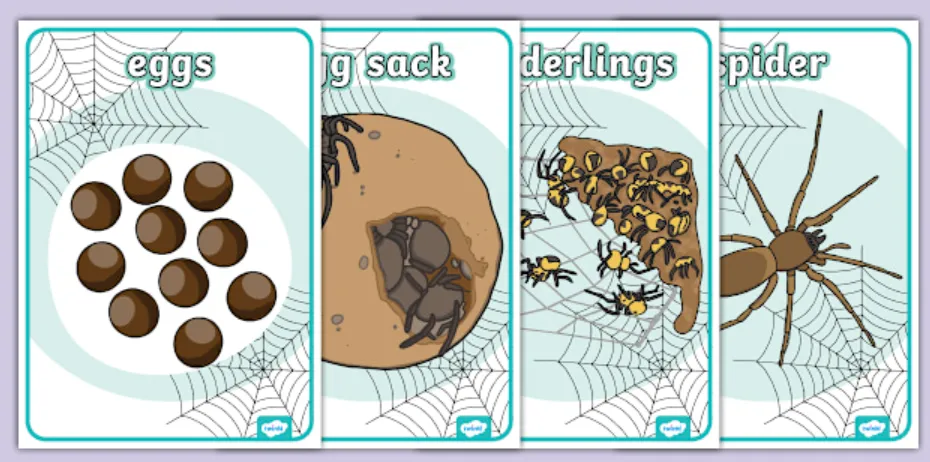
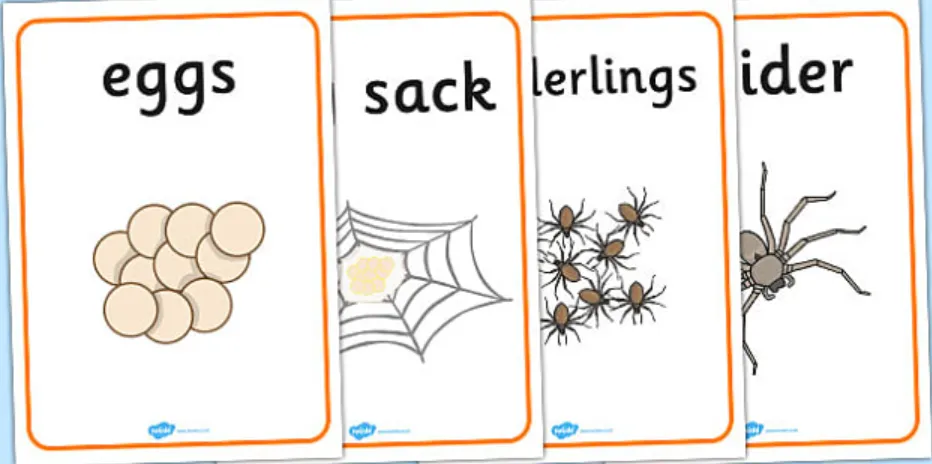
Most spiders follow a simple but highly adaptive life pattern: egg, spiderling, juvenile growth through molting, and adult reproduction. In many scientific explanations, the spider life cycle is summarized as three broad stages: egg, spiderling, and adult. To make learning easier, this article explains it in four practical stages.
Spiders live in forests, grasslands, deserts, wetlands, gardens, homes, caves, and farms. Some build webs to trap prey, while others hunt actively. Their life cycle depends on species, temperature, food availability, habitat safety, and predator pressure.
Quick Answers: Most Common Questions
Q: What are the main stages in the life cycle of a spider?
A: The main stages are egg, hatching/spiderling emergence, juvenile growth through molts, and adult spider.
Q: How long does a spider live?
A: Many common spiders live around one to two years, but some species live only a few months, while long-lived groups such as trapdoor spiders and mygalomorph spiders may live for many years. Britannica notes that some mygalomorph females may live up to 25 years.
Q: Do baby spiders stay with their mother?
A: Some do. For example, wolf spiderlings climb onto their mother’s back and stay there for a short period before dispersing.
Quick Life Cycle Table
| Stage | What Happens | Approximate Time | Key Feature |
| Egg | The female lays eggs inside a silk egg sac | Days to weeks | Protected by silk layers |
| Hatching | Spiderlings hatch but may remain inside the sac briefly | Several days | The first molt may happen inside the sac |
| Spiderling/Juvenile | Young spiders disperse, feed, and molt repeatedly | Weeks to months | Growth happens by molting |
| Adult Spider | Mature spider mates and reproduces | Months to years | Females often live longer than males |
The History of Their Scientific Naming, Evolution, and Origin
Scientific Naming of Spiders
Spiders belong to the order Araneae, within the class Arachnida. The word Araneae is derived from the Latin word for spider, and scientific naming helps distinguish true spiders from insects, mites, scorpions, and other arthropods.
A spider’s scientific name usually consists of two parts: the genus and the species. For example, a black widow spider belongs to the genus Latrodectus, while many wolf spiders belong to the family Lycosidae. This naming system allows scientists to identify species accurately across countries and languages.
Evolution and Ancient Origin
Spiders are ancient animals. Fossil evidence shows that spider-like arachnids with segmented abdomens and spinnerets existed around 345 million years ago, during the early Carboniferous Period.
Over millions of years, spiders evolved silk production, venom use, web-building, burrowing, jumping, camouflage, and specialized hunting techniques. These adaptations helped them survive in nearly every land habitat except Antarctica.
Why Their Evolution Matters
The evolution of spiders explains why they are so successful today. Their silk, venom, sensory hairs, molting system, and diverse hunting methods make them efficient predators and important parts of natural ecosystems.
Their Reproductive Process, Giving Birth, And Rising Their Children
Spiders Lay Eggs, They Do Not Give Live Birth
Most spiders reproduce by laying eggs, not by giving live birth. After mating, the female produces a silk structure called an egg sac. This sac protects the eggs from drying out, predators, parasites, and environmental stress.
Female spiders may create one egg sac or several egg sacs. Depending on the species, a single sac can contain only a few eggs or hundreds. Britannica notes that female spiders may produce an egg sac containing several to a thousand eggs, or several sacs with fewer eggs over time.
Mating and Male Behavior
Male spiders usually mature earlier than females and search for mates. In many species, males use carefully timed courtship signals, such as web vibrations, leg tapping, body movements, or chemical cues. These signals help the female recognize the male as a mate rather than prey.
After mating, males often die sooner than females. Female spiders usually invest more energy in egg production, egg sac construction, and, sometimes, in guarding the young.
Egg Sac Protection
The egg sac is one of the most important parts of the spider’s life cycle. Some females hide egg sacs in leaves, bark, soil, burrows, corners, or webs. Others guard them closely.
The Australian Museum explains that some spiders guard their egg sacs, while wolf spiders carry the sac from their spinnerets and later carry spiderlings on their backs until they molt and disperse.
Raising the Young
Many spiderlings are independent soon after leaving the egg sac. However, some spider mothers show temporary care. Wolf spiders, huntsman spiders, and some nursery-web spiders are known for protective behavior.
Stages of the Life Cycle of a Spider
Stage 1: Egg Stage
The egg stage begins when the female spider deposits eggs into a silk-lined egg sac. The sac may be round, flat, oval, or disk-shaped, depending on the species.
Silk is more than a wrapper. It acts as a protective shield against moisture loss, small predators, fungal attack, and physical damage. Some egg sacs are hidden in vegetation, under rocks, inside burrows, or within webs.
The number of eggs varies widely. Small spiders may lay fewer eggs, while larger or highly productive species may lay hundreds. Temperature and humidity strongly affect hatching success.
Stage 2: Hatching and Early Spiderling Stage
When development is complete, tiny spiderlings hatch. However, they may not leave the egg sac immediately. The Australian Museum notes that spiderlings can remain inside the egg sac until after their first molt, living partly on leftover yolk reserves before emerging.
At this stage, spiderlings look like miniature adults, but they are softer, smaller, and more vulnerable. They cannot always hunt efficiently at first. Many stay clustered together for a short time before spreading out.
Stage 3: Juvenile Growth and Molting
Spiders grow by molting, which means shedding the old outer skeleton and forming a larger one. This is necessary because spiders have an external skeleton rather than internal bones.
Each growth phase between molts is called an instar. A spider may molt several times before reaching adulthood. Food supply, temperature, species type, and habitat quality decide how fast this stage progresses.
During this period, spiderlings begin hunting, building small webs, hiding from predators, and competing with siblings. Some disperse by walking, while others use silk to travel.
Stage 4: Adult Spider and Reproduction
The adult stage begins when the spider reaches sexual maturity. Adult males usually search actively for females, while many females remain near webs, burrows, or hunting territories.
Adult spiders focus on feeding, survival, mating, and reproduction. After mating, females produce egg sacs, and the life cycle begins again.
In many species, females live longer than males. Some males die shortly after mating, while females may continue producing egg sacs over a season or several years.
Important Things That You Need To Know
When writing or searching about the life cycle of a spider, it is important to understand search intent. Some LSI keywords are directly related to spiders, while others are only connected by the word “spider.”
The keyword spider is the main biological term. It connects to topics such as spider anatomy, web-building, venom, egg sacs, spiderlings, and adult reproduction. This is the most relevant LSI keyword for a science-based article.
The phrase “spider bite” is also relevant, but it belongs more to safety and health information than to the life cycle itself. Most spider bites are mild, and spiders usually bite only when disturbed. However, medically important spiders, such as the black widow spider, can cause serious symptoms in some cases. CDC/NIOSH notes that symptoms of a spider bite may include pain, rash, muscle cramping, sweating, fever, nausea, and, rarely, severe reactions.
The phrase “black widow spider” is useful because black widows are among the best-known spider groups. They also show the typical stages of spider development: eggs, spiderlings, molts, and adults.
However, Spider-Man: No Way Home and the Spider-Man hoodie are entertainment and fashion search terms. They are not biologically related to the spider life cycle. For SEO, these terms should not be forced into the science sections. They can be mentioned only in a short intent note like this to avoid keyword stuffing and keep the article natural.
In summary, use spider, spider bite, and black widow spider carefully. Avoid overusing unrelated terms such as Spider-Man: No Way Home and spider hoodie in educational biology content.
Their main diet, food sources, and collection process are explained
Main Diet of Spiders
Most spiders are predators. Their main diet consists of insects and other small arthropods, such as flies, mosquitoes, moths, beetles, grasshoppers, crickets, ants, and other small bugs. Some larger spiders may eat small vertebrates, but this is not common for ordinary house or garden spiders.
Spiders help control insect populations naturally. For example, black house spiders commonly feed on insects such as flies and mosquitoes inside homes.
Web-Building Collection Method
Web-building spiders use silk to catch prey. Orb-weavers create circular webs, cobweb spiders build messy three-dimensional webs, and funnel-web-like structures help some spiders detect vibrations.
When an insect touches the web, the spider senses movement through silk vibrations. It then rushes toward the prey, bites it, wraps it, or consumes it after digestive enzymes soften the body.
Active Hunting Method
Not all spiders use webs to catch food. Wolf spiders, jumping spiders, and huntsman spiders hunt actively. Britannica explains that many hunting spiders locate prey by random searching or vibration detection, while wolf spiders and jumping spiders have strong eyesight. Jumping spiders stalk prey and pounce when close enough.
Ambush and Camouflage Method
Some spiders wait silently. Crab spiders may sit on flowers and grab insects that come for nectar. Their body color often helps them blend into petals.
This feeding strategy saves energy and works well in habitats where pollinating insects visit regularly.
Why Diet Affects the Life Cycle
Food availability controls how quickly spiderlings grow. Well-fed spiderlings molt faster, reach adulthood sooner, and have better survival chances. Poor food supply can delay development, reduce egg production, or shorten life.
How long does the life cycle of a Spider Live
The lifespan of a spider depends heavily on species, sex, climate, food, predators, and habitat stability. There is no single lifespan for all spiders because the spider world is extremely diverse.
- Many small house and garden spiders live for about one year.
- These spiders often hatch, grow, reproduce, and die within a seasonal cycle. Cold weather, predators, food scarcity, and human disturbance may shorten their lives.
- Some common spiders live for 1 to 2 years.
- Britannica notes that females of many species that care for young may live for one or, at most, two years.
- Black house spiders may live about two years.
- Health Victoria reports that black house spiders mature in summer and live for about two years.
- Wolf spiders may live up to about two years.
- Wolf spiders carry egg sacs and spiderlings, and some species live up to two years depending on environmental conditions.
- Brown recluse females may live longer under good conditions.
- Oklahoma State University notes that brown recluse spiders may reach maturity in 10 to 12 months under adequate food and mild temperatures; females often live 1 to 2 years, but some have lived 4 to 5 years.
- Trapdoor spiders can be long-lived.
- Some trapdoor spiders live 5 to 20 years and may take several years to mature.
- Large primitive spiders may live much longer.
- Britannica reports that female mygalomorph spiders may live up to 25 years.
- Males usually live shorter lives than females.
- In many species, males stop feeding regularly after maturity and spend their energy searching for females. This makes them more exposed to predators and environmental stress.
- Captive spiders may live longer than wild spiders.
- In captivity, some spiders receive steady food, stable temperature, and protection from predators. This can extend lifespan, especially for tarantulas and other long-lived groups.
Life Cycle of a Spider Lifespan in the Wild vs. in Captivity
Lifespan in the Wild
In the wild, a spider faces many risks. Ants, wasps, birds, mites, or other spiders may eat eggs. Spiderlings may die from starvation, dehydration, cannibalism, parasites, or weather changes.
Even adults face threats from birds, lizards, frogs, wasps, centipedes, mammals, and human activity. Because of these pressures, many wild spiders do not reach their maximum possible lifespan.
Wild spiders must also find enough prey. If insects are scarce, spiderlings grow slowly, and adult females may produce fewer eggs.
Lifespan in Captivity
In captivity, spiders may live longer because they are protected from predators and extreme weather. Their keeper may provide proper food, humidity, temperature, and hiding places.
However, captivity only improves lifespan when care is correct. Poor ventilation, wrong humidity, overfeeding, dehydration, stress, or unsafe handling can harm spiders.
Main Difference
The key difference is risk exposure. Wild spiders live naturally but face many dangers. Captive spiders live in controlled spaces but depend entirely on proper care.
For common small spiders, captivity may not make a huge difference. For large species such as tarantulas, proper captive care can significantly extend lifespan.
Importance of the Life Cycle of a Spider in this Ecosystem
Natural Pest Control
Spiders are important natural predators. They reduce populations of flies, mosquitoes, moths, beetles, aphids, and other insects. In gardens and farms, this helps reduce pest pressure without relying only on chemical control.
Recent ecological research also describes spiders as providers of ecosystem services, especially through pest suppression in agricultural and natural systems.
Food for Other Animals
Spiders are predators, but they are also prey. Birds, reptiles, amphibians, small mammals, insects, and wasps feed on spiders. This makes spiders an important part of the food web.
If spider populations drop sharply, some predator species may lose an important food source.
Balance in Insect Populations
Spiders rarely eliminate all prey. Instead, they help maintain balance. This is useful because ecosystems depend on insects for pollination, decomposition, and food webs, but too many pest insects can damage crops and spread disease.
Soil, Garden, and Forest Health
Ground-dwelling spiders hunt in leaf litter, soil cracks, grass, and garden beds. By feeding on small arthropods, they influence the tiny animal communities that support decomposition and nutrient movement.
Indicator of Habitat Quality
A diverse spider community often indicates a healthy habitat with vegetation, prey availability, hiding places, and low chemical disturbance. This makes spiders useful for understanding environmental change.
What to do to protect them in nature and save the system for the future
Protect Natural Habitats
- Keep leaf litter, shrubs, grasses, bark, and natural ground cover where possible.
- Avoid clearing every corner of gardens because spiders need hiding places.
- Preserve forests, wetlands, and grasslands that support spider diversity.
Reduce Unnecessary Pesticide Use
- Use pesticides only when truly needed.
- Choose targeted pest control instead of broad chemical spraying.
- Remember that pesticides can kill beneficial predators like spiders along with pests.
Keep Gardens Spider-Friendly
- Plant native flowers and shrubs to attract insects and support natural food webs.
- Leave small, undisturbed areas in gardens for ground spiders.
- Avoid destroying webs unless they create a direct problem.
Relocate Instead of Killing
- If a harmless spider enters the house, use a cup and paper to move it outside.
- Do not handle dangerous spiders directly.
- Learn to identify medically important spiders in your region.
Educate People About Spider Benefits
- Teach children and adults that most spiders are not aggressive.
- Explain that spiders help control pests naturally.
- Reduce fear by sharing accurate information about a spider’s life cycle, behavior, and ecosystem value.
Fun & Interesting Facts About the Life Cycle of a Spider
- Spiders are not insects. They are arachnids with eight legs.
- All true spiders produce silk, but not all spiders build webs to catch food.
- A baby spider is called a spiderling.
- Some spiderlings travel by ballooning, releasing silk threads that catch air currents and carry them away from the birth site. The Australian Museum notes that some spiderlings may travel from a few metres to a few kilometres this way.
- Wolf spider mothers carry their egg sacs and later carry spiderlings on their backs.
- Spiders grow by molting, not by stretching their skin like mammals.
- A spider’s web can act like a sensory tool. It helps the spider detect prey movement through vibration.
- Some spiders use camouflage to look like leaves, flowers, bark, ants, or bird droppings.
- Jumping spiders have excellent vision and can stalk prey before jumping.
- Female spiders are often larger and longer-lived than males.
- Some spiders may eat other spiders, especially when food is limited.
- The black widow spider is famous for its venom, but it usually bites only when threatened or trapped.
- Spiders are found in almost every land habitat, from deserts to rainforests.
- Spider silk is lightweight, flexible, and strong for its size.
- The spider life cycle is simple in structure but highly diverse in real-life behavior.
Frequently Asked Questions (FAQs)
Q: What is the life cycle of a spider?
A: The life cycle of a spider usually includes egg, spiderling, juvenile growth through molting, and adult reproduction. Some sources summarize it as egg, spiderling, and adult, but adding the juvenile molting stage makes the process easier to understand.
Q: How many eggs does a spider lay?
A: It depends on the species. Some spiders lay only a small number of eggs, while others may lay hundreds. Britannica reports that female spiders may produce one egg sac with several to a thousand eggs, or several egg sacs over time.
Q: Do all spiders build webs?
A: No. Many spiders build webs, but others are active hunters. Wolf spiders, jumping spiders, and huntsman spiders usually hunt prey instead of using webs as traps.
Q: Are spider bites dangerous?
A: Most spider bites are mild or harmless, and other insects or skin conditions actually cause many skin marks blamed on spiders. However, bites from medically important spiders, such as black widows, can cause serious symptoms and require medical attention.
Q: Why are spiders important in nature?
A: Spiders help control insect populations, support food webs, and maintain ecological balance. They are especially useful in gardens and farms because they feed on many pest insects.
Conclusion
The life cycle of a spider is a powerful example of survival, adaptation, and ecological balance. From a tiny egg protected inside a silk sac to a spiderling that molts and grows into an adult predator, every stage has a clear purpose. Spiders may look small and simple, but their role in nature is highly important.
They control insects, support food chains, and help maintain healthy gardens, forests, farms, and homes. Some species live only a short time, while others can survive for many years. Their life cycle also shows why habitat protection, reduced pesticide use, and public education matter.
Understanding spiders helps reduce fear and encourages respect for these valuable arachnids. Whether it is a house spider, wolf spider, jumping spider, or black widow spider, each has a place in the natural system. Protecting spiders means protecting the balance of the ecosystem itself.
Also Read: life cycle of a snake