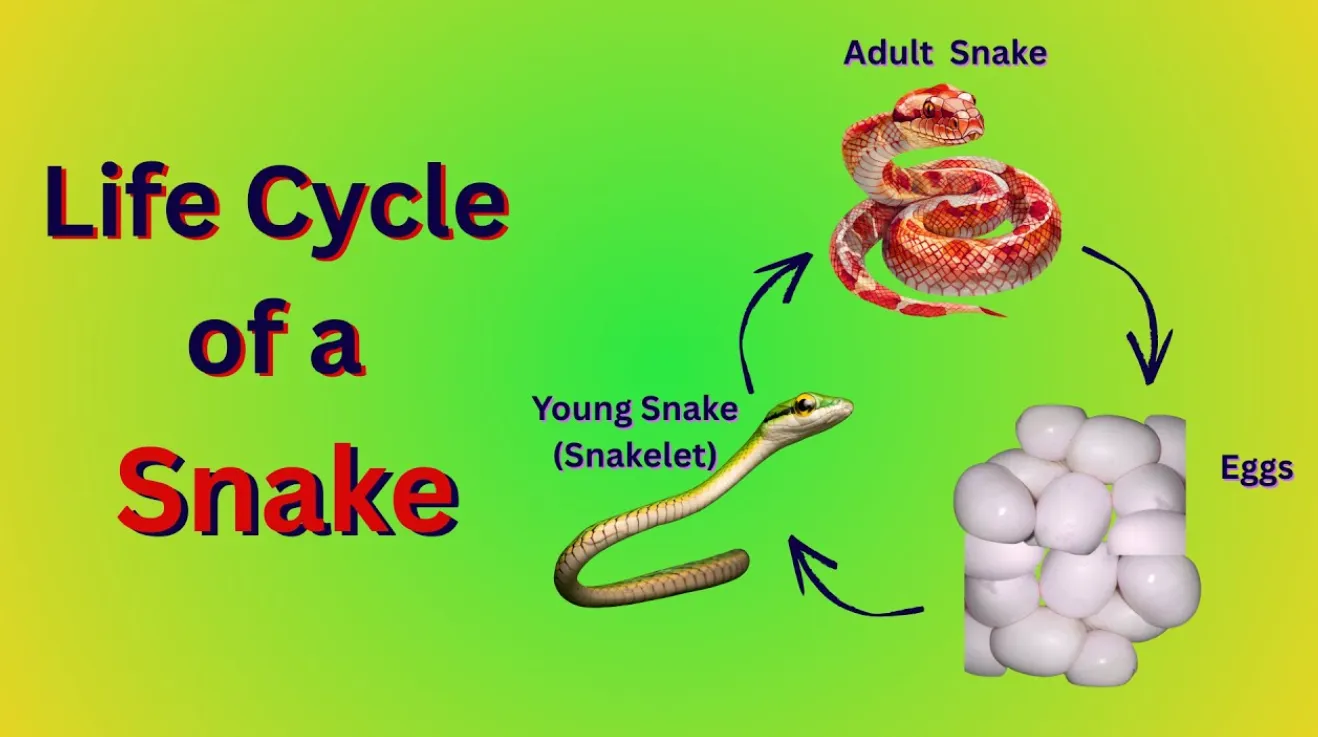
The life cycle of a snake is one of the most interesting processes in the reptile world. A snake begins life either inside an egg or as a live-born baby, depending on the species. After birth or hatching, it grows through several stages: egg or birth stage, hatchling/neonate stage, juvenile stage, and adult stage. Each stage helps the snake develop stronger hunting skills, better movement, and survival behavior.
Snakes belong to the reptile group and are classified under the suborder Serpentes. Modern references describe snakes as limbless reptiles with long bodies, no external ears, and flexible jaws. There are more than 3,400 snake species worldwide, including harmless species, mildly venomous species, and highly venomous species.
Most snakes are solitary animals. They do not form families like mammals. Baby snakes are usually independent from the beginning and must find food, shelter, and safety on their own. Some species, such as pythons, show limited egg protection, but long-term parental care is rare.
Snakes are important predators. They help control populations of rodents, frogs, insects, fish, birds, and other small animals. As a result, the snake plays a significant role in maintaining natural food chains.
Q: What are the main stages in the life cycle of a snake?
A: The main stages are egg or live birth, hatchling or newborn, juvenile, and adult.
Q: Do all snakes lay eggs?
A: No. Many snakes lay eggs, but some species give birth to live young.
Q: Are baby snakes dangerous?
A: Some baby snakes can defend themselves from birth, especially venomous species. However, most snakes avoid humans and bite only when threatened.
Quick Life Cycle Table
| Life Stage | Simple Meaning | Main Features | Survival Need |
| Egg / Live Birth | Beginning of life | A snake develops inside an egg or inside the mother | Warm, safe place |
| Hatchling / Newborn | Baby snake stage | Looks like a small adult snake | Hides from predators |
| Juvenile | Growing stage | Learns to hunt and sheds skin often | Food, shelter, safety |
| Adult | Mature stage | Can reproduce and defend territory | Mate, hunt, survive |
| Old Age | Final stage | Slower movement and weaker hunting | Protection and a stable habitat |
The History of Their Scientific Naming, Evolution, and Origin
Scientific Naming
Snakes are scientifically grouped under the suborder Serpentes, within the order Squamata, the same large reptile order that includes lizards. The word Serpentes comes from Latin roots meaning “creeping” or “crawling,” which describe the snake’s limbless movement.
Different snakes have different scientific names. For example, many rat snake species belong to genera such as Pantherophis or Ptyas, while some king snake species are placed under Lampropeltis. A coral snake may belong to the genus Micrurus or Micruroides, depending on the region.
Evolution
Scientific evidence shows that snakes evolved from lizard-like ancestors. Their bodies became longer, limbs were reduced or lost, and their skulls became highly flexible for swallowing prey. Modern research suggests early snakes were likely stealthy predators, and fossil evidence continues to improve our understanding of snake evolution.
Origin
Snake origins go back to the age of dinosaurs. Fossil studies show that early snake-like reptiles appeared during the Cretaceous period, while discoveries continue to reshape ideas about how snakes evolved from ancient squamates. A 2025 fossil discovery from Scotland, Breugnathair elgolensis, showed a mix of lizard- and snake-like features, highlighting the complexity of early snake evolution.
Their Reproductive Process, Giving Birth, And Rising Their Children
Mating and Fertilization
The reproductive process of a snake begins when adult males and females meet during the breeding season. In many temperate areas, snakes mate in spring after coming out of winter shelter. In tropical regions, breeding may depend more on rainfall, temperature, and food availability.
Fertilization is internal. The male transfers sperm to the female, and the female’s body later develops eggs or embryos. Some female snakes can store sperm for a period before fertilization, allowing them to reproduce when environmental conditions are suitable.
Egg-Laying Snakes
Many snakes are oviparous, meaning they lay eggs. These eggs are usually soft and leathery, and are placed in warm, hidden locations such as soil, rotting vegetation, hollow logs, or underground spaces.
Many pythons, rat snakes, and king snakes lay eggs. Some female pythons coil around their eggs to protect them and help regulate warmth. However, most egg-laying snakes leave the eggs after laying them.
Live-Bearing Snakes
Some snakes are viviparous or ovoviviparous, meaning they give birth to live young. This is common in some vipers, boas, sea snakes, and colder-region snakes. Live birth is useful where eggs may not survive well in cold or unstable environments.
Raising Their Children
Most snakes do not raise their young as birds or mammals do. Baby snakes are born with instincts to hide, move, and hunt. They usually receive no food or training from the mother.
From the first days of life, young snakes must avoid birds, mammals, larger reptiles, and even other snakes. This independent beginning makes the early life stage one of the most dangerous stages in a snake’s life cycle.
Stages of the Life Cycle of a Snake
Egg or Live Birth Stage
The first stage of the life cycle of a snake begins before the baby snake enters the outside world. In egg-laying species, the embryo grows inside a leathery egg. The egg needs warmth, moisture balance, and protection from predators.
In live-bearing species, the young develop inside the mother’s body. This provides baby snakes with more protection before birth, especially in habitats where exposed eggs may be at risk.
The time needed for development varies by species and temperature. Warmer conditions usually speed up development, while cooler conditions slow it down.
Hatchling or Newborn Stage
A baby snake is called a hatchling if it comes from an egg and a neonate if it is born live. At this stage, the snake already looks like a small adult. It has scales, eyes, a tongue, and the ability to move.
Baby snakes usually shed their first skin within the early part of their lives. After that, they begin searching for small prey such as insects, tiny frogs, small lizards, newborn mice, fish, or worms, depending on the species.
This stage is risky because baby snakes are small and easy prey for birds, larger snakes, wild cats, mongooses, and other predators.
Juvenile Stage
The juvenile stage is the main growth period. During this stage, the snake eats more often than an adult because its body is growing rapidly. It also sheds its skin more frequently.
Shedding is important because a snake’s outer skin does not grow with the body. As the snake grows, it sheds its old skin, revealing a new layer underneath.
Juvenile snakes learn to choose hiding places, hunt suitable prey, avoid threats, and survive seasonal changes. Many snakes die before adulthood, so reaching maturity is a major survival success.
Adult Stage
The adult stage begins when the snake becomes sexually mature. Maturity may come in one year for some small species, but larger snakes may take several years.
Adult snakes focus on feeding, avoiding predators, finding shelter, and reproducing. Some adults maintain a home range, while others move widely in response to food, climate, and mating opportunities.
At this stage, the snake becomes an important part of the ecosystem. It controls prey populations and also serves as food for larger predators.
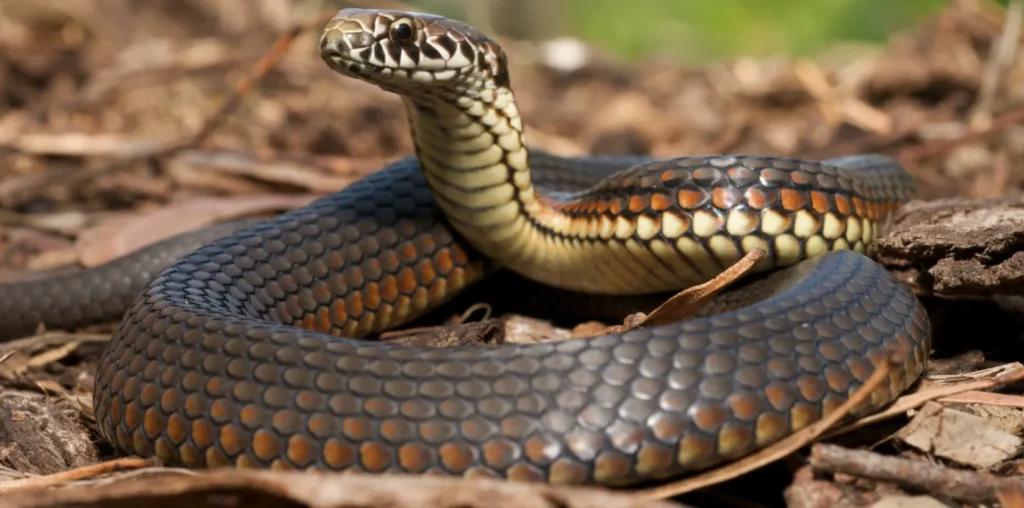
Their main diet, food sources, and collection process are explained
Main Diet of Snakes
All snakes are carnivorous, meaning they eat animal-based food. They do not eat grass, fruits, leaves, or grains. Their diet depends on body size, habitat, hunting style, and species. San Diego Zoo and BBC Earth both describe snakes as predators that may eat mammals, birds, amphibians, reptiles, fish, eggs, insects, and even other snakes.
Small snakes may eat insects, worms, small frogs, tiny fish, or lizards. Medium snakes often eat rodents, eggs, birds, frogs, and small reptiles. Large snakes such as pythons and anacondas can eat larger mammals and birds.
Food Sources
Common snake food sources include:
- Rodents such as mice and rats
- Amphibians such as frogs and toads
- Birds and eggs from nests
- Fish in wetland and river habitats
- Lizards and other reptiles
- Insects and arthropods for smaller snakes
- Other snakes, especially in species like the king snake
Collection or Hunting Process
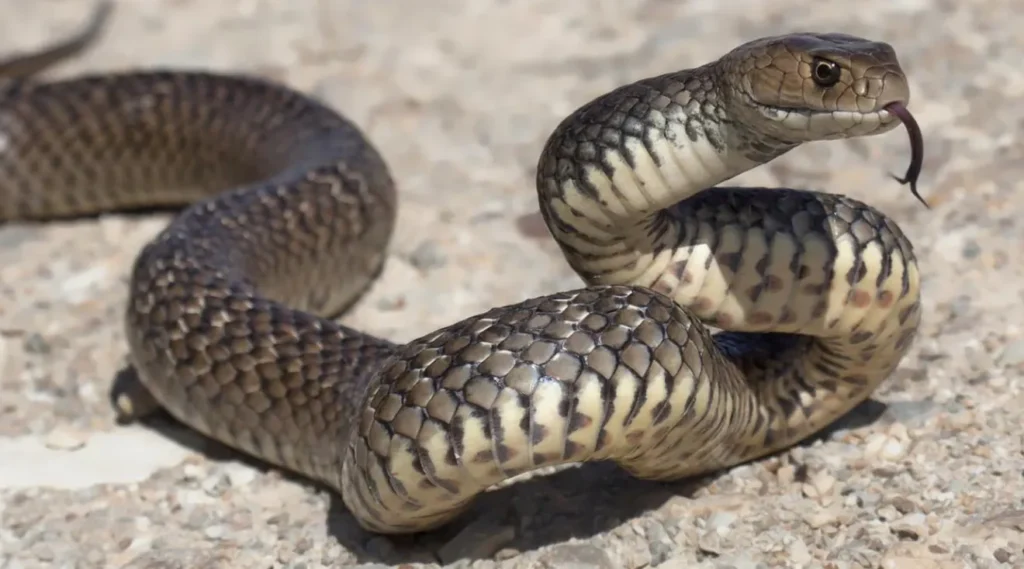
Snakes “collect” food by hunting rather than gathering. They use smell, heat detection, vision, vibration, and patience. Their forked tongues collect scent particles from the air and the ground, helping them track prey.
Some snakes are ambush hunters. They stay still and wait for prey to come close. Others actively search through grass, trees, burrows, water edges, or rocky areas.
Venomous snakes use venom to subdue prey. Non-venomous snakes may grab, swallow, or constrict prey. After feeding, snakes digest slowly and may not need another meal for days or even weeks, depending on the size of the prey and the temperature.
Important Things That You Need To Know
When people search for the life cycle of a snake, they often use related terms such as snake, coral snake, rat snake, king snake, and even Snake River Farms. Some of these are directly connected to reptiles, while others are search-related phrases that need careful understanding.
A coral snake is a venomous snake known for bright bands of red, yellow, black, or white, depending on the species and region. It belongs to the elapid group, which also includes cobras and mambas. Coral snakes are usually shy and spend much of their time hidden under leaf litter, logs, or soil spaces.
A rat snake is usually non-venomous and helpful to humans because it eats rats, mice, birds, and eggs. Rat snakes are often found near farms, forests, old buildings, and fields. They are excellent climbers and play a major role in natural rodent control.
A king snake is also usually non-venomous and is famous for eating other snakes, including venomous ones, in some regions. This makes the king snake an important predator in many ecosystems.
The phrase Snake River Farms is different. It is not a snake species or part of snake biology. It is a brand-related search term and should not be confused with the animal life cycle. For SEO writing, this type of LSI keyword can be mentioned naturally, but it should not be forced into biological sections.
Understanding these related keywords helps readers avoid confusion as they learn the real science behind a snake’s life cycle.
How Long Does A Snake Live
The lifespan of a snake depends strongly on species, habitat, body size, predators, disease, food supply, climate, and whether it lives in the wild or in captivity. There is no single lifespan for all snakes, as the group includes thousands of species.
- Small snakes often live shorter lives.
- Many small snakes may live only a few years in the wild because they are more vulnerable to predators, habitat changes, and food shortages.
- Medium-sized snakes may live longer.
- Species such as corn snakes, rat snakes, and king snakes can live for many years if they survive the early life stages. Some may reach 10 to 20 years under good conditions.
- Large snakes often have longer lifespans.
- Pythons and boas can live for decades. The San Diego Zoo notes that pythons may live up to 35 years, depending on the species and care conditions.
- Wild snakes usually face more danger.
- In the wild, snakes face predators, road accidents, habitat loss, disease, drought, flooding, and human persecution. These risks often reduce average lifespan.
- Captive snakes may live longer.
- In captivity, snakes may receive regular food, controlled temperature, veterinary care, and protection from predators. As a result, many captive snakes live longer than their wild counterparts.
- Baby snake survival is low.
- Many baby snakes do not reach adulthood. They are small, easy to catch, and are still learning how to hunt and hide.
- Climate affects lifespan.
- Snakes depend on external temperature to regulate body function. Extreme cold, heat, or unstable climate can reduce feeding success and survival.
- Food supply matters.
- A snake with steady access to natural prey has a better chance of growing and reproducing. A snake in a damaged habitat may struggle to survive.
- Human activity is a major factor.
- Road construction, forest clearing, wetland destruction, pollution, and fear-based killing can reduce snake populations.
- Species matters most.
- A small worm snake and a large python do not have the same lifespan. That is why lifespan should always be discussed by species, not only by the general word “snake.”
Snake Lifespan in the Wild vs. in Captivity
Lifespan in the Wild
In the wild, snakes live in forests, grasslands, deserts, wetlands, rivers, farms, mountains, and coastal areas. Natural conditions shape their lifespan. Some snakes die young due to predators, food shortages, disease, or human disturbance.
Wild snakes must hunt for every meal. They must also find shelter during heat, cold, rain, drought, and breeding season. These challenges make it harder to sustain wildlife, but they also keep the ecosystem balanced.
Lifespan in Captivity
In captivity, snakes may live longer because they are protected from predators and may receive steady food and medical attention. However, captivity is only healthy when proper temperature, humidity, enclosure size, diet, and safety are maintained.
A poorly kept captive snake may suffer stress, illness, or poor growth. So captivity does not automatically mean a better life unless care is responsible and species-appropriate.
Main Difference
The biggest difference is risk. Wild snakes live naturally but face more danger. Captive snakes face fewer natural threats but depend completely on human care.
Importance of the Life Cycle of a Snake in this Ecosystem
Natural Pest Control
Snakes are highly important for controlling rodents and other small animals. Without snakes, rat and mouse populations can increase quickly. This may damage crops, stored food, and human living areas.
By eating rodents, snakes support farmers and reduce pressure on food systems. This makes the snake a natural pest manager.
Balance in Food Chains
Snakes are both predators and prey. They eat animals below them in the food chain and are eaten by larger animals such as eagles, hawks, mongooses, wild cats, and larger snakes.
This double role makes them important links in ecosystems. If snake populations disappear, both prey and predator relationships can become unbalanced.
Support for Biodiversity
The life cycle of a snake supports biodiversity because each stage feeds different parts of the food web. Small predators may eat eggs, young snakes may feed on birds and mammals, and adult snakes control prey populations.
Indicator of Environmental Health
Snakes are sensitive to habitat damage, pollution, and food shortage. A healthy snake population can indicate that the local environment still has prey, shelter, and balanced natural conditions.
Global reptile conservation assessments indicate that many reptiles are under threat, with habitat loss and environmental change among the major concerns.
What to do to protect them in nature and save the system for the future
Protect Natural Habitats
- Save forests, wetlands, grasslands, riverbanks, and rocky shelters.
- Avoid unnecessary land clearing.
- Keep natural hiding places such as logs, leaf litter, and native plants.
Reduce Fear-Based Killing
- Teach people that most snakes avoid humans.
- Do not kill snakes simply because they are seen near homes or farms.
- Call trained wildlife rescuers where available.
Keep the Food Chain Healthy
- Reduce harmful pesticide use.
- Protect frogs, insects, rodents, birds, and small reptiles that form part of the snake food web.
- Avoid poisoning rodents because poisoned prey can also harm snakes.
Make Roads Safer for Wildlife
- Drive carefully in rural, forest, and wetland areas.
- Support wildlife crossing signs and safe passage zones.
- Report important snake movement areas to local conservation groups.
Stop Illegal Wildlife Trade
- Do not buy wild-caught snakes as pets.
- Avoid products made from illegally collected snake skin.
- Support conservation programs and responsible wildlife education.
Fun & Interesting Facts About the Life Cycle of a Snake
- Baby snakes look like tiny adults.
- They do not pass through a larva or pupa stage like insects.
- Snakes shed their skin many times.
- Young snakes shed more often because they grow quickly.
- All snakes are meat-eaters.
- There are no vegetarian snakes.
- Some snakes lay eggs, while others give birth to live young.
- This depends on the species and habitat.
- A snake uses its tongue to smell.
- The forked tongue collects scent particles and sends them to a special organ in the mouth.
- King snakes can eat other snakes.
- Some king snake species are known for feeding on venomous snakes.
- Rat snakes are helpful around farms.
- A rat snake can naturally reduce rodent numbers.
- Coral snakes are shy but venomous.
- A coral snake usually avoids people and spends much time hidden.
- Some snakes can live for decades.
- Large species, especially pythons and boas, may live many years under good conditions.
- Snakes do not chew food.
- They swallow prey whole because their jaws and skull are highly flexible.
Frequently Asked Questions (FAQs)
Q: What is the life cycle of a snake?
A: The life cycle of a snake includes egg or live birth, hatchling or newborn, juvenile, adult, and old age. The snake grows, sheds its skin, learns to hunt, matures, and later reproduces.
Q: How long does it take for a snake egg to hatch?
A: It depends on the species and temperature. Many snake eggs hatch after several weeks to a few months. Warm, stable conditions usually help eggs develop faster.
Q: Do snakes take care of their babies?
A: Most snakes do not provide long-term care. Baby snakes are usually independent from birth or hatching. Some pythons protect their eggs, but most species leave their young to fend for themselves.
Q: What do snakes eat during their life cycle?
A: Snakes eat animal prey. Small snakes may eat insects, worms, frogs, and lizards. Larger snakes may eat rodents, birds, eggs, fish, reptiles, and small mammals.
Q: How long can a snake live?
A: Lifespan depends on species. Some small snakes live only a few years in the wild, while larger snakes such as pythons and boas may live for decades, especially in captivity.
Conclusion
The life cycle of a snake is a powerful example of survival, adaptation, and balance in nature. From egg or live birth to adulthood, every stage helps the snake become a skilled predator and an important part of the ecosystem. Snakes may seem frightening to many people, but they are valuable animals that control pests, support biodiversity, and maintain stable food chains.
Understanding their reproduction, diet, growth, lifespan, and ecological role helps us better respect them. Whether it is a coral snake, rat snake, king snake, or another species, each snake has a place in nature. Protecting snakes means protecting forests, wetlands, farms, rivers, and the natural balance that supports human life, too. A healthy future for snakes is also a healthier future for the ecosystem.
Also Read: tadpole life cycle