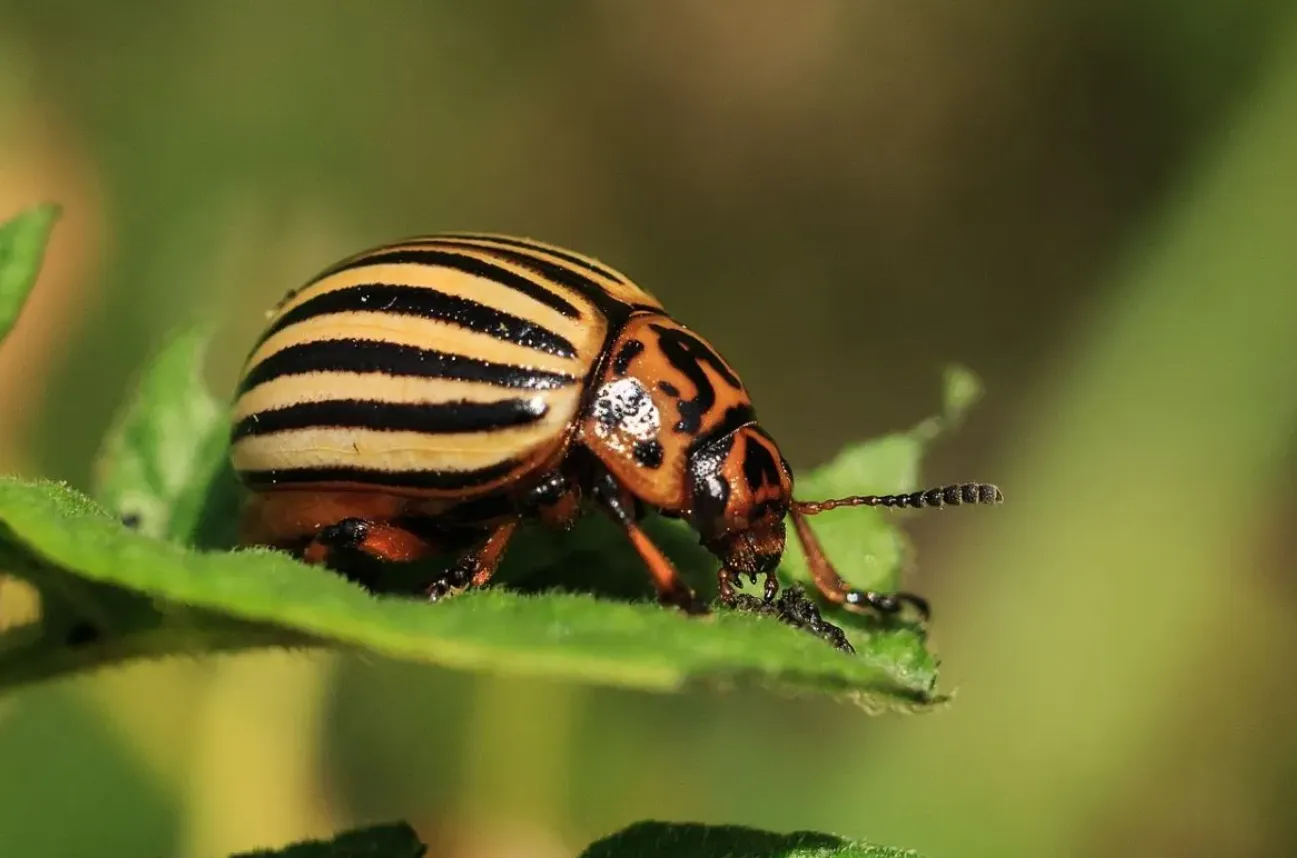
The beetle life cycle is one of the most fascinating natural processes in the insect world. Beetles belong to the scientific order Coleoptera, the largest order of insects, with more than 400,000 described species worldwide. They are known for their hard front wings, called elytra, which protect the softer flying wings underneath and help them survive in many environments.
A beetle does not grow like a human or a mammal. Instead, it undergoes complete metamorphosis, meaning its body passes through four distinct stages: egg, larva, pupa, and adult beetle. This transformation allows beetles to live differently at different points in their lives. A larva may live in soil, wood, dung, or plant roots, while the adult may fly, mate, feed, defend itself, and search for a new habitat.
Understanding the beetle life cycle is useful for gardeners, farmers, students, nature lovers, and pest control workers. Some beetles, like lady beetles, help gardens by eating aphids. Others, like some Japanese beetle species, can damage crops and ornamental plants. But overall, beetles are deeply connected to soil health, decomposition, pollination, food chains, and natural balance.
Q: What are the four stages of the beetle life cycle?
A: The four stages are egg, larva, pupa, and adult beetle.
Q: How long does a beetle’s life cycle take?
A: It depends on the species. Some beetles complete their life cycle in a few weeks or months, while wood-boring beetles may take several years.
Q: Why are beetles important in nature?
A: Beetles recycle nutrients, control pests, pollinate plants, improve soil, and serve as food for birds, reptiles, amphibians, and mammals.
Quick Life Cycle Table
| Life Stage | What Happens | Where It Usually Happens | Main Purpose |
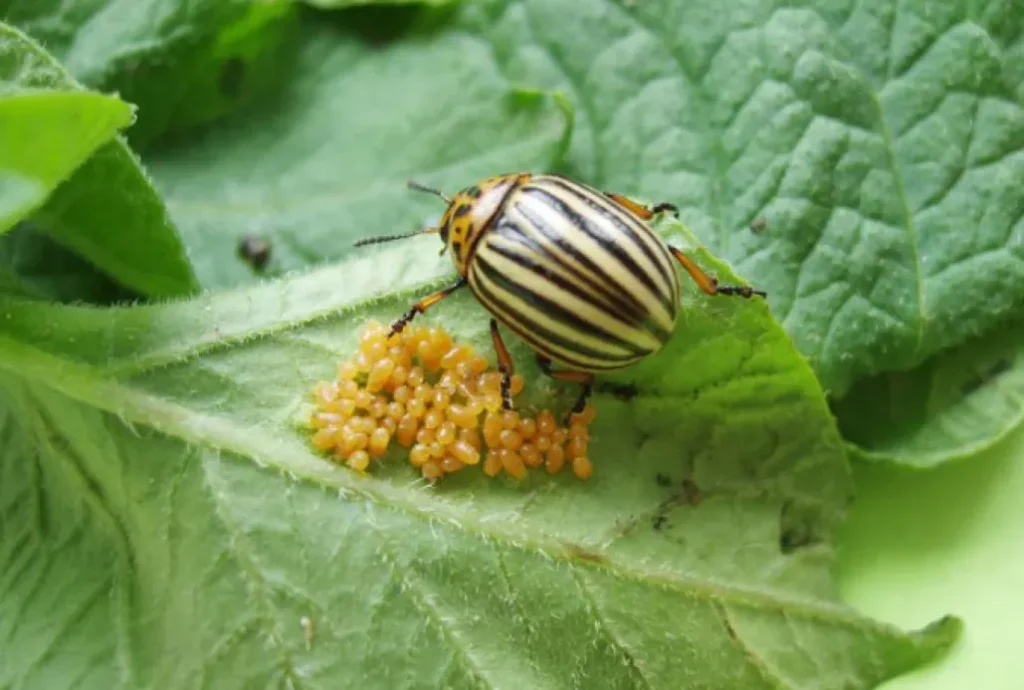
| Egg | The female beetle lays eggs in safe places near food. | Soil, leaves, bark, dung, roots, stored grains, or decaying matter. | Starting a new life. |
| Larva | The young beetle hatches and begins heavy feeding. | Soil, wood, plant tissue, dung, carrion, or water, depending on species. | Growth and energy storage. |
| Pupa | The larva becomes still and transforms within its body. | Soil chambers, leaf litter, wood tunnels, or protected spaces. | Changing into adult form. |
| Adult | The adult beetle emerges, feeds, mates, disperses, and lays eggs. | Plants, soil surface, trees, flowers, water edges, gardens, forests, or farms. |
The History of Their Scientific Naming
The scientific order name of beetles is Coleoptera. This name comes from Greek words meaning sheath wing, a direct reference to the beetle’s hardened front wings. These wing covers, called elytra, are among the most important features used to identify beetles.
- The term Coleoptera was first used in scientific classification by Linnaeus in 1758, although its Greek etymology dates back much earlier.
- The word describes the beetle’s distinctive body design. Their front wings are not mainly used for flying. Instead, they act like protective covers.
- The common English word beetle is connected with older words meaning a small biter. This makes sense because many beetles have strong chewing mouthparts.
- Scientific naming helped researchers separate beetles from other insects such as flies, butterflies, bees, wasps, grasshoppers, and true bugs.
- Today, Coleoptera includes beetles and weevils. Modern classification commonly places beetles into major groups such as Adephaga, Archostemata, Myxophaga, and Polyphaga.
This naming history is important because it connects beetles to their most visible body feature: their protective wings.
Their Evolution And Their Origin
The origin of beetles dates back to Earth’s early history. Fossil evidence and evolutionary studies show that beetles are an ancient insect group with a long record of survival, adaptation, and diversification. Scientific research on beetle fossils has found thousands of fossil occurrences from many global sites, helping researchers understand how beetles became so successful over time.
One reason beetles became so diverse is their body structure. The hard elytra protect the wings and soft abdomen from injury, drying, and predators. This small design advantage gave beetles a strong survival tool in forests, grasslands, wetlands, deserts, farms, and even stored food environments.
Another major reason is their flexible diet. Beetles can eat leaves, roots, seeds, fungi, dung, carrion, dead wood, other insects, and stored grains. Because different beetle groups could use different food sources, they spread into many ecological niches.
The evolution of complete metamorphosis also helped beetles succeed. A larva and an adult beetle often do not compete for the same food. For example, a larva may feed underground on roots, while the adult may feed above ground on leaves or flowers. This separation reduces competition within the same species.
Modern research suggests beetles diversified over hundreds of millions of years, with many lineages surviving major environmental changes. Their success is not based on one single trait. It comes from a powerful combination of protective wings, chewing mouthparts, complete metamorphosis, diet flexibility, small body size, and high reproductive ability.
Their main food and its collection process
Beetles are not all the same when it comes to food. The diet of a beetle depends strongly on its species, life stage, habitat, and body structure. Some are plant feeders, some are predators, some are decomposers, and some feed on fungi or dung. Britannica notes that beetles may live underground, in water, within plant tissue, on flowers, in nests of social insects, or in decaying matter.
- Plant-feeding beetles eat leaves, roots, flowers, seeds, fruits, bark, or wood. Many leaf beetles and weevils use chewing mouthparts to cut plant tissue.
- Predatory beetles hunt soft-bodied insects, eggs, larvae, slugs, mites, and other small organisms. Ground beetles and lady beetles are common examples.
- Dung beetles collect and bury animal waste. This provides them with food and creates a safe place for eggs and larvae.
- Carrion beetles feed on dead animals. They help break down organic matter and return nutrients to the soil.
- Fungus-feeding beetles live near decaying wood, leaf litter, or damp habitats where fungi grow.
- Wood boring larvae tunnel through dead or living wood. Their feeding process can take a long time because wood is tough and nutrient-poor.
Food collection is usually guided by smell, touch, and chemical signals. Many beetles use their antennae to detect food sources. Once food is found, their strong mouthparts cut, chew, scrape, or grind it.
For many beetles, the larval stage is the most active feeding period. The adult stage often focuses more on mating, dispersal, and egg laying, although many adults also feed heavily.
Important Things That You Need To Know
When people search for the beetle life cycle, they often also encounter related terms such as the blue beetle, Volkswagen Beetle, Japanese beetle, Asian lady beetle, stag beetle, and Hercules beetle. These words can mean very different things, so it is useful to understand them clearly.
The word beetle usually refers to insects in the order Coleoptera. These are real animals with the classic life cycle of egg, larva, pupa, and adult. However, the Volkswagen Beetle is not an insect. It is the famous car model whose rounded shape reminded people of a beetle’s body.
A Japanese beetle is a real beetle species known for feeding on leaves, flowers, and fruits. Its larvae live in soil and feed on grass roots, which can damage lawns and gardens.
An Asian lady beetle is also a real beetle. It looks similar to many ladybugs and can help control aphids, but it may become a household nuisance when adults gather indoors during cooler seasons.
A stag beetle is famous for its large, jaw-like mandibles, especially in males. These jaws are often used in competition with other males.
The Hercules beetle is one of the most impressive beetles because males can grow large horns. These beetles are often discussed because of their strength and dramatic body form.
Their life cycle and ability to survive in nature
Egg stage
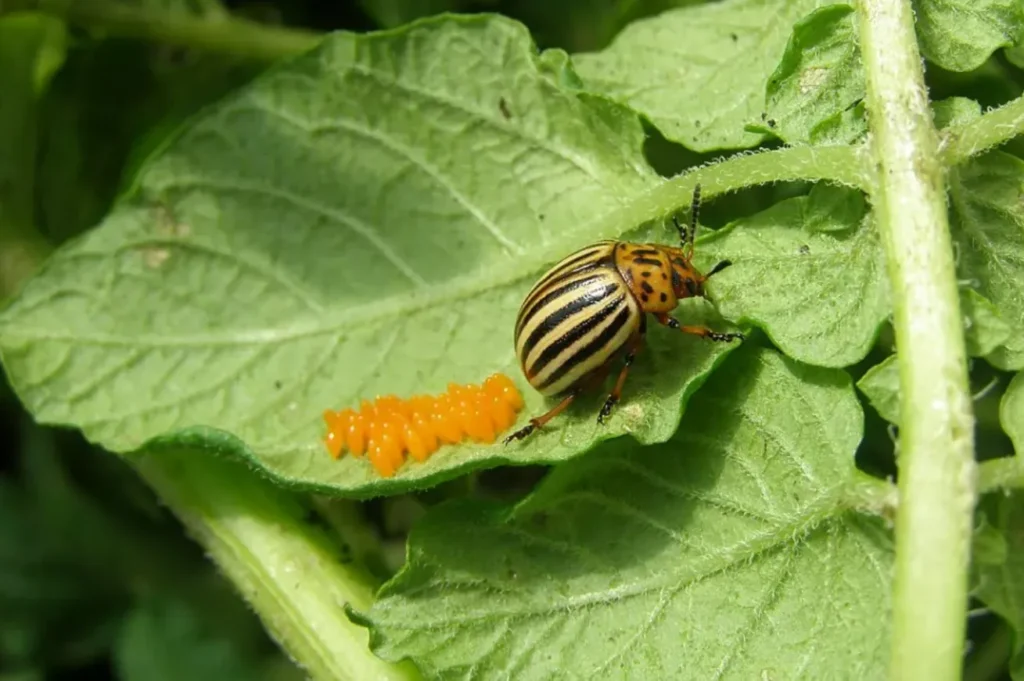
The beetle life cycle begins when the female lays eggs. She usually chooses a place close to food, because the young larvae need to eat soon after hatching. Eggs may be placed in soil, under bark, on leaves, inside seeds, near dung, or in decaying matter.
This stage is small and vulnerable. Moisture, temperature, predators, and food availability all affect survival.
Larva stage
The larva is the main growth stage. Beetle larvae may look like grubs, worms, or small armored creatures, depending on the species. During this stage, they eat heavily and molt several times as their bodies grow.
Larvae are often hidden in soil, wood, roots, dung, or stored products. This hidden lifestyle protects them from some predators.
Pupa stage
The pupa stage is the stage of transformation. The beetle becomes less active while its body reorganizes into the adult shape. Wings, legs, antennae, eyes, and reproductive organs develop during this stage.
Complete metamorphosis has four stages, and beetles are one of the insect groups that follow this pattern.
Adult stage
The adult beetle emerges with the ability to mate and spread. Many adults fly, search for food, avoid enemies, and find good egg-laying sites.
Their ability to survive comes from hard wing covers, camouflage, chemical defense, burrowing behavior, strong mouthparts, seasonal dormancy, and flexible feeding habits.
Their Reproductive Process and raising their children
Beetle reproduction is usually simple but highly effective. Most beetles reproduce sexually, with males and females meeting as adults. Their behavior may include scent signals, vibrations, sounds, visual displays, fighting, or mate guarding.
- Mate finding often begins with chemical signals. Many beetles use pheromones to attract partners.
- Male competition can be intense in species such as the stag beetle and Hercules beetle, where males use large jaws or horns to compete.
- Egg laying is carefully connected to food. A female often places eggs where larvae can feed immediately after hatching.
- Larval care varies. Most beetles do not raise their young as birds or mammals do, but they still help by choosing a safe egg site.
- Some beetles show stronger care. Certain burying beetles prepare carrion for their young, and some dung beetles bury dung as both food and shelter.
- High egg numbers increase survival. Since many eggs and larvae are eaten by predators or harmed by weather, producing many offspring improves the chance that some will reach adulthood.
In most beetles, the young are independent after hatching. They feed, grow, molt, pupate, and become adults without parental care.
This reproductive strategy works because beetles are small, adaptable, and able to use many hidden habitats. Their life cycle protects different stages in different ways.
The importance of them in this Ecosystem
Natural recyclers
Beetles are powerful recyclers. Many species break down dead plants, dead animals, dung, and decaying wood. This returns nutrients to the soil and supports new plant growth.
Dung beetles are especially important. Scientific reviews show that dung beetles help with nutrient cycling, soil fertilization, parasite suppression, and secondary seed dispersal.
Pest control helpers
Many predatory beetles eat insects that damage crops and garden plants. Lady beetles, for example, are known for feeding on aphids and other soft-bodied pests.
Ground beetles also help by hunting larvae, caterpillars, slugs, and other small animals in soil and leaf litter.
Soil builders
Beetles that dig, tunnel, and bury organic material improve soil structure. Their movement helps air and water enter the soil. This supports roots, microbes, fungi, and other soil organisms.
Pollination support
Some beetles visit flowers for pollen or nectar. While bees are more famous pollinators, beetles also help move pollen in certain plants.
Food for other animals
Birds, frogs, lizards, fish, bats, spiders, and small mammals eat beetles and their larvae. Without beetles, many food chains would lose an important source of protein.
Balance between benefit and damage
Not all beetles are helpful in every situation. Some species damage crops, trees, stored grains, and lawns. Still, beetles as a whole are essential for healthy ecosystems.
What to do to protect them in nature and save the system for the future
Protecting beetles means protecting soil, plants, water, and the food web around them. Because beetles live in so many habitats, small changes in gardens, farms, forests, and urban spaces can make a real difference.
- Avoid unnecessary pesticide use, as chemicals can kill beneficial beetles along with harmful insects.
- Keep leaf litter in some garden areas so ground beetles, larvae, and other small insects have shelter.
- Plant native flowers and shrubs to support beetles that feed on pollen, nectar, or plant material.
- Protect dead wood in safe places because many beetle larvae live in decaying logs and tree stumps.
- Do not remove every natural corner from your garden. A clean-looking yard may have fewer hiding places for useful insects.
- Support soil organic matter by using compost, mulch, and natural plant waste.
- Reduce light pollution at night because many beetles are attracted to artificial lights and may become exhausted or trapped.
- Protect wetlands, forests, grasslands, and old trees because different beetle species need different habitats.
- Learn the difference between pest beetles and beneficial beetles before taking action.
- Encourage natural predators, such as birds and frogs, which help keep beetle populations in balance.
Saving beetles does not mean letting pest species destroy crops. It means using smarter management, protecting useful species, and keeping natural systems healthy for the future.
Frequently Asked Questions (FAQs)
Q: What is the beetle life cycle?
A: The beetle life cycle is the process beetles pass through from egg to larva, then pupa, and finally adult beetle. This is called complete metamorphosis.
Q: How long does the beetle’s life cycle take?
A: It depends on the species and environment. Some beetles complete the cycle in weeks or months, while some wood-boring beetles may take years.
Q: What does a beetle larva look like?
A: A beetle larva may look like a grub, worm, or small crawling insect. Many larvae are soft-bodied and live in soil, wood, dung, or plant material.
Q: Do all beetles go through complete metamorphosis?
A: Yes, beetles are holometabolous insects, meaning they develop through egg, larva, pupa, and adult stages.
Q: What do beetles eat during their life cycle?
A: Beetles eat many things depending on the species. Their food may include leaves, roots, seeds, wood, fungi, dung, carrion, stored grains, or other insects.
Q: Are beetles harmful or helpful?
A: They can be both. Some beetles damage crops and trees, while others recycle waste, improve soil, pollinate plants, and control pests.
Q: Where do beetles lay their eggs?
A: Female beetles lay eggs near suitable food. This may be in soil, under bark, on leaves, inside plant tissue, in dung, or in decaying matter.
Q: What is the difference between a Japanese beetle and an Asian lady beetle?
A: A Japanese beetle is often known for feeding on plant leaves and flowers, while an Asian lady beetle often feeds on aphids but may enter homes in groups during cooler weather.
Conclusion
The beetle life cycle is a powerful example of how nature uses transformation for survival. From a tiny egg to a hungry larva, then a quiet pupa, and finally a mature adult beetle, each stage has a clear purpose. This complete metamorphosis helps beetles avoid competition, use different food sources, and survive in many habitats.
Beetles are not just small insects crawling under leaves. They are recyclers, predators, pollinators, soil builders, and food for many animals. Some beetles can become pests, but many others quietly protect gardens, forests, farms, and natural ecosystems.
Learning about the beetle life cycle helps us understand why these insects matter. When we protect soil, plants, dead wood, clean water, and natural spaces, we also protect beetles. And by protecting beetles, we help keep the whole EcosystemEcosystem stronger, healthier, and more balanced for the future.
Also Read: life cycle of a pumpkin