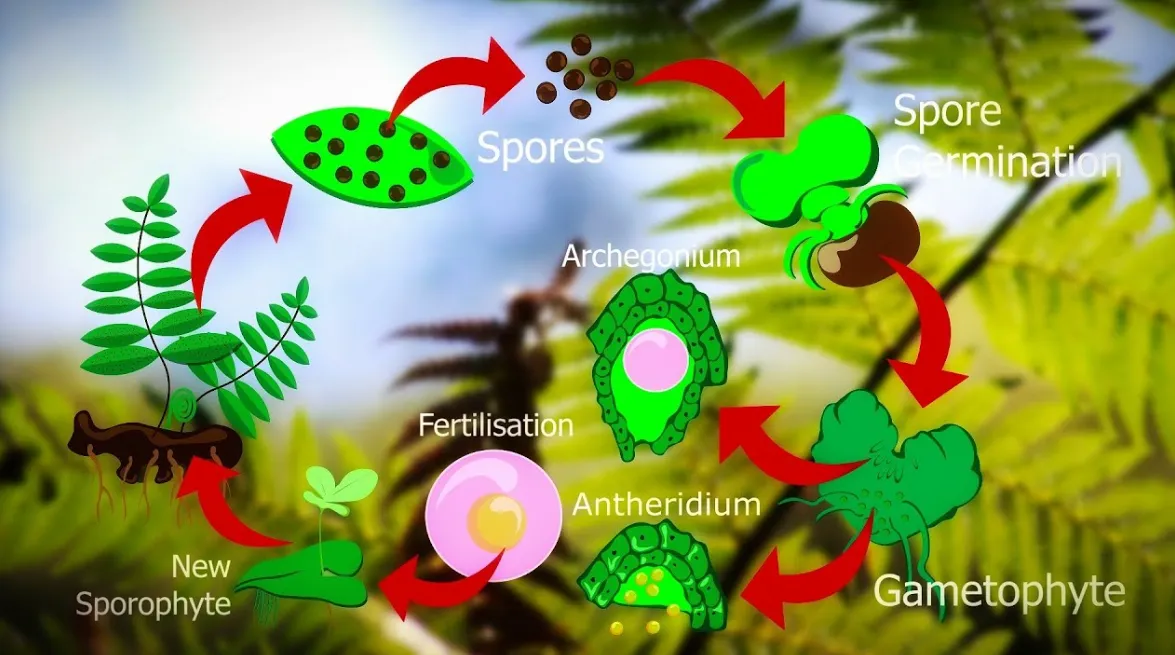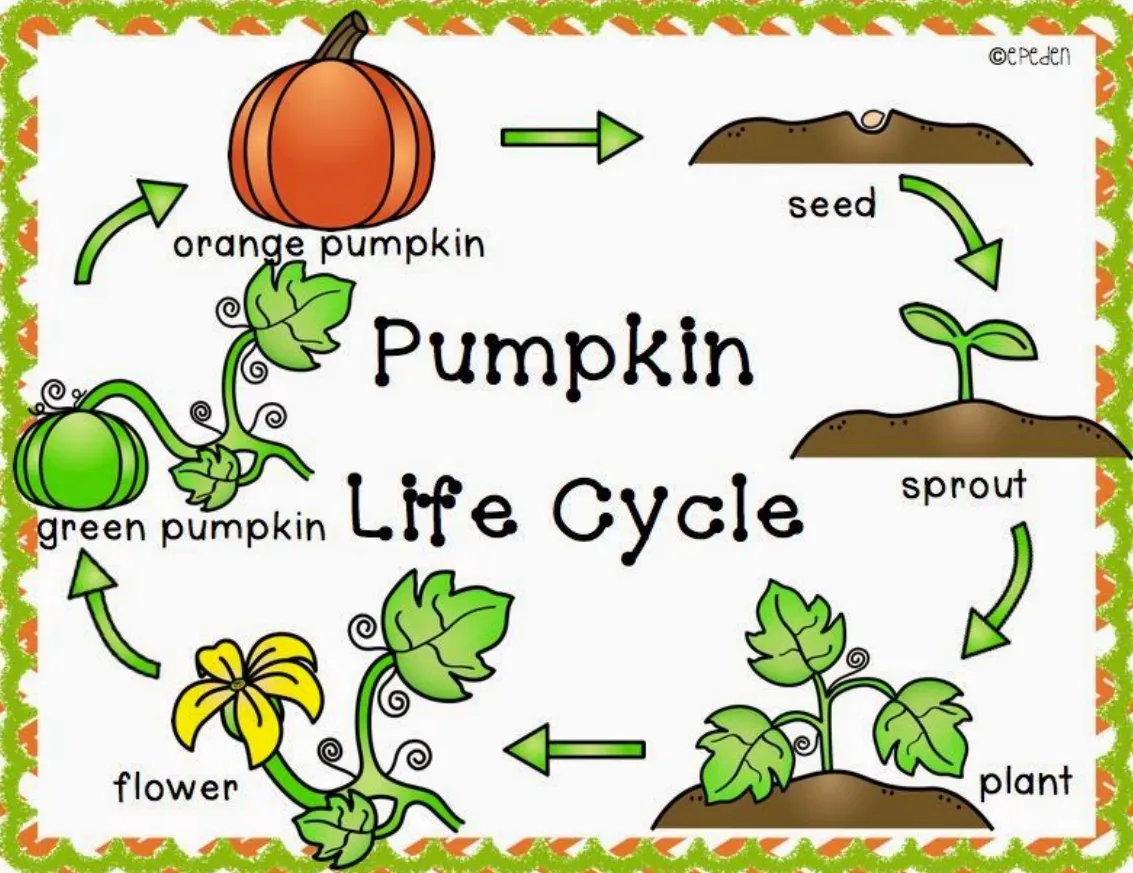
The life cycle of plants is one of nature’s most fascinating processes, showing how life begins, grows, reproduces, and continues across generations. Whether you’re nurturing indoor plants, growing succulents, or simply curious about how plants survive in nature, understanding their life cycles helps you care for them better and appreciate their ecological importance.
Plants are essential for life on Earth. They provide oxygen, food, shelter, and even regulate the climate. From tiny seeds to fully grown trees, each stage of the plant life cycle plays a crucial role in sustaining ecosystems.
🔍 Quick Answers (Most Common Questions)
1. What are the main stages of the plant life cycle?
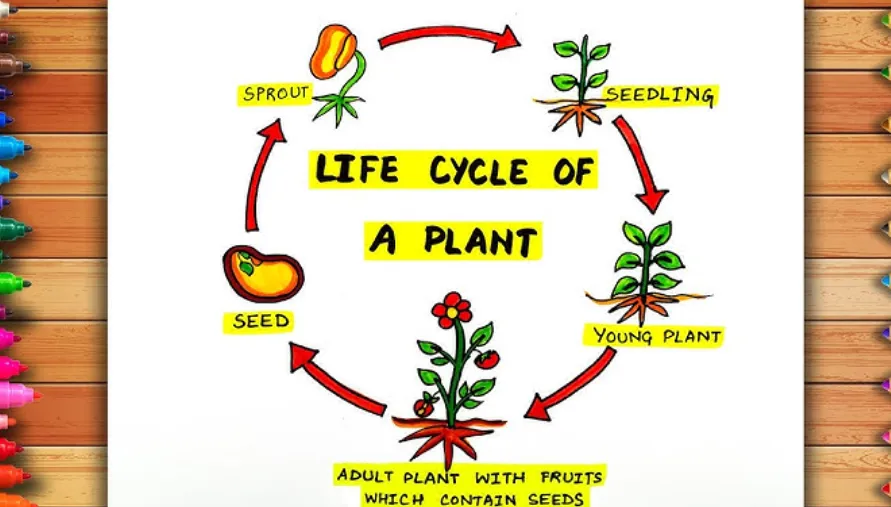
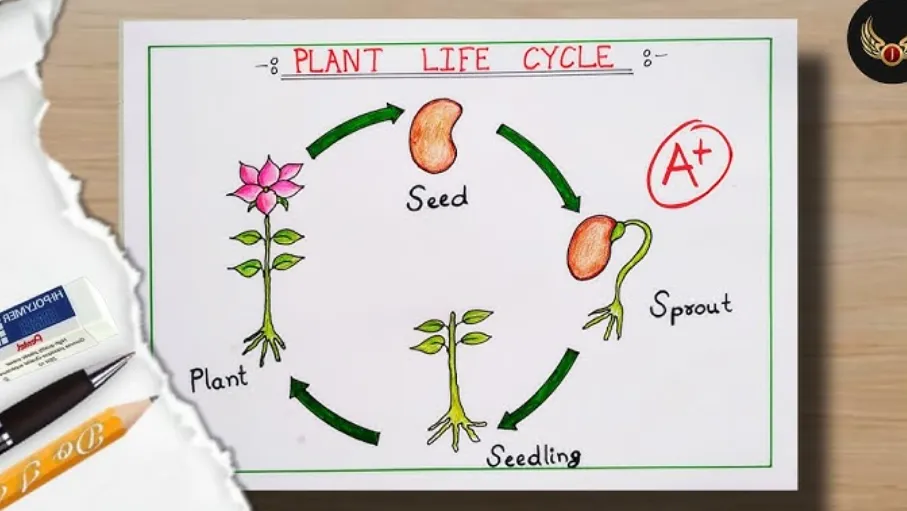
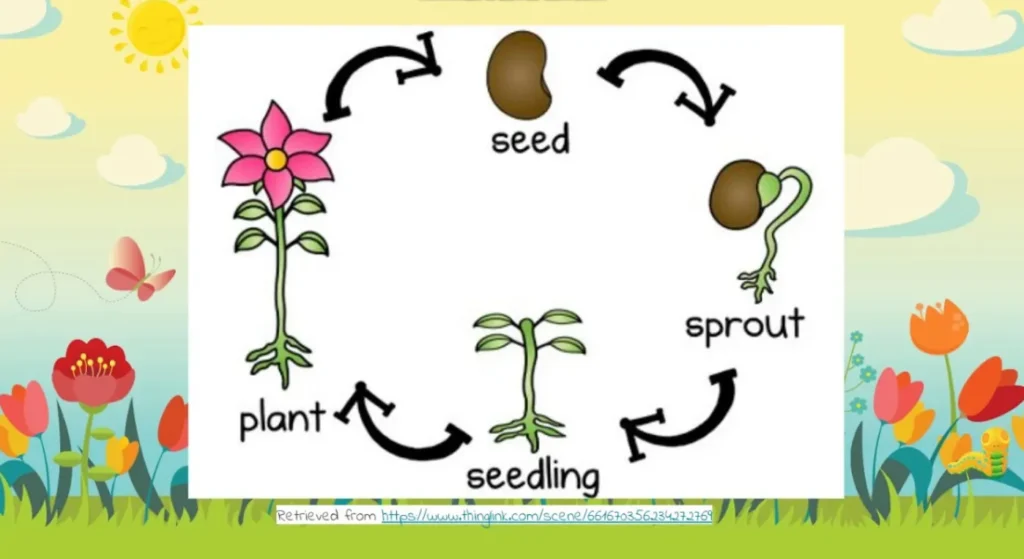
Seed → Germination → Seedling → Mature Plant → Flowering → Pollination → Seed Production.
2. How long does a plant’s life cycle take?
It varies—some plants complete their cycle in weeks (annuals), while others take years (trees).
3. Do all plants follow the same life cycle?
Yes, generally, but the duration and methods (such as reproduction) can vary.
Understanding these stages is especially useful for plant lovers managing houseplants or for learning how to dose fertilizer effectively.
🌿 Quick Life Cycle Table
| Stage | Description | Key Activity |
| Seed | Dormant stage | Waiting for proper conditions |
| Germination | The seed begins to grow | Root and shoot emerge |
| Seedling | Young Plant develops leaves | Photosynthesis starts |
| Mature Plant | Fully grown Plant | Produces flowers/fruits |
| Flowering | Reproductive structures form | Attract pollinators |
| Pollination | Transfer of pollen | Fertilization begins |
| Seed Production | New seeds form | Cycle repeats |
The History Of Their Scientific Naming
The scientific naming of plants follows a standardized system known as binomial nomenclature, developed by Carl Linnaeus in the 18th century.
- 🌿 Carl Linnaeus (1707–1778) introduced a universal naming system.
- 🌿 Each Plant is given two names: the genus and the species.
- 🌿 This system avoids confusion caused by local or common names.
- 🌿 Example: Mango = Mangifera indica.
- 🌿 Latin is used because it is a “dead language” and doesn’t change.
- 🌿 Scientists worldwide use this system for consistency.
- 🌿 Classification is based on plant structure, reproduction, and genetics.
This naming system helps botanists, gardeners, and researchers identify plants accurately, whether they are wild species or cultivated house plants.
Their Evolution And Their Origin
Plants originated around 470 million years ago, evolving from aquatic green algae. Over time, they adapted to land environments, developing structures that allowed survival outside water.
Early plants were simple and lacked roots or leaves. Gradually, they evolved into complex forms like ferns, gymnosperms, and flowering plants (angiosperms).
Key evolutionary milestones include:
- 🌱 Development of roots for water absorption
- 🌱 Formation of leaves for photosynthesis
- 🌱 Evolution of vascular tissues (xylem & phloem)
- 🌱 Appearance of seeds, allowing reproduction without water
- 🌱 Flowering plants dominating ecosystems
Today, plants range from microscopic algae to massive trees. Even succulent plants evolved special adaptations to store water, helping them survive in dry climates.
Plant evolution continues as species adapt to environmental changes, making them one of the most resilient life forms on Earth.
Their Main Food and Its Collection Process
Plants are unique because they produce their own food through photosynthesis.
🌞 How Plants Make Food:
- Absorb sunlight using chlorophyll in leaves
- Take in carbon dioxide from the air
- Absorb water and nutrients from the soil
- Convert these into glucose (food) and oxygen
🌿 Key Components:
- Sunlight → Energy source
- Water → From roots
- Carbon dioxide → From the atmosphere
- Chlorophyll → Green pigment
🌱 Food Storage:
- Leaves store sugars
- Roots store starch (e.g., carrots)
- Fruits store nutrients
🌼 Fertilizer Role:
- Supplies nutrients like nitrogen, phosphorus, and potassium
- Essential for the growth of indoor plants
- Important to know how to dose fertilizer for plants properly to avoid damage
Plants continuously produce and distribute food throughout their structure, ensuring survival and growth.
🌿 Their Life Cycle and Ability to Survive in Nature
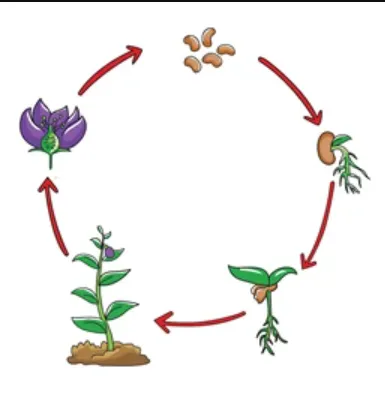
🌱 Germination Stage
Seeds sprout when they receive water, oxygen, and the right temperature.
🌿 Growth Stage
Plants develop roots, stems, and leaves. Photosynthesis begins.
🌸 Reproductive Stage
Flowers form and attract pollinators, such as bees and wind.
🌰 Seed Formation Stage
Fertilized flowers produce seeds, ensuring the continuation of the species.
Plants survive through:
- Adaptation to climate (e.g., desert succulents)
- Efficient water use
- Seasonal dormancy
- Defense mechanisms like thorns
This resilience allows plants to thrive in diverse environments—from forests to urban homes.
Their Reproductive Process and Raising Their Children
Plants reproduce in two main ways:
🌸 Sexual Reproduction:
- Involves flowers
- Pollination transfers pollen
- Fertilization produces seeds
🌱 Asexual Reproduction:
- No seeds needed
- Includes cuttings, runners, bulbs
- Common in-house plants
🌿 Seed Development:
- Seeds contain embryo + nutrients
- Protected by an outer coat
🌼 Raising “Children”:
- Seeds disperse via wind, water, and animals
- Germinate under suitable conditions
🌱 Examples:
- Strawberries use runners
- Aloe grows offsets
- Potatoes grow from tubers
This ensures survival even in challenging environments.
🌍 Importance of Them in this Ecosystem
🌿 Oxygen Production
Plants produce oxygen through photosynthesis.
🌱 Food Source
They are the base of the food chain.
🌳 Habitat Provider
Provide shelter for animals and insects.
🌎 Climate Regulation
Absorb carbon dioxide and reduce global warming.
🌼 Soil Protection
Prevent erosion and improve soil quality.
Plants are essential for ecological balance and human survival.
🌱 Important Things That You Need To Know
Understanding plant care is crucial, especially for indoor plants and beginners.
🌿 Key Insights:
- Plants need sunlight, water, and nutrients
- Indoor plants improve air quality and mood
- Succulent plants require less water and thrive in dry conditions
- Knowing how to dose fertilizer for plants prevents overfeeding
- Proper care increases the lifespan of house plants
🌱 Tips:
- Avoid overwatering
- Use well-drained soil
- Provide indirect sunlight for indoor varieties
- Fertilize based on plant type
This knowledge helps you maintain healthy plants at home.
🌿 What to do to protect them in nature and save the system for the future
- 🌱 Plant more trees and native species
- 🌿 Reduce deforestation
- 🌼 Avoid chemical pollution
- 🌳 Support sustainable farming
- 🌍 Conserve water resources
- 🌱 Protect natural habitats
- 🌿 Use organic fertilizers
- 🌼 Educate others about plant conservation
Protecting plants ensures a healthier planet for future generations.
Frequently Asked Questions (FAQs)
1. What is the first stage of a plant’s life cycle?
The seed stage.
2. Why is photosynthesis important?
It produces food and oxygen.
3. Can plants reproduce without seeds?
Yes, through asexual methods.
4. What helps seeds germinate?
Water, oxygen, and warmth.
5. How often should I fertilize indoor plants?
Usually, every 2–4 weeks, depending on the Plant.
6. Why are succulent plants special?
They store water and survive drought.
7. Do all plants flower?
No, some reproduce without flowers.
8. How do plants help the environment?
They provide oxygen, food, and habitat.
Conclusion
The life cycle of plants is a continuous and vital process that sustains life on Earth. From a tiny seed to a fully grown plant, each stage contributes to ecological balance and biodiversity.
Understanding how plants grow, reproduce, and survive helps us better care for them—whether in nature or as houseplants. With proper knowledge of watering, sunlight, and fertilizer dosing, anyone can successfully grow healthy plants.
As environmental challenges increase, protecting plants becomes more important than ever. By nurturing them and preserving natural ecosystems, we ensure a greener, healthier future.
Also Read: life cycle of a moth