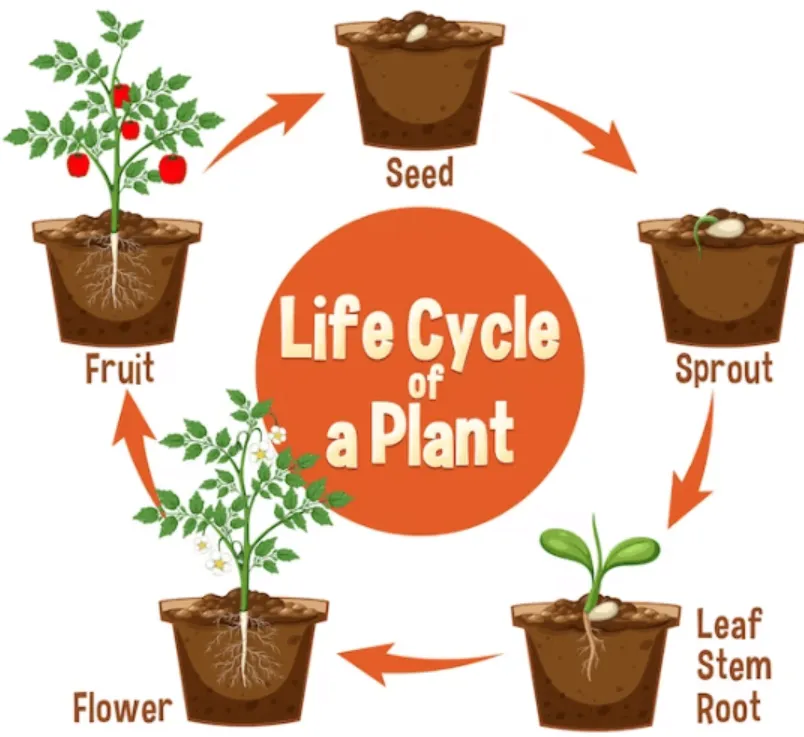
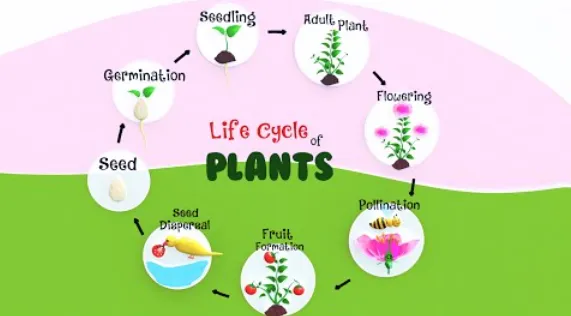
The life cycle of a flower is one of the most fascinating processes in nature. From a tiny seed to a fully bloomed plant and back again, flowers follow a continuous cycle that ensures the survival of plant species across generations. Understanding this cycle helps us appreciate how plants grow, reproduce, and contribute to the Ecosystem.
Flowers are not just beautiful—they play a critical role in pollination, food production, and maintaining ecological balance. The life cycle includes several stages such as seed germination, growth, flowering, pollination, fertilization, and seed dispersal. Each stage is essential for the continuation of life.
🌼 Quick Answers (Most Common Questions)
1. What is the life cycle of a flower?
It is the process through which a flowering plant grows from a seed, matures, reproduces, and produces new seeds.
2. How long does the life cycle take?
It depends on the plant type—some flowers complete their cycle in weeks, while others take months or even years.
3. Why is the life cycle important?
It ensures plant reproduction, biodiversity, and supports ecosystems by providing food and oxygen.
🌿 Quick Life Cycle Table
| Stage | Description | Key Function |
| Seed | The beginning stage, containing the embryo | Growth potential |
| Germination | A seed sprouts into a seedling | Root and shoot development |
| Growth | A plant develops leaves and stems | Photosynthesis begins |
| Flowering | Buds bloom into flowers | Reproduction preparation |
| Pollination | Transfer of pollen | Enables fertilization |
| Fertilization | Fusion of male and female cells | Seed formation |
| Seed Dispersal | Seeds spread to new areas | New plant growth |
The History Of Their Scientific Naming
The scientific naming of flowers follows the binomial nomenclature system introduced by Carl Linnaeus in the 18th century. This system standardized plant identification globally.
- 🌱 Carl Linnaeus is known as the father of modern taxonomy.
- 🌼 Each plant has two names: Genus and Species (e.g., Rosa indica).
- 🌍 The Latin language is used to ensure universal understanding.
- 📚 Scientific naming avoids confusion caused by regional names.
- 🔬 Classification is based on flower structure, reproduction, and genetic traits.
This system has evolved with modern genetic research. Today, scientists use DNA analysis to refine classifications, ensuring accurate identification and a better understanding of plant relationships.
Their Evolution And Their Origin
Flowering plants, also known as angiosperms, evolved around 140 million years ago during the Cretaceous period. Their emergence marked a significant shift in plant evolution.
Initially, plants reproduced via spores, as in ferns and mosses. However, angiosperms developed seeds enclosed within fruits, offering better protection and dispersal.
Over millions of years:
- 🌿 Flowers adapted to attract pollinators like bees, birds, and insects.
- 🌎 They diversified into over 300,000 species worldwide.
- 🌸 Bright colors, scents, and nectar evolved to enhance reproduction.
- 🧬 Genetic mutations allowed adaptation to different climates.
Their origin is closely tied to environmental changes. As climates shifted, flowering plants evolved mechanisms to survive droughts, floods, and temperature extremes.
Today, they dominate most ecosystems on Earth, from tropical rainforests to arid deserts. Their ability to reproduce efficiently and adapt quickly has made them one of the most successful plant groups in history.
Important Things That You Need To Know
Understanding LSI keywords deepens your knowledge of the topic. Here are essential insights:
What is the life cycle of a flower? The question is fundamental for beginners. It refers to the complete journey of a plant from seed to reproduction.
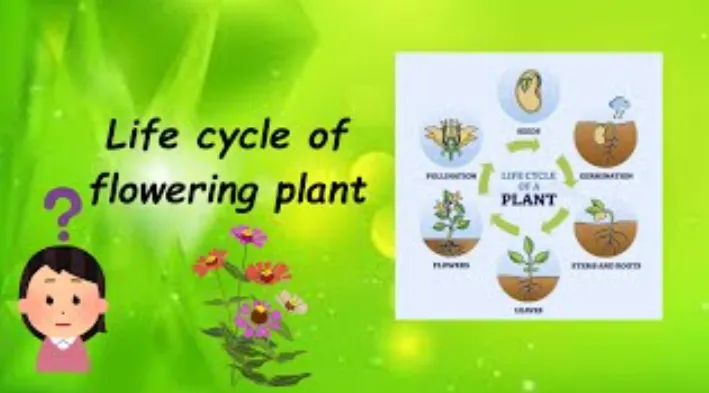
For educational purposes, the life cycle of a flower for kids simplifies the stages into easy steps like seed → sprout → plant → flower → seed again.
Many teachers use tools like a life cycle of a flower worksheet to help students visualize and learn effectively.
The phrase “the life cycle of a flower” often refers to the scientific explanation presented in biology textbooks.
Meanwhile, a flower’s life cycle can be described using a specific example, such as a sunflower or a rose.
Why These Matter
- They improve understanding at different learning levels.
- Help in SEO optimization and search relevance.
- Provide structured learning for students and educators.
By learning these variations, you can better understand how information is presented across educational and digital platforms.
Their main food and its collection process
Flowers, like all plants, produce their own food through photosynthesis. This process is essential for survival and growth.
🌞 How Flowers Get Their Food
- Sunlight Absorption
- Leaves capture sunlight using chlorophyll.
- Carbon Dioxide Intake
- Taken from the air through small pores called stomata.
- Water Absorption
- Roots absorb WaterWater and minerals from the soil.
- Photosynthesis Process
- Sunlight + Water + CO₂ → Glucose (food) + Oxygen
🍃 Food Collection Process
- Roots transport WaterWater through the stem.
- Leaves act as food factories.
- Sugars produced are distributed throughout the plant.
- Excess food is stored in roots, stems, or seeds.
This self-sustaining system allows flowers to grow, bloom, and reproduce efficiently.
Their life cycle and ability to survive in nature
🌱 Seed Stage
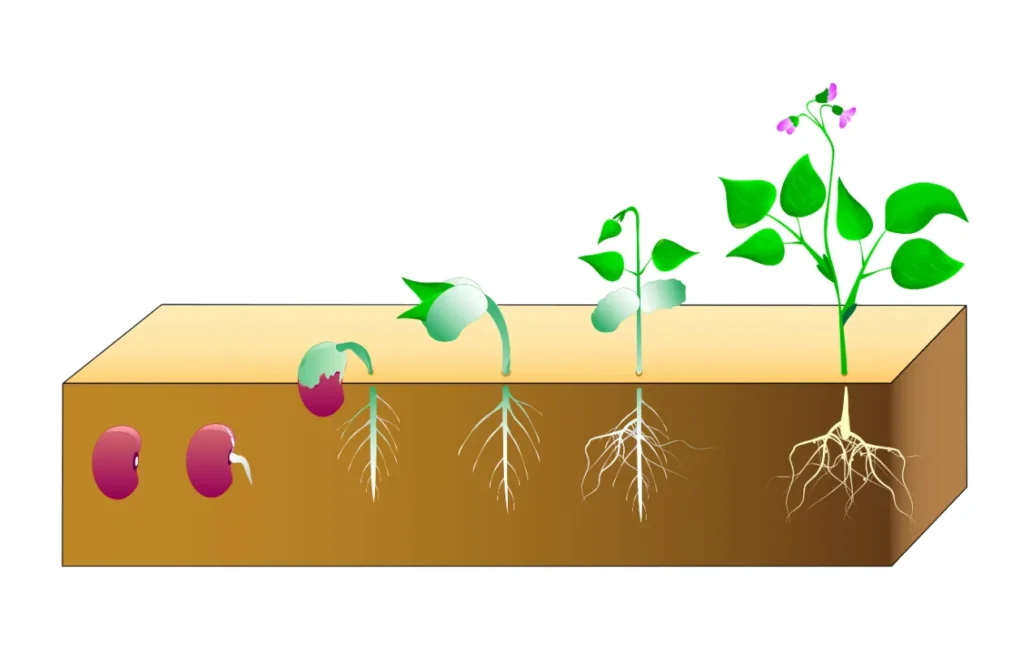
The life cycle begins with a seed containing an embryo and nutrients. Seeds can remain dormant until conditions are favorable.
🌿 Germination Stage
When WaterWater, warmth, and oxygen are available, the seed sprouts. Roots grow downward while shoots grow upward.
🌸 Growth Stage
Leaves develop, enabling photosynthesis. The plant strengthens its structure.
🌼 Flowering Stage
Buds form and bloom into flowers. This is the reproductive phase.
🐝 Pollination and Fertilization
Pollen is transferred, leading to fertilization and seed formation.
🌍 Survival Abilities
- Seeds can survive harsh conditions.
- Some plants adapt to drought or extreme climates.
- Flowers attract pollinators to ensure reproduction.
- Rapid growth cycles help them spread quickly.
These adaptations ensure survival across diverse environments.
Their Reproductive Process and raising their children
Flowers reproduce sexually through pollination and fertilization.
🌸 Key Steps in Reproduction
- Pollination
- Transfer of pollen from anther to stigma via wind, insects, or animals.
- Fertilization
- Male and female cells fuse to form seeds.
- Seed Formation
- Seeds develop inside fruits.
- Seed Dispersal
- Seeds are spread through wind, WaterWater, or animals.
🌱 Raising Their “Children.”
- Seeds contain nutrients for early growth.
- Protective outer coating ensures safety.
- Some plants produce thousands of seeds to increase survival chances.
- Fruits help in attracting animals for seed dispersal.
This process ensures the continuation of plant species.
The importance of them in this Ecosystem
🌍 Oxygen Production
Flowers contribute to oxygen release through photosynthesis.
🐝 Pollinator Support
They provide nectar and pollen for bees, butterflies, and birds.
🌱 Food Source
Many fruits, vegetables, and grains come from flowering plants.
🌿 Soil Protection
Roots prevent soil erosion and improve soil health.
🌎 Biodiversity Maintenance
They support countless organisms in the food chain.
Flowers are essential for ecological balance and human survival.
What to do to protect them in nature and save the system for the future
- 🌱 Plant Native Flowers
- Supports local ecosystems and pollinators.
- 🚫 Avoid Chemical Pesticides
- Protects bees and beneficial insects.
- 💧 Conserve WaterWater
- Use efficient irrigation methods.
- 🌍 Reduce Deforestation
- Preserve natural habitats.
- 🐝 Support Pollinators
- Create bee-friendly gardens.
- ♻️ Practice Sustainable Gardening
- Use organic fertilizers.
- 🌿 Educate Others
- Spread awareness about plant conservation.
- 🌸 Protect Wildflower Areas
- Avoid unnecessary land destruction.
Frequently Asked Questions (FAQs)
1. What are the stages of a flower’s life cycle?
Seed, germination, growth, flowering, pollination, fertilization, and seed dispersal.
2. How do flowers reproduce?
Through pollination and fertilization, leading to seed formation.
3. Why do flowers need pollinators?
They help transfer pollen for reproduction.
4. Can flowers grow without sunlight?
No, sunlight is essential for photosynthesis.
5. What is germination?
The process by which a seed begins to grow into a plant.
6. How are seeds dispersed?
By wind, WaterWater, animals, or gravity.
7. What is the role of flowers in ecosystems?
They provide food, oxygen, and support biodiversity.
8. How can we protect flowering plants?
By reducing pollution, planting more flowers, and protecting habitats.
Conclusion
The life cycle of a flower is a remarkable journey that highlights the beauty and complexity of nature. From a dormant seed to a blooming flower and back to seed production, each stage plays a vital role in sustaining plant life and ecosystems.
Flowers are not only essential for reproduction but also for supporting pollinators, producing oxygen, and providing food for humans and animals. Their ability to adapt and survive in various environments demonstrates their importance in maintaining ecological balance.
By understanding their life cycle, we can better appreciate their role in nature and take steps to protect them. Conserving flowers and their habitats ensures a healthier planet for future generations.
Also Read About: life cycle lightning bug