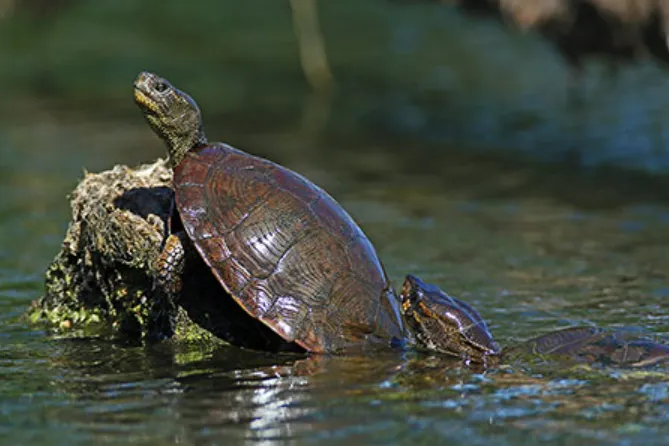
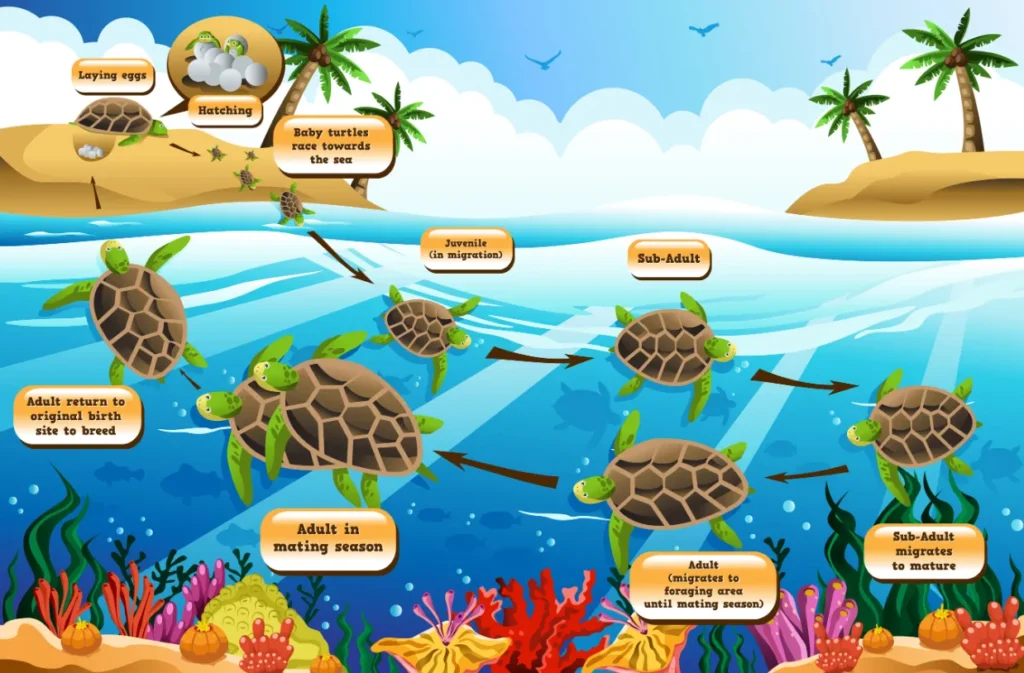
The life cycle of a turtle is one of nature’s most fascinating journeys. From fragile eggs buried in sand to long-lived adults roaming oceans, rivers, or land, turtles represent resilience, patience, and survival. Whether it’s a sea turtle navigating thousands of miles or a snapping turtle defending its territory, each species follows a remarkable life pattern shaped by evolution.
Turtles can live for decades—some even over 100 years—making their life cycle unique among reptiles. Their slow growth, delayed maturity, and strong survival instincts help them thrive in diverse environments.
🔎 Quick Answers (Most Common Questions)
1. How long is the life cycle of a turtle?
Most turtles live between 20 and 80 years, but some species, like giant tortoises, can live over 100 years.
2. How many stages are in a turtle’s life cycle?
The turtle life cycle has four main stages: egg, hatchling, juvenile, and adult.
3. Do all turtles return to the same place to lay eggs?
Yes, many species—especially sea turtles—return to their birthplace to lay eggs.
Quick Life Cycle Table
| Stage | Description | Duration | Survival Rate |
| Egg | Laid in sand or soil, incubates underground | 45–90 days | Low |
| Hatchling | Emerges and heads to water or a safe habitat | A few weeks–months | Very Low |
| Juvenile | Growth phase, learns survival skills | Several years | Moderate |
| Adult | Fully mature, capable of reproduction | 10–100+ years | High |
The History Of Their Scientific Naming
The scientific naming of turtles dates back centuries and reflects their biological classification.
- The word “turtle” comes from the Latin tartaruga, meaning “shelled reptile.”
- Scientifically, turtles belong to the order Testudines, a group defined by their unique shell structure.
- Early naturalists, such as Carl Linnaeus, classified turtles based on shell shape and habitat.
- The family classification includes groups like Cheloniidae (sea turtles) and Chelydridae (snapping turtles).
- Species like the alligator snapping turtle (Macrochelys temminckii) were named based on physical resemblance to other animals.
- Over time, taxonomy evolved using genetic studies, refining turtle classification.
- Modern naming now considers DNA, habitat, and evolutionary traits.
This scientific history highlights how turtles have been studied and categorized for centuries, helping us understand their diversity.
Their Evolution And Their Origin
Turtles are among the oldest reptile groups on Earth, with origins dating back over 220 million years to the late Triassic period.
Early ancestors like Odontochelys had partial shells and teeth, showing transitional features. Over millions of years, turtles evolved their iconic shell—a fusion of ribs and spine—offering unmatched protection.
Unlike other reptiles, turtles developed a slow metabolism and long lifespan, which helped them survive mass extinction events, including the one that wiped out dinosaurs.
Their evolution branched into three main groups:
- Sea turtles: Adapted to ocean life with flippers and streamlined shells
- Freshwater turtles: Thrive in rivers and lakes
- Tortoises: Land dwellers with dome-shaped shells
The snapping turtle evolved powerful jaws and aggressive defence mechanisms, while species like the alligator snapping turtle developed camouflage techniques to ambush prey.
Turtles’ ability to adapt to various environments—marine, freshwater, and terrestrial—explains their global distribution today. Their evolutionary success lies in their protective shell, longevity, and survival instincts.
Their Main Food and Its Collection Process
Turtles are omnivores, herbivores, or carnivores depending on species.
🥗 Common Foods
- Aquatic plants and algae
- Small fish and insects
- Jellyfish (for sea turtles)
- Fruits and vegetables (for land turtles)
- Molluscs and crustaceans
🐢 How They Collect Food
- Foraging slowly: Most turtles move slowly as they search for food.
- Ambush hunting: Snapping turtles stay still and strike quickly.
- Filter feeding: Some species consume water and filter food particles.
- Using smell and vision: Turtles rely heavily on sensory detection.
⚙️ Unique Feeding Adaptations
- Strong jaws in carnivorous turtles
- Beak-like mouth for cutting plants
- Sticky tongue (in alligator snapping turtle) to lure prey
Their feeding habits directly impact ecosystems by controlling populations and maintaining balance.
Their Life Cycle and Ability to Survive in Nature
🥚 Egg Stage
Female turtles lay eggs in nests dug in sand or soil. The temperature determines the sex of hatchlings.
🐣 Hatchling Stage
Hatchlings face extreme danger from predators. Only a small percentage survives.
🧒 Juvenile Stage
Young turtles grow and learn survival skills, such as hiding and foraging.
🐢 Adult Stage
Adults develop strong shells and reproductive capabilities.
Turtles survive due to:
- Protective shells
- Ability to withdraw into shells
- Camouflage
- Slow metabolism requires less food
Their resilience allows them to survive in harsh conditions for decades.
Their Reproductive Process and Raising Their Children
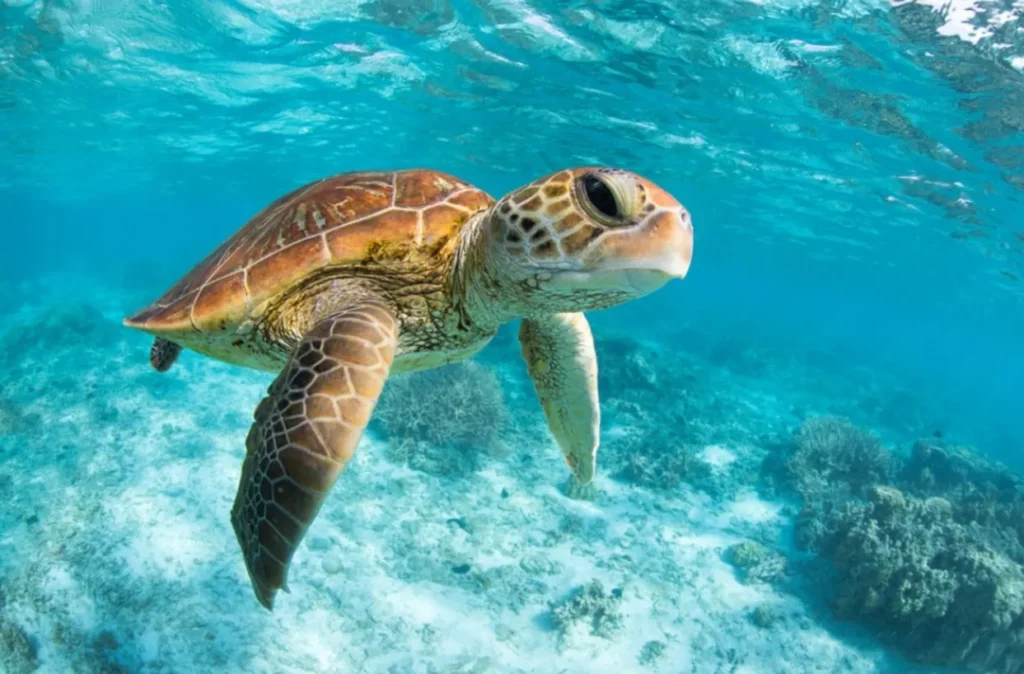
- Female turtles lay 50–200 eggs, depending on species
- Nesting occurs on beaches or riverbanks
- Eggs incubate naturally without parental care
- Hatchlings emerge and instinctively move toward water
- No direct parenting—survival depends on instinct
- Temperature influences gender determination
- Only a few hatchlings reach adulthood
Despite the lack of parental care, turtles rely on large numbers of eggs to ensure the survival of their species.
Importance of Them in this Ecosystem
🌊 Maintaining Marine Balance
Sea turtles control jellyfish populations, preventing ecosystem imbalance.
🌱 Supporting Vegetation Growth
Turtles help spread seeds and maintain the health of aquatic plants.
🐟 Nutrient Cycling
Dead eggs and hatchlings provide nutrients to coastal ecosystems.
🐾 Biodiversity Indicators
Turtle populations indicate environmental health.
Their presence ensures ecosystem stability and biodiversity.
Important Things That You Need To Know
Turtles are not just fascinating creatures—they are also culturally and scientifically significant.
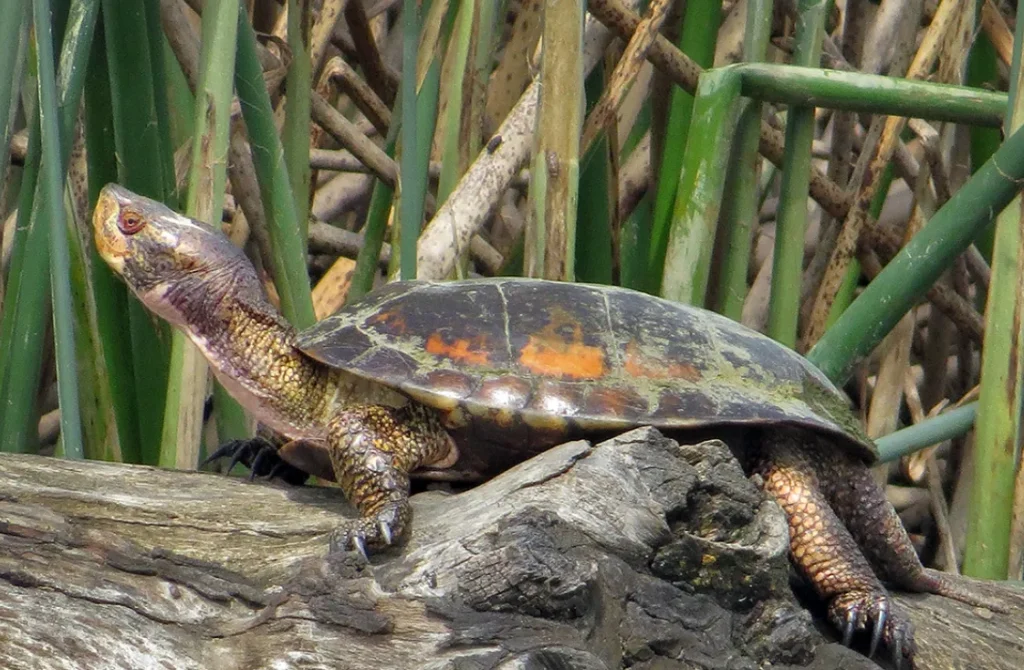
The term “turtle” is often used broadly and encompasses many species, including sea turtles, freshwater turtles, and tortoises. One of the most well-known species is the snapping turtle, famous for its aggressive defence and powerful bite.
Another remarkable species is the alligator snapping turtle, which uses a worm-like tongue to lure prey—a rare hunting strategy in reptiles.
In captivity, turtles are often kept in controlled environments, such as a turtle box, which helps regulate temperature, humidity, and safety. However, improper care can harm their natural behaviour.
Turtles also inspire creativity, from children’s cartoons like Franklin the Turtle to educational tools like turtle drawing, which raise awareness about conservation.
Understanding these aspects helps people connect with turtles beyond biology—through culture, education, and conservation awareness.
What to Do to Protect Them in Nature and Save the System for the Future
- Protect nesting beaches from human disturbance
- Reduce plastic pollution in oceans
- Avoid buying turtle products or illegal pets
- Support conservation organizations
- Use eco-friendly fishing practices
- Educate communities about turtle conservation
- Create protected marine areas
- Reduce light pollution near beaches
- Participate in beach cleanups
- Report illegal wildlife trade
These actions can significantly improve turtle survival rates.
Frequently Asked Questions (FAQs)
1. What are the stages of the turtle life cycle?
Egg, hatchling, juvenile, and adult.
2. How long do turtles live?
Most live 20–80 years; some live to 100 or more.
3. Why do turtles lay many eggs?
To increase survival chances due to high mortality rates.
4. What do baby turtles eat?
Small insects, algae, and plankton.
5. Are turtles endangered?
Yes, many species are threatened due to human activity.
6. How do turtles find their way in the ocean?
They use Earth’s magnetic field and memory.
7. Do turtles take care of their babies?
No, hatchlings are independent from birth.
8. What is special about snapping turtles?
They have powerful jaws and aggressive defence behaviour.
Conclusion
The life cycle of a turtle is a powerful example of nature’s balance and resilience. From vulnerable eggs to long-living adults, turtles face countless challenges yet continue to survive across millions of years.
Their evolutionary adaptations, feeding habits, and ecological importance make them vital to ecosystems worldwide. However, human activities now threaten their existence.
By understanding their life cycle and taking steps to protect them, we can ensure these ancient creatures continue to thrive. Protecting turtles means preserving biodiversity, maintaining ecological balance, and safeguarding the future of our planet.
Also Read About: life cycle of a flower