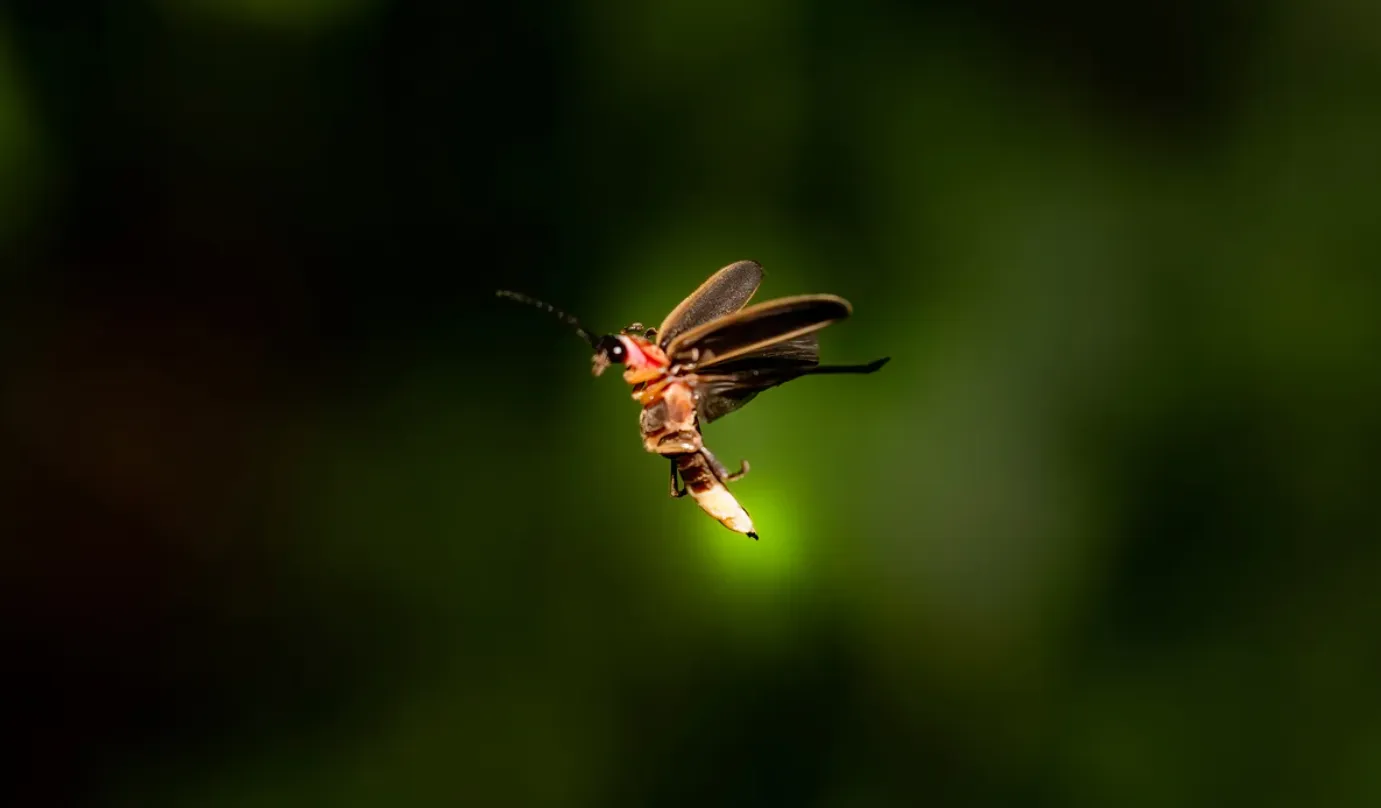
The life cycle of the lightning bug, commonly known as the firefly, is one of nature’s most magical and scientifically intriguing processes. These glowing insects have fascinated humans for centuries, lighting up summer nights with their mesmerizing bioluminescent signals. Whether you call them lightning bugs or fireflies, they belong to the same family—Lampyridae—and play a crucial role in ecosystems around the world.
In recent years (2026 data trends), scientists have raised concerns about declining firefly populations due to habitat loss, light pollution, and climate change. This makes understanding their life cycle and survival strategies more important than ever. By learning how lightning bugs grow, reproduce, and interact with their environment, we can better appreciate their value and take steps to protect them.
Interestingly, many people search for terms like “lightning bug vs. firefly” to find out whether they are different species. In reality, the difference is mostly regional—Americans in the South and Midwest often say “lightning bug,” while others prefer “firefly.” Despite the naming differences, their biology and life cycle remain the same.
From tiny glowing larvae to enchanting flying adults, lightning bugs undergo a complete transformation. Their ability to produce light through a chemical reaction called bioluminescence is not just beautiful—it’s essential for survival and communication.
In this comprehensive guide, we will explore their origin, evolution, scientific naming history, life cycle stages, reproductive behavior, ecological importance, and how you can help protect these glowing wonders for future generations.
Their Evolution And Their Origin
Lightning bugs, or fireflies, have a long evolutionary history that dates back millions of years. Fossil evidence suggests that these glowing insects existed during the Cretaceous period, over 100 million years ago. This makes them one of the oldest known groups of bioluminescent organisms on Earth.
Fireflies belong to the beetle order Coleoptera, which is one of the largest insect groups. Their evolution is closely linked to their unique ability to produce light. Scientists believe that early fireflies developed bioluminescence primarily as a defense mechanism. The glowing signals warned predators that the prey was toxic or unpalatable.
Over time, this glowing ability evolved into a communication tool, especially for mating. Different species developed distinct flashing patterns, enabling males and females to identify one another. This evolutionary adaptation significantly increased their reproductive success.
Their origin is believed to be in tropical regions with high biodiversity. Today, lightning bugs are found worldwide, especially in warm, humid environments such as forests, wetlands, and grasslands. Asia and North America host some of the most diverse species populations.
Environmental changes over millions of years have shaped their behavior and survival strategies. For example, larvae adapted to live underground or in moist soil, feeding on snails and worms. Adults, on the other hand, evolved wings and flight abilities to locate mates.
Modern genetic studies (as of 2026) reveal that fireflies share a common ancestor with other glowing beetles. However, their bioluminescent systems evolved independently multiple times, making them a fascinating subject in evolutionary biology.
Their continued survival depends heavily on stable ecosystems. Rapid urbanization and artificial lighting are now interfering with their evolutionary traits, particularly their mating signals.
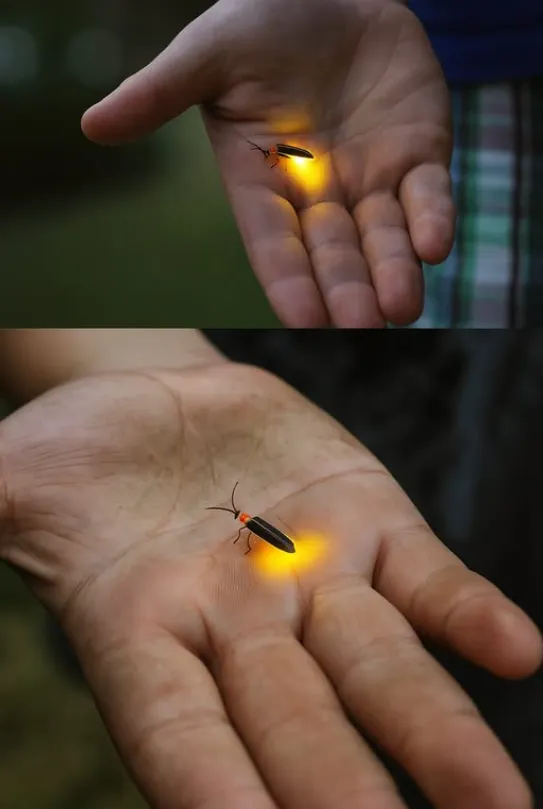
The History of Their Scientific Naming
The scientific classification of lightning bugs has evolved as researchers gained a better understanding of their biology. Here are key points about their naming history:
- Family Name (Lampyridae):
- Lightning bugs belong to the family Lampyridae. The name comes from the Greek word “lampein,” meaning “to shine.”
- Order Classification:
- They are part of the order Coleoptera, which includes all beetles. This classification was established in early entomological studies.
- Early Scientific Records:
- The first formal descriptions of fireflies date back to the 18th century, when European naturalists began documenting glowing insects.
- Species Diversity:
- Today, scientists have identified over 2,000 species of fireflies worldwide, each with unique flashing patterns.
- Naming Variations:
- Common names like lightning bug and firefly are not scientific but are used regionally. Both refer to the same insect family.
- Modern Taxonomy Advances (2026):
- DNA sequencing has refined classification, helping scientists identify new species and understand evolutionary relationships.
- Bioluminescence Study Influence:
- Their ability to produce light has made them important in scientific research, influencing how they are categorized.
The scientific naming of lightning bugs reflects both their glowing nature and their importance in biological research.
Important Things That You Need To Know
When exploring the life cycle of lightning bugs, it’s also important to understand commonly searched topics and related terms. Here are some key insights:
The debate between lightning bug and firefly, or firefly and lightning bug, often confuses people. In reality, both names describe the same insect, and the difference is purely regional.
The popularity of lightning bug tattoo designs reflects their symbolic meaning—hope, light in darkness, and transformation. Many cultures associate fireflies with spiritual guidance.
In pop culture, the lightning bug from The Princess and the Frog—named Ray—has made these insects even more beloved, especially among younger audiences.
Interestingly, locations like the Lightning Bug Golf Course highlight how these insects inspire naming in real-world places, underscoring their cultural significance.
Overall, lightning bugs are not just insects—they are symbols, scientific wonders, and ecological indicators.
Their life cycle and ability to survive in nature
The life cycle of the lightning bug consists of four main stages, similar to those of other beetles. Each stage plays a critical role in their survival:
- Egg Stage:
- Female fireflies lay eggs in moist soil or leaf litter. Some species’ eggs can even glow faintly.
- Larval Stage (Glowworms):
- Larvae live underground and are active predators. They feed on snails, worms, and other soft-bodied insects.
- This stage can last up to two years, making it the longest phase.
- Pupal Stage:
- During this stage, larvae transform into adults. This process occurs in the soil and lasts a few weeks.
- Adult Stage:
- Adult lightning bugs emerge with wings and glowing organs. Their primary goal is reproduction.
- Many adults live for only a few weeks.
Survival Adaptations:
- Bioluminescence helps deter predators
- Toxic chemicals make them unappealing to eat
- Nocturnal behavior reduces risk from predators
- Moist habitats prevent dehydration
Their survival depends heavily on environmental conditions, especially humidity and darkness.
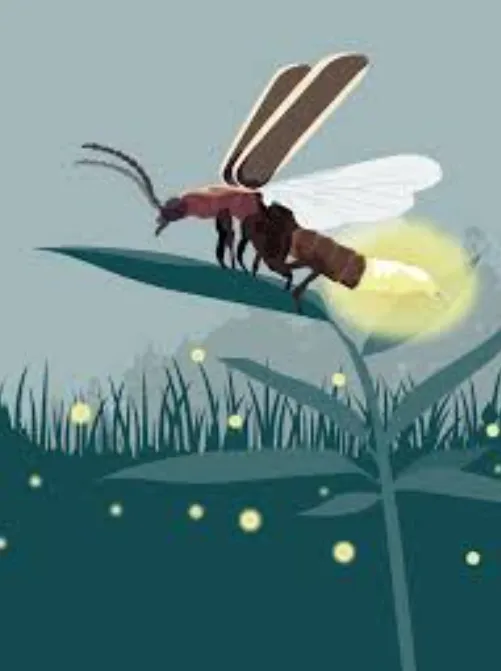
Their Reproductive Process and raising their children
Lightning bugs have a unique and fascinating reproductive system based on light communication:
- Flash Communication:
- Males fly and emit specific light patterns to attract females.
- Species-Specific Signals:
- Each species has its own flashing rhythm, ensuring correct mating.
- Female Response:
- Females respond from the ground or vegetation with matching signals.
- Mating Process:
- Once attracted, the male locates the female, and mating occurs.
- Egg Laying:
- Females lay eggs in moist soil to ensure survival.
- Parental Role:
- Fireflies do not actively raise their young. However, they choose safe environments for egg laying.
- Larval Independence:
- Larvae are self-sufficient predators from birth.
This efficient reproductive strategy ensures the species’ survival despite short adult lifespans.
The importance of them in the ecosystem
Lightning bugs play a vital role in maintaining ecological balance:
- Natural Pest Control:
- Larvae feed on harmful pests like snails and slugs.
- Food Source:
- They serve as prey for birds, frogs, and spiders.
- Indicator Species:
- Their presence indicates a healthy environment.
- Pollination Contribution:
- Some adult fireflies contribute to pollination.
- Scientific Research:
- Their bioluminescence is used in medical and genetic studies.
- Biodiversity Support:
- They contribute to overall ecosystem diversity.
The decline of fireflies is a warning sign of environmental imbalance.
What to do to protect them in nature and save the system for the future
Protecting lightning bugs is essential for ecological health. Here are practical steps you can take:
- Reduce outdoor lighting to minimize light pollution
- Use warm, low-intensity lights instead of bright LEDs
- Preserve natural habitats like forests and wetlands
- Avoid using pesticides and harmful chemicals
- Maintain moist soil and natural vegetation in gardens
- Create firefly-friendly spaces with native plants
- Support conservation programs and awareness campaigns
- Educate others about the importance of fireflies
These small actions can make a big difference in preserving their population.
Frequently Asked Questions (FAQs)
1. Are lightning bugs and fireflies the same?
Yes, they are the same insect. The difference is only in regional naming.
2. How long do lightning bugs live?
Their life cycle can last up to 2 years, but adults live only a few weeks.
3. Why do lightning bugs glow?
They glow to attract mates and warn predators.
4. Are lightning bugs dangerous?
No, they are harmless to humans but toxic to some predators.
5. Where do lightning bugs live?
They prefer moist environments like forests, fields, and wetlands.
6. What do lightning bug larvae eat?
They feed on snails, worms, and other small insects.
7. Why are fireflies disappearing?
Habitat loss, light pollution, and climate change are major reasons.
8. Can I attract lightning bugs to my garden?
Yes, by reducing light pollution and maintaining natural vegetation.
Conclusion
The life cycle of the lightning bug is a remarkable journey that highlights the beauty and complexity of nature. From glowing eggs to predatory larvae and finally to enchanting adult fireflies, each stage serves a purpose in maintaining ecological balance. Their bioluminescent ability is not just visually stunning but also essential for survival and reproduction.
In today’s rapidly changing world (2026), lightning bugs face increasing threats from urbanization, pollution, and climate change. Their declining population is a clear indicator that our ecosystems are under stress. Protecting them is not just about preserving a beautiful insect—it’s about safeguarding biodiversity and environmental health.
Understanding their evolution, scientific classification, and ecological role allows us to appreciate their importance on a deeper level. Moreover, simple actions such as reducing artificial lighting, avoiding pesticides, and preserving natural habitats can significantly improve their survival.
Lightning bugs also hold cultural and emotional value, symbolizing hope, transformation, and light in darkness. Whether admired in nature, represented in art, or featured in popular media, they continue to inspire people worldwide.
By taking responsibility today, we can ensure that future generations will still experience the magical glow of fireflies lighting up the night sky. Protecting lightning bugs means protecting the balance of nature itself—and that is something truly worth preserving.
Also Read About: Life Cycle in Ferns