The life cycle of an axolotl is one of the most fascinating processes in the animal kingdom. Axolotls are unique amphibians that spend their entire lives underwater while retaining characteristics that other amphibians lose as they mature. Native to the ancient lakes of Mexico, particularly Lake Xochimilco, these remarkable creatures have captured global attention because of their unusual biology, regenerative abilities, and adorable appearance.
Unlike frogs or salamanders that undergo full metamorphosis, the axolotl remains in its larval form throughout its life. This phenomenon is called neoteny, meaning the animal retains juvenile traits even as it matures sexually. Because of this, axolotls maintain their feathery external gills and aquatic lifestyle, rather than transitioning to a land-dwelling adult stage.
In recent years, axolotls have gained massive popularity online. From viral photos of a cute axolotl to video game appearances like the axolotl Minecraft creature, these amphibians have become cultural icons as well as subjects of scientific research. Scientists study axolotls extensively because they can regenerate limbs, spinal cords, and even parts of their brains.
However, despite their popularity in aquariums and online, wild axolotls are critically endangered. Habitat loss, pollution, and invasive species threaten their survival in nature.
Understanding the life cycle of an axolotl helps scientists, conservationists, and pet owners protect this extraordinary species. From the egg stage to adulthood and reproduction, each stage of their life provides insight into how these animals survive, grow, and reproduce in the wild.
In this article, we will explore the evolution, scientific history, life cycle, reproduction, and ecological importance of axolotls, and discuss how humans can help preserve them for future generations.
Their Evolution And Their Origin
The evolutionary story of the axolotl traces back millions of years to the ancient salamander lineage. Axolotls belong to the Ambystomatidae family, a group of mole salamanders found primarily in North America.
Scientists believe that axolotls evolved in the freshwater lake systems of central Mexico. These lakes were formed after volcanic activity thousands of years ago, creating a unique aquatic ecosystem that allowed axolotls to develop specialized adaptations.
Ancient Origins
Axolotls are closely related to tiger salamanders. Most salamanders undergo metamorphosis and transition to a terrestrial lifestyle, but axolotls evolved differently.
Instead of leaving the water, they remained aquatic. This adaptation enabled them to thrive in deep-lake environments where oxygen levels fluctuate.
Evolutionary Adaptations
Several evolutionary traits make axolotls unique:
- Neoteny: Axolotls retain larval characteristics, such as gills, throughout their lives.
- Regeneration: They can regrow limbs, tails, organs, and nerve tissue.
- Aquatic specialization: Their bodies are designed for a fully aquatic life cycle.
These adaptations allowed axolotls to survive environmental changes that might have eliminated other amphibian species.
Cultural Origin
The name “axolotl” comes from the Nahuatl language. It roughly translates to “water monster” or “water dog.” According to Aztec mythology, the axolotl was associated with the god Xolotl, who transformed himself into this creature to escape sacrifice.
Habitat History
Historically, axolotls inhabited two major lakes near Mexico City:
- Lake Xochimilco
- Lake Chalco
Unfortunately, Lake Chalco has disappeared due to urban development. Today, the remaining wild population survives mainly in the canals of Xochimilco.
Modern Scientific Importance
Axolotls have become extremely important for biological research. Their genome was fully sequenced in 2018, revealing one of the largest animal genomes ever studied.
Because of their regenerative capabilities, researchers believe axolotls could help unlock future treatments for spinal injuries, organ damage, and tissue regeneration.
The evolutionary journey of the axolotl demonstrates how environmental conditions and genetic adaptations can create one of the most extraordinary amphibians on Earth.
The History of Their Scientific Naming
The scientific naming of axolotls reflects centuries of biological discovery and classification.
Below are the key milestones in their scientific history:
1. Original Scientific Classification
The axolotl’s scientific name is Ambystoma mexicanum.
This classification places it in the family Ambystomatidae, the salamander family.
2. Early Scientific Discovery
European scientists first documented axolotls in the 18th Century when explorers brought specimens from Mexico to Europe. These early discoveries sparked interest because the animals looked like larval salamanders but were capable of reproduction.
3. Research in the 19th Century
During the 1800s, French zoologist Auguste Duméril studied axolotls extensively. His research revealed that these creatures could reproduce while still in their larval stage.
This discovery introduced the concept of neoteny to the scientific community.
4. Classification within Salamanders
Scientists later confirmed that axolotls were closely related to tiger salamanders. Genetic analysis showed that they share a common ancestor with other mole salamanders.
5. Modern Genetic Research
In the 21st Century, scientists sequenced the axolotl genome. This massive genome contains more than 32 billion base pairs, about 10 times the size of the human genome.
6. Importance in Regeneration Studies
Because of their regenerative abilities, axolotls are now used as model organisms in laboratories worldwide.
Their scientific name, Ambystoma mexicanum, continues to represent one of the most-studied amphibians in biological science.
Important Things That You Need To Know
Axolotls have gained worldwide popularity not only for their biology but also for their presence in internet culture, gaming, toys, and art. Several related topics and trends are commonly associated with these amphibians.
Axolotl in Minecraft
The axolotl Minecraft mob was introduced in the Minecraft Caves & Cliffs Update. Players can find these creatures in underground water areas.
Minecraft axolotls help players fight underwater enemies, making them valuable companions.
Cute Axolotl Trend
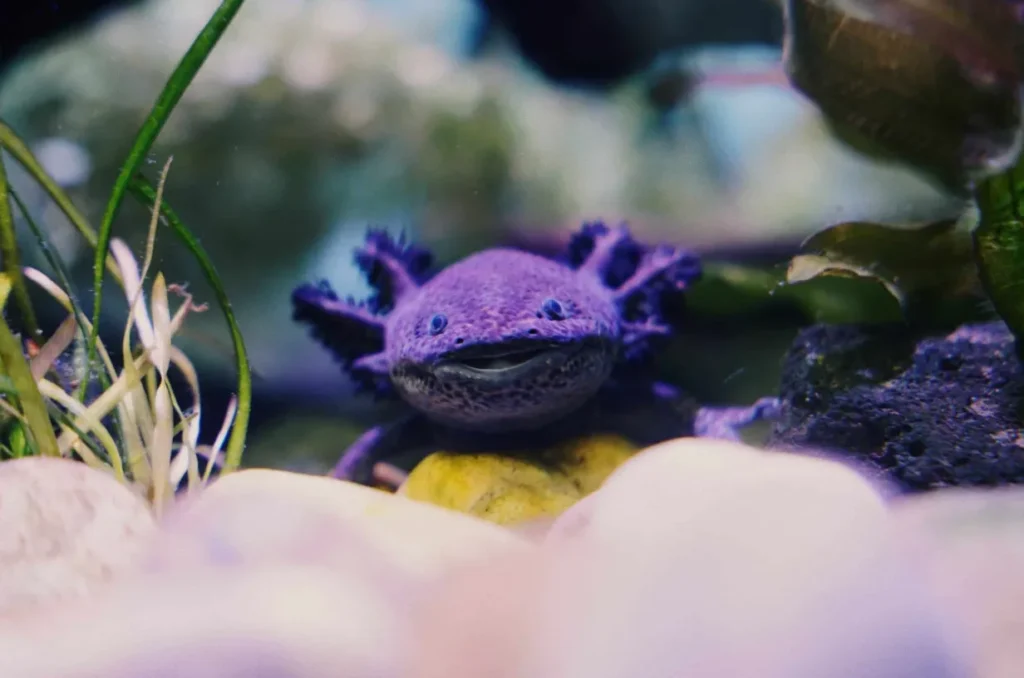
The cute axolotl has become an internet sensation. Their smiling faces, pink feathery gills, and tiny limbs make them extremely photogenic.
Social media platforms are filled with videos and pictures of these adorable amphibians.
Baby Axolotl
A baby axolotl looks similar to an adult but smaller and more delicate. Young axolotls grow quickly when provided with proper food and water conditions.
They typically reach maturity within 6–12 months.
Axolotl Drawing and Art
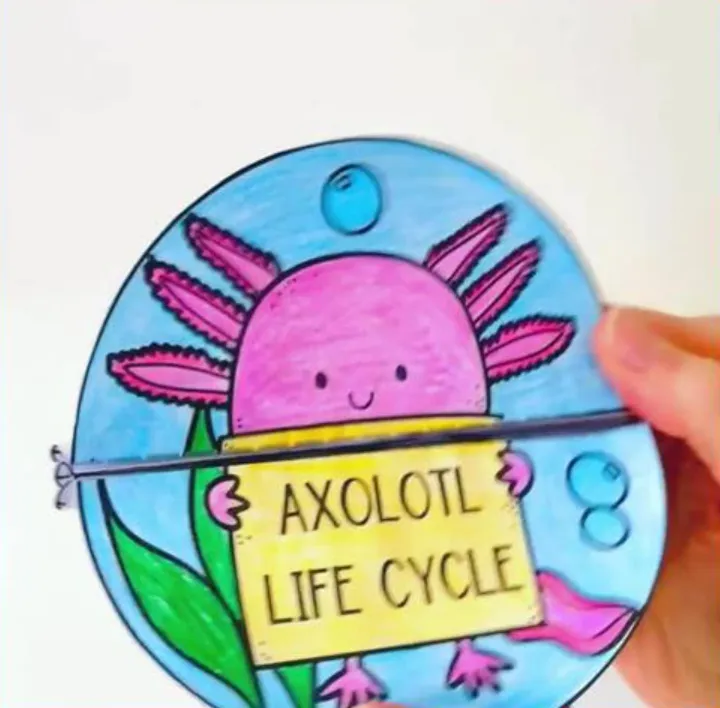
The unique appearance of axolotls has inspired artists around the world. Many tutorials teach people how to create an axolotl drawing, making it a popular subject in educational art projects.
Axolotl Plush Toys
Merchandise such as axolotl squishmallow plush toys has become very popular. The amphibian’s charming look inspires these soft toys.
Coloring Activities
Educational materials often include axolotl coloring page worksheets for children. These activities help teach kids about amphibians and wildlife conservation.
These cultural trends have increased awareness of axolotls and, by extension, support conservation efforts worldwide.
Their life cycle and ability to survive in nature
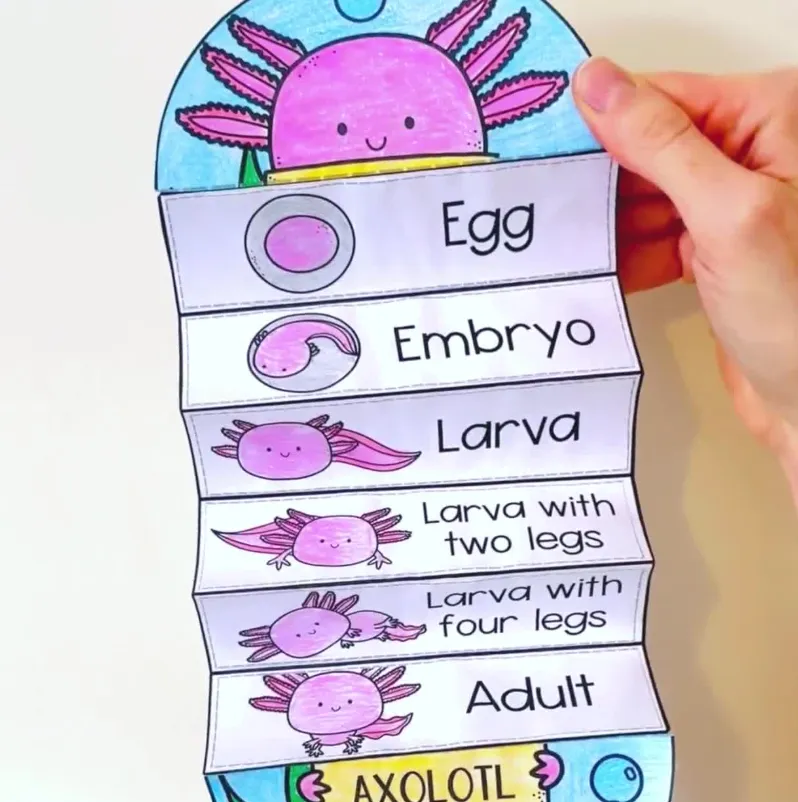
The life cycle of an axolotl is unique compared with that of most amphibians. Instead of transforming into land animals, axolotls remain aquatic throughout their lives.
Below are the key stages of their life cycle:
1. Egg Stage
Female axolotls lay hundreds of eggs during reproduction. These eggs attach to underwater plants or rocks.
Within 10–14 days, the eggs hatch into larvae.
2. Larval Stage
The larvae resemble miniature axolotls but are very fragile. They begin feeding on small aquatic organisms such as plankton and tiny worms.
During this stage, their gills develop, and they become more active swimmers.
3. Juvenile Stage
After several weeks, the young axolotls grow larger and develop stronger limbs. Their diet expands to include small insects and aquatic creatures.
4. Adult Stage
Adult axolotls reach maturity within 6 to 12 months. They continue living underwater with their external gills intact.
Survival Strategies
Axolotls have several abilities that help them survive in nature:
- Regeneration: They can regrow lost limbs and body parts.
- Camouflage: Their natural coloring helps them blend with aquatic plants.
- Efficient hunting: They use suction feeding to capture prey quickly.
- Cold-water adaptation: Axolotls prefer cooler temperatures, which helps regulate their metabolism.
These survival traits have enabled axolotls to remain among the most resilient amphibians in freshwater ecosystems.
Their Reproductive Process and raising their children
Axolotl reproduction is a fascinating process that involves courtship behaviors and external fertilization.
Below are the key steps:
1. Courtship Behavior
Male axolotls initiate courtship by performing a dance-like movement in front of the female.
This behavior encourages the female to follow him.
2. Spermatophore Transfer
Instead of direct mating, the male deposits a spermatophore, which is a small packet of sperm.
The female picks it up with her cloaca, allowing fertilization to occur internally.
3. Egg Laying
After fertilization, the female lays 300–1000 eggs on aquatic plants and surfaces.
Each egg is individually attached for protection.
4. Egg Development
The eggs develop over about two weeks before hatching.
Temperature and water quality strongly affect egg survival.
5. Raising the Young
Axolotls do not provide parental care. Once the eggs hatch, the larvae must survive on their own.
Young axolotls often hide among plants to avoid predators.
Despite the lack of parental care, the large number of eggs increases the chances that some will survive to adulthood.
The importance of them in the ecosystem
Axolotls play an essential role in freshwater ecosystems, particularly in the lakes and canals where they naturally live.
1. Controlling Insect Populations
Axolotls feed on insects, worms, and small aquatic animals. This helps control insect populations in freshwater environments.
2. Maintaining Ecological Balance
By acting as both predators and prey, axolotls contribute to the balance of aquatic food chains.
3. Indicator Species
Axolotls are sensitive to pollution and to changes in water quality. Their presence indicates a healthy ecosystem.
4. Supporting Biodiversity
The habitats where axolotls thrive often support many other species, including fish, birds, and aquatic plants.
5. Scientific and Medical Value
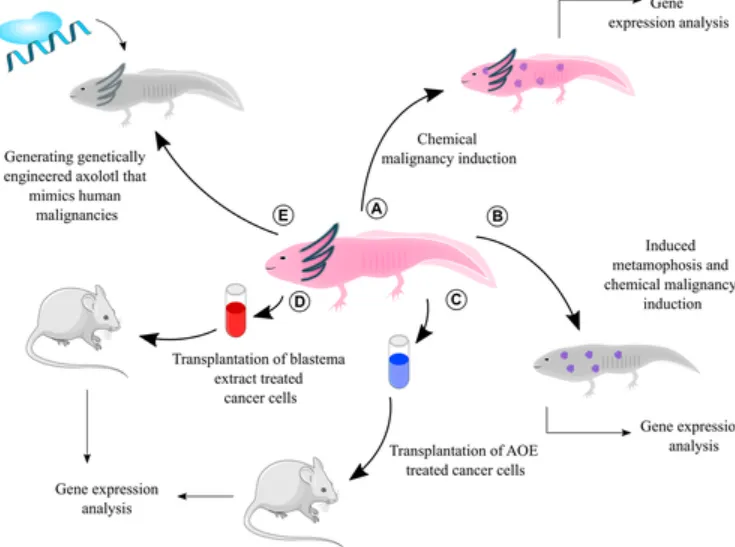
Axolotls are extremely valuable for research on regeneration, genetics, and medicine. Their biological capabilities may help scientists develop treatments for human injuries.
6. Educational Importance
Axolotls are widely used in classrooms and research labs, helping students learn about amphibian biology and environmental conservation.
Because of these ecological roles, protecting axolotls also protects the broader aquatic ecosystems they inhabit.
What to do to protect them in nature and save the system for the future
Protecting axolotls requires both conservation efforts and public awareness. Below are several actions that can help ensure their survival.
- Protect Natural Habitats
- Governments and conservation groups must preserve the canals and wetlands of Xochimilco, where axolotls live.
- Reduce Water Pollution
- Limiting the use of agricultural chemicals, sewage, and plastic waste helps maintain clean freshwater habitats.
- Control Invasive Species
- Non-native fish such as carp and tilapia threaten axolotls by eating their eggs and competing for food.
- Support Conservation Programs
- Organizations worldwide run breeding programs designed to increase axolotl populations.
- Promote Responsible Pet Ownership
- People who keep axolotls as pets should never release them into the wild because this can disrupt ecosystems.
- Increase Public Awareness
- Educational programs and wildlife campaigns help people understand why axolotls are important.
- Support Scientific Research
- Continued research into axolotl genetics and ecology helps scientists develop better conservation strategies.
- Encourage Sustainable Tourism
- Eco-friendly tourism in Xochimilco can help fund conservation efforts.
If humans take these actions seriously, future generations will still be able to witness the remarkable life cycle of axolotls in their natural environment.
Frequently Asked Questions (FAQs)
1. What is the life cycle of an axolotl?
The life cycle includes egg, larval, juvenile, and adult stages. Unlike most amphibians, axolotls remain aquatic throughout their entire lives.
2. How long do axolotls live?
In captivity, axolotls can live 10–15 years with proper care.
3. Why do axolotls not undergo metamorphosis?
Axolotls exhibit neoteny, meaning they keep larval traits and stay aquatic even after reaching adulthood.
4. Where do axolotls live in the wild?
Wild axolotls live primarily in the Xochimilco canal system in Mexico City.
5. What do axolotls eat?
Their diet includes worms, insects, small fish, and crustaceans.
6. Can axolotls regenerate limbs?
Yes. Axolotls can regenerate limbs, spinal cord tissue, and parts of their organs.
7. Why are axolotls endangered?
Habitat destruction, pollution, and invasive species are the main reasons for their declining population.
8. Are axolotls good pets?
Axolotls can be good pets for experienced aquarium keepers because they require clean, cool water and specialized care.
Conclusion
The life cycle of an axolotl represents one of the most extraordinary biological processes found in nature. From their humble beginnings as tiny eggs attached to aquatic plants to their full maturity, axolotls display a remarkable combination of resilience and adaptability.
Unlike most amphibians, axolotls maintain their larval characteristics throughout their lives. This unique trait, known as neoteny, allows them to remain aquatic while still reaching reproductive maturity. Their distinctive feathery gills, flat heads, and permanent smiles have made them one of the most recognizable amphibians in the world.
Beyond their adorable appearance, axolotls hold immense scientific value. Their ability to regenerate limbs, organs, and even parts of their nervous system has fascinated researchers for decades. These regenerative powers may one day contribute to breakthroughs in medicine, potentially helping scientists develop treatments for human injuries and diseases.
However, despite their popularity in aquariums, toys, and even video games like Minecraft, wild axolotl populations face serious threats. Urban expansion, pollution, and invasive species have drastically reduced the natural habitat of Lake Xochimilco in Mexico.
Protecting axolotls requires global awareness, responsible environmental practices, and continued conservation efforts. By preserving their habitats, supporting scientific research, and educating the public, we can ensure that these extraordinary amphibians continue to thrive.
The story of the axolotl is not just about an unusual amphibian—it is a reminder of the delicate balance within ecosystems and the responsibility humans have to protect the natural world for generations to come.