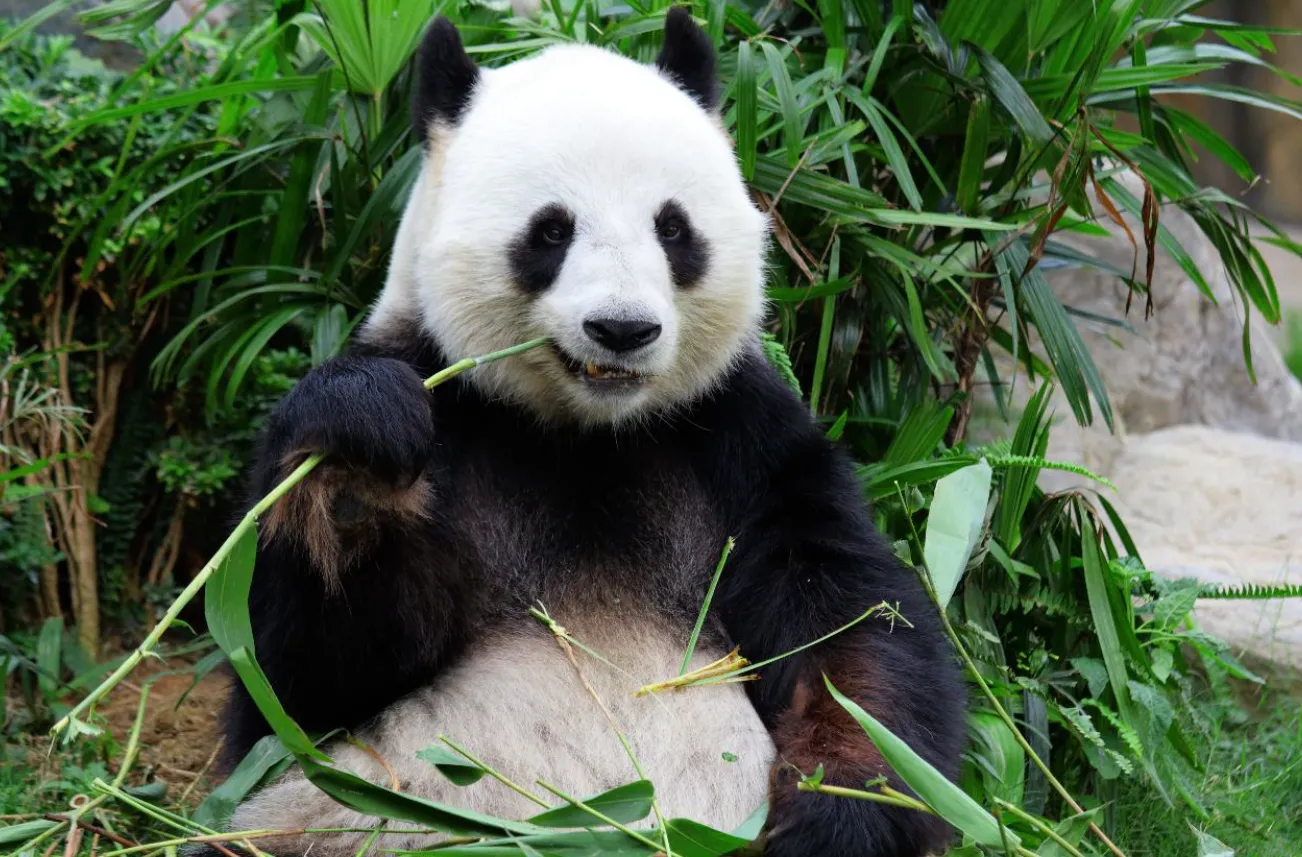
Pandas, often recognized as one of the most beloved and iconic species, have captured the hearts of people worldwide with their distinctive black-and-white fur and calm, endearing behavior. However, behind the panda’s adorable appearance lies an extraordinary life cycle that is crucial to its survival in the wild.
These fascinating creatures have unique reproductive habits, diets, and behaviors that make them among the most intriguing species on Earth. Understanding the full life cycle of the panda can shed light on the challenges and needs of these animals and help improve conservation efforts for their endangered population.
Pandas are largely known for their reliance on bamboo, their solitary nature, and their sensitive reproductive cycle. These traits, combined with habitat loss and human activities, have made the panda one of the most endangered animals on the planet. Today, conservationists are working hard to protect pandas and preserve their habitat, but the journey from birth to adulthood is fraught with challenges.
Quick Answers to the Most Common Questions About Pandas:
- What is the life span of a panda?
- In the wild, pandas typically live to be around 20 years old, but in captivity, where they receive medical care and a stable food supply, they can live up to 30 years or more.
- What do pandas eat?
- Pandas are primarily herbivores, and about 99% of their diet consists of bamboo. They occasionally consume other plants or small animals, but bamboo remains their main food source.
- How many pandas are left in the wild?
- As of recent estimates, there are around 1,864 pandas left in the wild, making them a vulnerable species. Conservation efforts, however, are beginning to show positive results.
Quick Life Cycle Table
| Stage | Description |
| Birth | Pandas are born weighing only about 100-200 grams and are entirely dependent on their mother. |
| Juvenile | Cubs begin to crawl and explore at around 3 months and start eating bamboo by 8 months. |
| Adulthood | Pandas reach sexual maturity between 4 and 7 years of age. They live solitary lives. |
| Reproductive | The mating season occurs in spring, and females are fertile for a short 2-3 day window. |

The History Of Their Scientific Naming
The scientific name of the panda, Ailuropoda melanoleuca, was first introduced by French missionary and naturalist Père Armand David in 1869. The name “Ailuropoda” comes from the Greek words ailuros (cat) and pous (foot), referring to the panda’s cat-like appearance. At the same time, “melanoleuca” means “black and white” in Greek, which describes the panda’s iconic color pattern.
The history of the panda’s naming reflects its uniqueness among other members of the bear family. It was initially thought to be a type of raccoon before scientists realized that the panda was, in fact, a distinct species of bear. Despite this early confusion, the panda has remained an important symbol in both scientific research and conservation. Over the years, the panda’s scientific name has remained a marker of the animal’s distinctiveness, helping fuel global efforts to protect them and their shrinking habitat.
Their Evolution and Their Origin
Pandas are an evolutionary enigma: they belong to the bear family (Ursidae) but diverged from other bear species around 20 million years ago. Unlike most bears, which are omnivorous, pandas developed a specialized diet consisting almost entirely of bamboo. Their evolution into bamboo specialists is a rare and fascinating example of dietary adaptation.
Pandas’ ancestors were carnivores, much like other members of the bear family, but over time, the panda’s reliance on bamboo became a defining characteristic. The panda’s digestive system is still more suited to a carnivorous diet, which means it has to consume large quantities of bamboo daily to meet its nutritional needs. This dietary shift allowed the panda to exploit the bamboo forests of China, where competition from other species that had adapted to eating bamboo was limited.
The panda’s origin lies in China, where dense bamboo forests in mountainous regions served as its primary habitat. The panda’s reliance on bamboo, however, has made them vulnerable to environmental changes. With the loss of bamboo forests due to logging and other human activities, the panda’s survival has become increasingly difficult, making their conservation a high priority.
Their Main Food and Its Collection Process
Pandas are herbivores with a specialized diet consisting almost exclusively of bamboo. Bamboo makes up about 99% of a panda’s diet, though they occasionally eat other plants and small animals. Bamboo, however, is low in calories, which means pandas must consume vast amounts to meet their energy needs.
The Food Collection Process:
- Bamboo Selection: Pandas are selective feeders. They prefer young, tender bamboo shoots, leaves, and stems, as these parts are richer in nutrients.
- Foraging Behavior: Pandas spend 10-16 hours a day foraging for bamboo, eating up to 38 kilograms (84 pounds) per day to maintain their energy levels.
- Eating Mechanics: Using their strong molars, pandas crush and grind the bamboo, while their unique “thumb,” an extended wrist bone, helps them hold the bamboo stalks effectively.
- Digestion: Although bamboo is tough to digest, pandas have adapted to break it down in their large, slow-moving digestive system. They need to eat such a large amount because bamboo is low in calories.
Pandas’ specialized diet and food-hunting processes make them vulnerable to environmental changes. The loss of bamboo forests due to deforestation or environmental shifts can threaten their food supply and survival.
Their Life Cycle and Ability to Survive in Nature
Life Cycle Overview
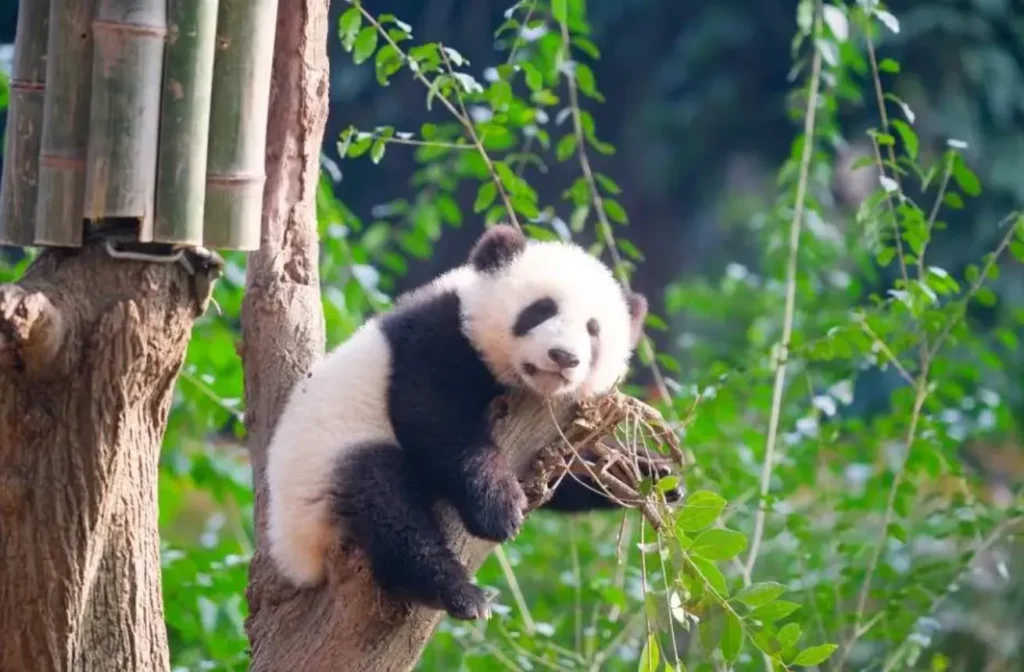
Pandas go through a fascinating, slow-paced life cycle, beginning with their birth as tiny, helpless cubs and ending as solitary adults who roam vast forest territories. The panda’s life cycle is a process of growth and independence, with each stage carefully adapted to help them survive in their particular environment.
Survival in Nature:
- Infancy (0-1 year): Cubs are born small, weighing about the size of a stick of butter, and are entirely dependent on their mothers. They stay in the den, nursing and growing stronger.
- Juvenile (1-2 years): At around 6 months, panda cubs begin eating solid food, though they still rely on their mother’s milk. Cubs begin exploring their surroundings and learning about their environment, including how to climb and forage.
- Adulthood (4-7 years): Pandas reach sexual maturity at around 4 to 7 years. At this point, they become independent and begin to establish their own territories in the wild.
Pandas have adapted well to their environment, with strong survival skills such as climbing and a keen sense of smell. However, the survival of pandas is closely tied to the availability of bamboo, and any disruption to their habitat can threaten their population.
Their Reproductive Process and Raising Their Children
Pandas have a unique and complicated reproductive cycle that makes their survival even more delicate. Females are fertile only for 2-3 days a year during the breeding season, typically occurring in the spring. Males compete for access to females during this short window, which makes the chances of successful reproduction quite low.
- Mating: During the mating season, males will compete for the attention of females. After mating, the female panda may give birth to one or two cubs, though it is rare for both cubs to survive.
- Pregnancy and Birth: Pregnancy lasts about five months, with the mother giving birth to a very small, helpless cub weighing only around 100-200 grams at birth.
- Raising Cubs: The mother cares for her cub, providing it with milk and warmth. Cubs remain dependent on their mothers for 1-2 years before becoming independent. During this time, they learn the essential survival skills needed to thrive in the wild.
The reproductive process of pandas is one of the reasons why their population is so limited. With low birth rates and long maturation periods, conservation programs must focus on protecting mother pandas and cubs during the early stages of life.
Importance of Pandas in the Ecosystem
Ecological Role of Pandas
Pandas play a crucial role in maintaining the balance of their ecosystem, particularly in bamboo forests. Eating bamboo helps prevent it from overgrowing, allowing other plant species to thrive. Additionally, pandas help disperse bamboo seeds, promote the growth of new bamboo shoots, and support the regeneration of their habitat.
Pandas’ presence also indirectly supports a variety of other species that share their habitat. From insects to other mammals, the panda’s influence on its environment helps maintain biodiversity and ensures a healthy ecosystem. As a keystone species, the panda’s survival is intertwined with the well-being of many other organisms that rely on the same habitat.
What to Do to Protect Them in Nature and Save the System for the Future
To ensure the survival of pandas, several proactive measures need to be taken:
- Preserve their Habitat: Protect bamboo forests from deforestation to ensure a stable food supply for pandas.
- Enhance Breeding Programs: Support captive breeding programs to increase the panda population.
- Combat Poaching: Strengthen anti-poaching laws to protect pandas from illegal hunting.
- Promote Awareness: Educate the public about the importance of pandas in the ecosystem and how their conservation benefits global biodiversity.
- Sustainable Practices: Encourage sustainable farming practices that do not encroach on panda habitats and work toward forest regeneration.
Frequently Asked Questions (FAQs)
- What is the life expectancy of a panda?
- Pandas can live up to 20 years in the wild and 30 years in captivity, with some individuals living even longer with proper care.
- How do pandas mate?
- Pandas only have a brief fertility window during the spring mating season. Males compete for access to females, and mating is rare during this short period.
- Why is bamboo important to pandas?
- Bamboo is the primary food source for pandas, providing most of their nutritional needs, though it is low in calories. Pandas must eat large amounts to survive.
- How many panda cubs are born at once?
- Female pandas typically give birth to one cub, though twins are occasionally born. However, it’s rare for both cubs to survive in the wild.
- Are pandas endangered?
- Yes, pandas are classified as vulnerable, with fewer than 2,000 remaining in the wild. Conservation efforts are ongoing to protect their habitats.
- What are the main threats to panda populations?
- Habitat loss due to deforestation and the decline of bamboo forests are major threats to panda populations. Climate change also affects bamboo availability.
- How do pandas raise their young?
- Pandas raise their young alone. After birth, the mother cares for the cub until it is old enough to become independent.
- Can pandas be kept in the wild outside China?
- Pandas are native to China and are found in the wild only in specific regions of the country. Some are housed in zoos globally, but reintroducing them into the wild outside China is currently not feasible.
Conclusion
The life cycle of the panda is a remarkable journey that begins with their birth as tiny, defenseless cubs and continues through their growth into strong, independent adults. Their evolution, diet, and reproductive cycles make pandas one of the most unique animals on the planet.
Understanding the challenges they face underscores the importance of conservation efforts to protect their habitats and ensure their survival. By supporting efforts to conserve bamboo forests and protect pandas from poaching, we can ensure a brighter future for these incredible creatures.
Also Read: life cycle of the chicken