Ticks are arachnids that can cause significant harm to humans and animals by transmitting diseases such as Lyme disease, babesiosis, and tick-borne encephalitis. Despite their negative reputation, ticks are fascinating creatures with a complex life cycle. Understanding the life cycle of ticks is crucial for controlling their population and managing the risks they pose. In this article, we will delve into the various stages of a tick’s life cycle, its evolution and reproduction, and its overall importance in ecosystems.
Quick Answers to Common Questions:
- What is the life cycle of a tick?
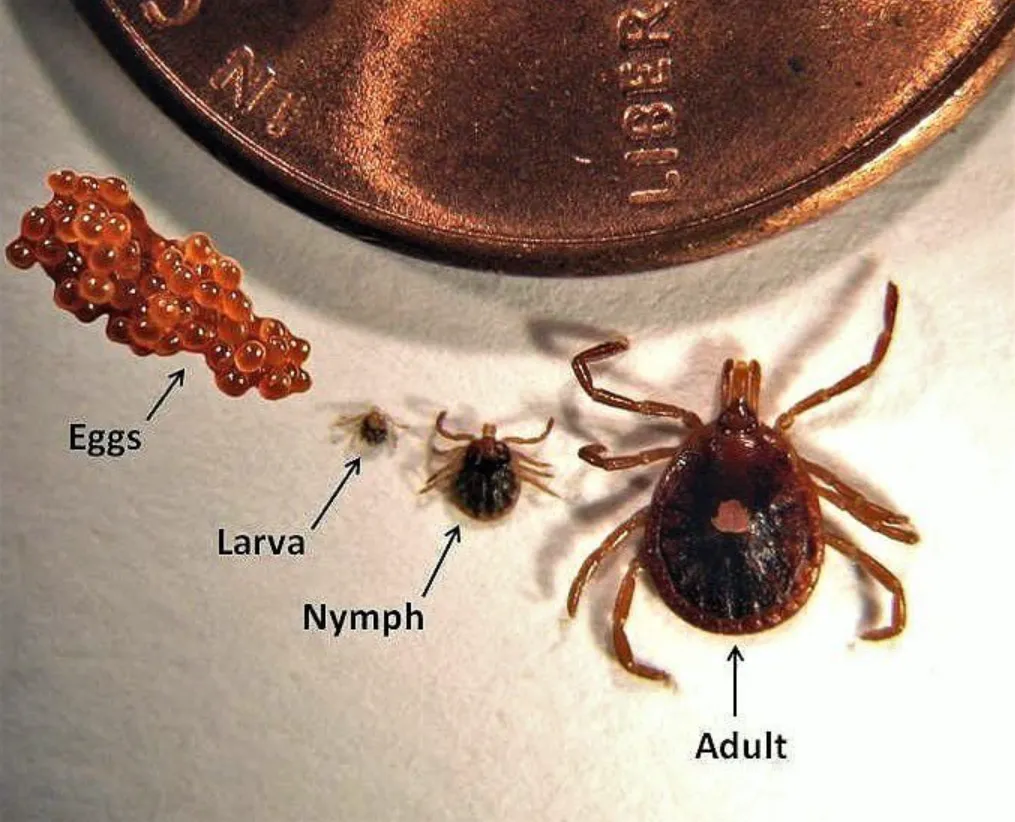
- The life cycle of ticks involves four stages: egg, larva, nymph, and adult. Ticks require a blood meal at every developmental stage except the egg stage.
- How long do ticks live?
- Ticks can live anywhere from a few weeks to several years, depending on the species, and some can survive for up to 2 years without feeding.
- How do ticks reproduce?
- Ticks reproduce by laying eggs that hatch into larvae. After the larvae feed on blood, they molt into nymphs, then into adults, which mate and lay eggs.
Quick Life Cycle Table
| Stage | Duration | Description |
| Egg | 2-4 weeks | Ticks lay eggs in hidden areas, such as soil or leaf litter. |
| Larva | 1-2 weeks | Larvae hatch from eggs and seek their first blood meal. |
| Nymph | 1-2 weeks | After feeding, larvae molt into nymphs, which then feed on another host. |
| Adult | 1-2 years (average) | After feeding as nymphs, adults seek mates and reproduce. |
The History of Their Scientific Naming
The scientific naming of ticks reflects their long-standing presence on Earth. They are classified under the class Arachnida, specifically in the orders Ixodida (hard ticks) and Argasida (soft ticks). The genus Ixodes, which includes Ixodes scapularis (the black-legged tick), is most famously known for transmitting Lyme disease. Ticks have been known to science since the 17th century, when they were first documented in Europe.
Their genus and species names are derived from the features they exhibit. For example, Ixodes comes from the Greek word ixos, meaning “tick,” and the species scapularis refers to the tick’s shield-like scutum. The history of tick research reveals their diverse roles in ecosystems, from disease transmission to interactions with various animals. The scientific community continues to explore the vast diversity of tick species globally.
Their Evolution and Their Origin
Ticks have a long evolutionary history dating back to the Mesozoic era, around 90 million years ago. Initially, they were free-living arachnids, but over millions of years, they evolved into parasitic creatures. Ticks belong to two major groups: hard ticks (Ixodidae) and soft ticks (Argasidae), each with distinct characteristics.
The evolutionary traits of ticks, such as their specialized mouthparts called hypostomes, help them securely attach to their hosts during feeding. These adaptations are a key reason for their success as parasites. Hard ticks, for instance, have a scutum, which provides protection and a strong anchor, whereas soft ticks are more mobile and lack this protective shield.
Ticks evolved to feed on a variety of hosts, including mammals, birds, and reptiles. As they evolved, they also developed a highly specialized feeding mechanism, enabling them to take a blood meal without being immediately detected by the host. This evolution enabled them to survive in diverse ecosystems, from forests to grasslands to even urban areas.
Their Main Food and Its Collection Process
Ticks are obligate blood-feeding parasites, meaning they rely on their hosts’ blood to survive and reproduce. The process of collecting blood is highly specialized:
- Detection: Ticks have specialized sensory structures, such as chemoreceptors and heat sensors, which detect the carbon dioxide and body heat emitted by their hosts. These cues help them locate potential hosts from a distance.
- Attachment: Once a tick finds a suitable host, it uses its mouthparts, including barbed structures, to pierce the skin and anchor itself firmly. This allows the tick to feed for several hours or days without falling off.
- Feeding: During feeding, ticks secrete saliva containing anticoagulants that prevent blood from clotting, enabling them to feed continuously. This feeding process can last anywhere from several hours to days, depending on the tick species.
- Detachment: Once the tick is fully engorged, it detaches from its host, leaving behind a potential infection site. The tick will then drop to the ground to continue its life cycle.
Their Life Cycle and Ability to Survive in Nature
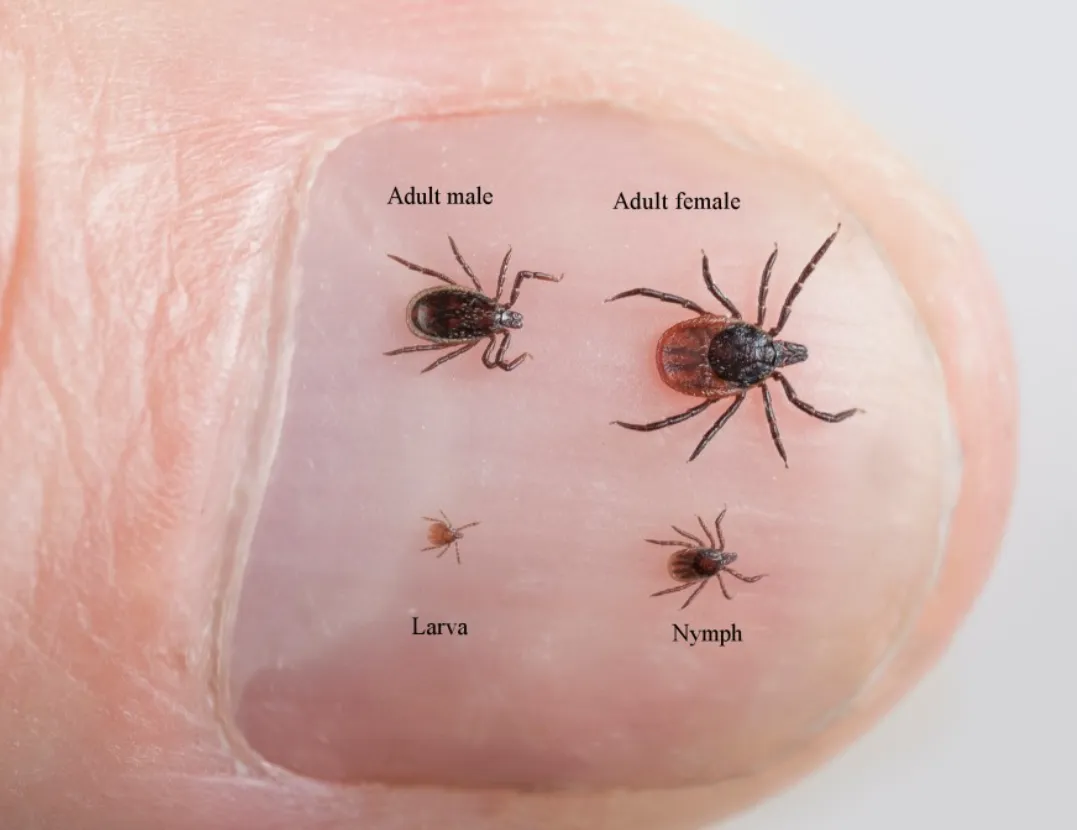
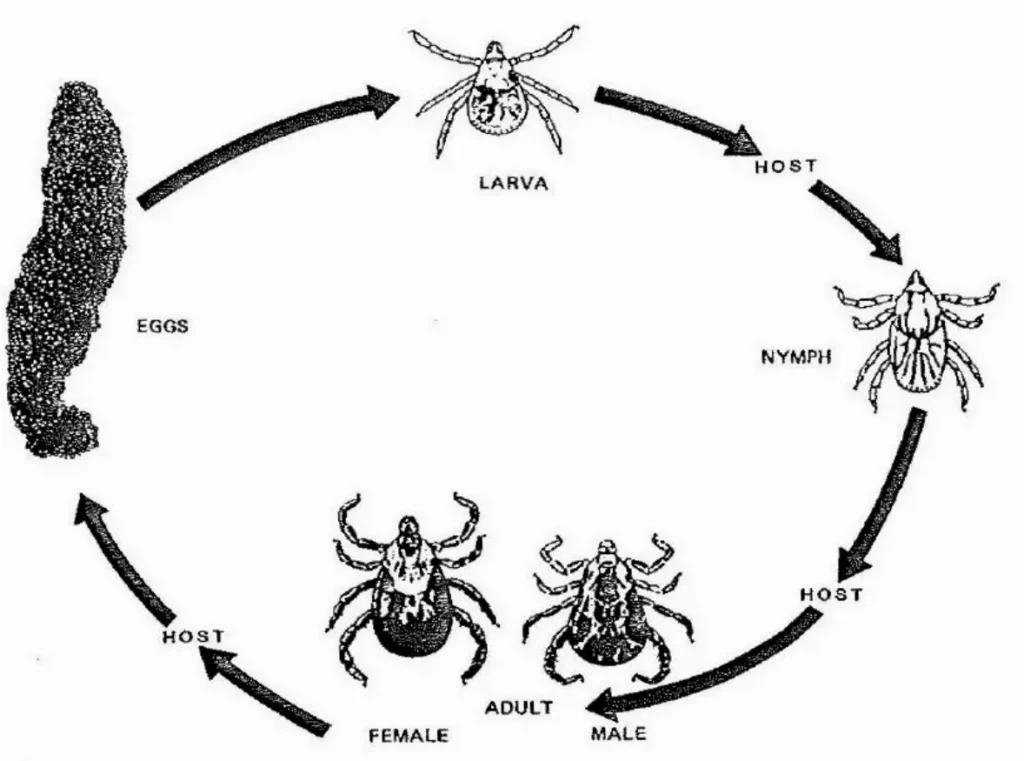
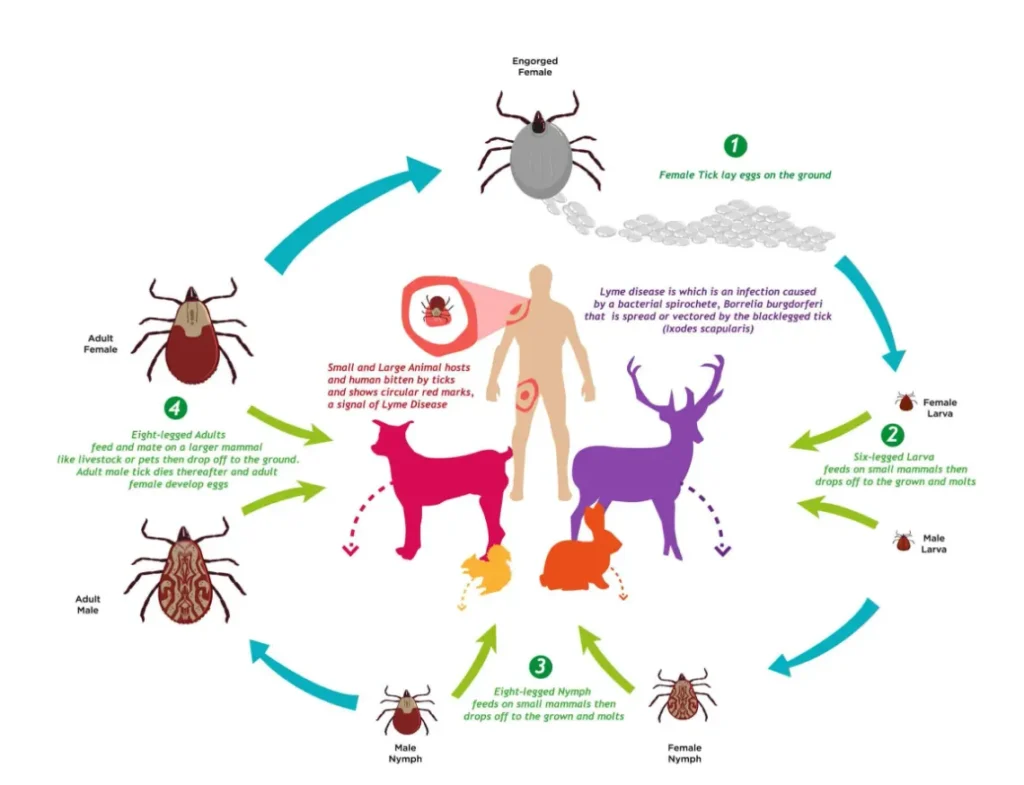
Ticks have remarkable survival strategies that enable them to thrive across diverse environments. Their life cycle consists of four stages: egg, larva, nymph, and adult. Each of these stages requires a blood meal, except the egg stage.
- Egg Stage: Female ticks lay eggs in sheltered areas, such as under leaf litter or in animal burrows. These eggs are incredibly resilient, able to withstand changes in temperature and humidity.
- Larval Stage: The eggs hatch into larvae, which immediately begin searching for their first blood meal. This is the most vulnerable stage, as larvae depend on the availability of hosts.
- Nymph Stage: After feeding, larvae molt into nymphs. Nymphs are also parasitic, requiring another blood meal to mature into adults. This stage is crucial for their development, as they molt after each feeding.
- Adult Stage: Adult ticks can survive for months or even years without feeding, especially in dry conditions. This ability to remain dormant during harsh environmental conditions is one of the reasons ticks are so resilient.
Ticks can survive for months without feeding by entering a dormant state. This dormancy helps them withstand cold weather, and they resume activity when conditions become more favorable.
Their Reproductive Process and Raising Their Children
Ticks have a fascinating reproductive process, which involves several stages:
- Mating: Male ticks locate females by scent. The mating process typically occurs after both the male and female ticks have completed at least one feeding cycle.
- Egg Laying: After mating, females lay eggs in hidden, moist locations, such as under leaves, logs, or in animal dens. A single female can lay thousands of eggs, which hatch into larvae.
- Hatching: The larvae emerge from the eggs and immediately begin seeking their first blood meal. This is critical for their survival, as they cannot develop into nymphs without it.
- Molting: After consuming blood, larvae molt into nymphs, which then seek their second blood meal. After feeding again, nymphs molt into adult ticks.
- Life Cycle Continuation: Once the adult ticks mate and lay eggs, the cycle starts again.
Importance of Ticks in the Ecosystem
Ticks, though often seen as pests, play an essential role in the ecosystems they inhabit. They contribute to:
- Food Webs: Ticks serve as food for various predators, including birds, small mammals, and other insects. This positions them as important contributors to the food web.
- Population Control: By feeding on a range of animals, ticks can influence the population dynamics of their hosts, preventing overpopulation of certain species.
- Disease Regulation: Ticks help regulate the population of animals that may otherwise spread diseases within an ecosystem. They can help control the prevalence of certain pathogens by influencing the health of host species.
What to Do to Protect Ticks in Nature and Save the System for the Future
Protecting ticks in nature is crucial for maintaining ecosystem balance. Here are ways to ensure their survival while preventing overpopulation:
- Conserve Natural Habitats: Protecting the forests, grasslands, and wetlands where ticks thrive is essential for their continued survival.
- Limit Pesticide Use: Pesticides can disrupt tick populations and harm other beneficial insects.
- Monitor Populations: Track tick populations to understand their impact on the environment and animal health.
- Raise Awareness: Educating the public about the importance of ticks in ecosystems will promote a balanced approach to managing their numbers.
- Support Conservation Efforts: Contribute to organizations dedicated to wildlife and habitat conservation.
Important Things That You Need To Know About Ticks
Ticks are integral to ecosystems, despite their often-negative image. Understanding ticks involves more than just considering them as pests. These creatures play vital roles in regulating populations, providing food for predators, and maintaining balance within the ecosystems they inhabit.
Ticks not only survive under extreme conditions but also play an important role in controlling diseases in wildlife. With proper management and conservation efforts, we can protect the essential ecological functions of ticks while minimizing the risks they pose to human health.
Frequently Asked Questions (FAQs)
- What is the average lifespan of a tick?
- A tick’s lifespan varies between a few weeks and a couple of years, depending on species and environmental conditions. Some ticks can survive up to two years without feeding.
- Do ticks hibernate in winter?
- Yes, ticks can survive cold temperatures by entering a state of dormancy until conditions improve.
- How do ticks detect their hosts?
- Ticks use specialized sensory organs to detect carbon dioxide, body heat, and scents released by potential hosts.
- Are ticks dangerous to humans?
- Yes, ticks can transmit a range of diseases, including Lyme disease, Rocky Mountain spotted fever, and babesiosis.
- What stages are involved in the life cycle of a tick?
- Ticks go through four stages: egg, larva, nymph, and adult.
- How do ticks reproduce?
- Ticks reproduce by mating, after which the female lays eggs. These hatch into larvae, which feed, molt, and grow into nymphs, then into adults.
- Can ticks survive without a blood meal?
- Ticks can survive without feeding for extended periods, especially in harsh environmental conditions.
- What precautions can I take to prevent tick bites?
- Wear protective clothing, use tick repellents, and perform tick checks after outdoor activities.
Conclusion
Ticks, although often considered pests, are important creatures within the natural world. By understanding their life cycle, evolutionary adaptations, and ecological roles, we can better manage their populations and the diseases they transmit.
Ticks’ ability to survive in diverse environments and their critical role in ecosystems underline the importance of balancing their management. With the right strategies, we can coexist with ticks while minimizing their negative impact on human health.
Also Read: life cycle of salmon