The grasshopper insect life cycle is a fascinating process that shows how these jumping insects grow and survive in nature. Grasshoppers belong to the order Orthoptera and are known for their powerful hind legs, ability to jump long distances, and their important role in ecosystems. Understanding their life cycle helps both students and nature lovers learn how insects develop and adapt.
Grasshoppers undergo incomplete metamorphosis, meaning they lack a pupal stage like butterflies. Instead, they grow through a series of stages from egg to adult. This simple yet effective life cycle allows them to adapt quickly to changing environments.
Quick Answers (Common Questions)
- What are the stages of a grasshopper insect’s life cycle?
- Egg → Nymph → Adult.
- How long does a grasshopper live?
- Most grasshoppers live for about 1 year, depending on the climate and species.
- Do grasshoppers change shape completely?
- No, they grow gradually through molts without a drastic transformation.
Quick Life Cycle Table
| Stage | Description | Duration |
| Egg | Laid in soil in pods | Winter to early spring |
| Nymph | Young grasshopper resembling a small adult | 4–8 weeks |
| Adult | Fully developed grasshopper with wings | Several months |
The History Of Their Scientific Naming
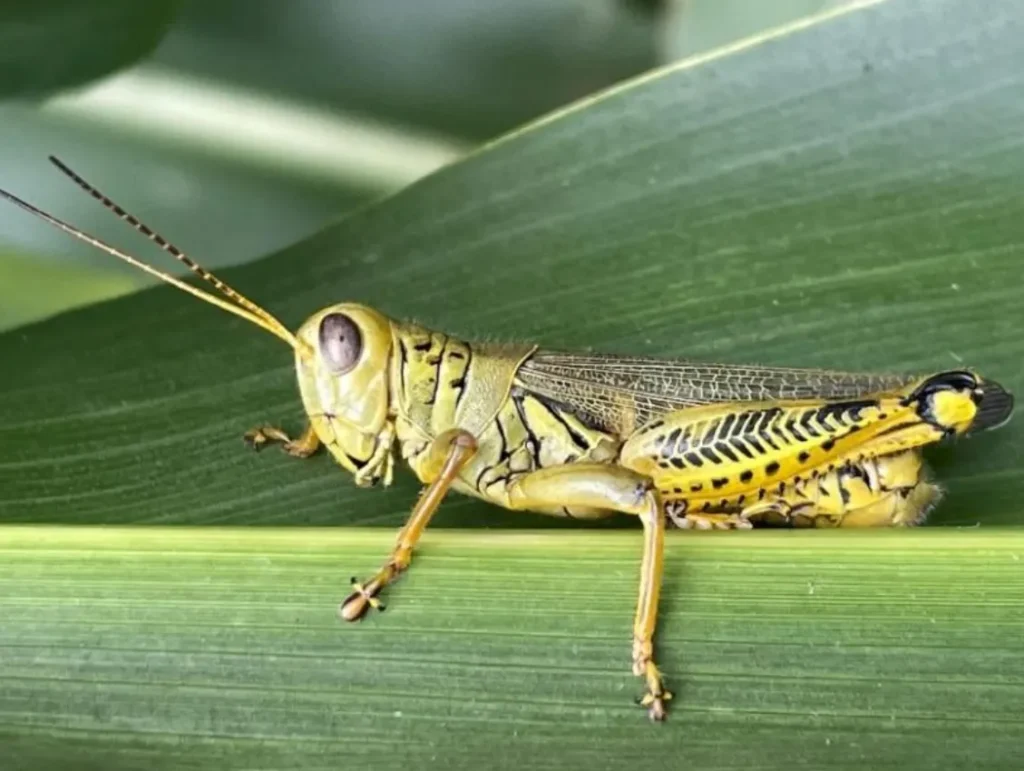
The scientific naming of grasshoppers has evolved over centuries as scientists studied insect classification.
- Grasshoppers belong to the order Orthoptera, which means “straight wings” in Greek.
- The name was given by early naturalists observing their wing structure.
- They are part of the suborder Caelifera, distinguishing them from crickets and katydids.
- Famous taxonomist Carl Linnaeus played a key role in classifying insects, including early grasshopper species.
- Scientific naming helps differentiate thousands of species found worldwide.
- Today, over 11,000 species of grasshoppers have been identified globally.
This classification system allows scientists to study their behavior, habitat, and evolutionary traits more effectively.
Their Evolution And Their Origin
Grasshoppers have an ancient evolutionary history that dates back over 250 million years. Fossil records suggest they appeared during the Triassic period, making them one of the oldest insect groups still alive today.
Early grasshoppers evolved from primitive insects that adapted to terrestrial environments. Over time, they developed strong hind legs for jumping, which became their most recognizable feature. This adaptation helped them escape predators and move efficiently through grasslands.
Their wings also evolved to support short-distance flight, giving them an additional survival advantage. Unlike many insects, grasshoppers retained a relatively simple life cycle, which proved to be highly effective.
Grasshoppers spread across continents as ecosystems changed. They adapted to a wide range of climates, from tropical forests to deserts. Their ability to consume a wide range of plants made them highly successful.
Natural selection played a key role in shaping their physical features. Camouflage coloring helped them blend into their surroundings, while their jumping ability improved survival rates.
Today, grasshoppers are found almost everywhere except extreme cold regions. Their long evolutionary journey shows how simple adaptations can lead to lasting success in nature.
Their Main Food and Its Collection Process
Grasshoppers are primarily herbivores, meaning they feed on plants. Their diet plays a crucial role in their growth and survival.
Main Food Sources
- Leaves of grasses and crops
- Herbs and small plants
- Crops like wheat and corn
- Occasionally, flowers and seeds
Food Collection Process
- Grasshoppers use strong mandibles (jaws) to chew plant material.
- They rely on their vision and antennae to locate food.
- They feed during the day, especially in warm weather.
- Their powerful legs allow them to move quickly between plants.
- They can consume large amounts of vegetation, sometimes leading to crop damage.
Grasshoppers are efficient feeders. They do not store food but consume it immediately to fuel their active lifestyle. Their feeding habits also influence plant populations and the balance of ecosystems.
Important Things That You Need To Know
The grasshopper’s life cycle connects closely with several important topics that help us better understand these insects.
Grasshopper Insect and Behavior
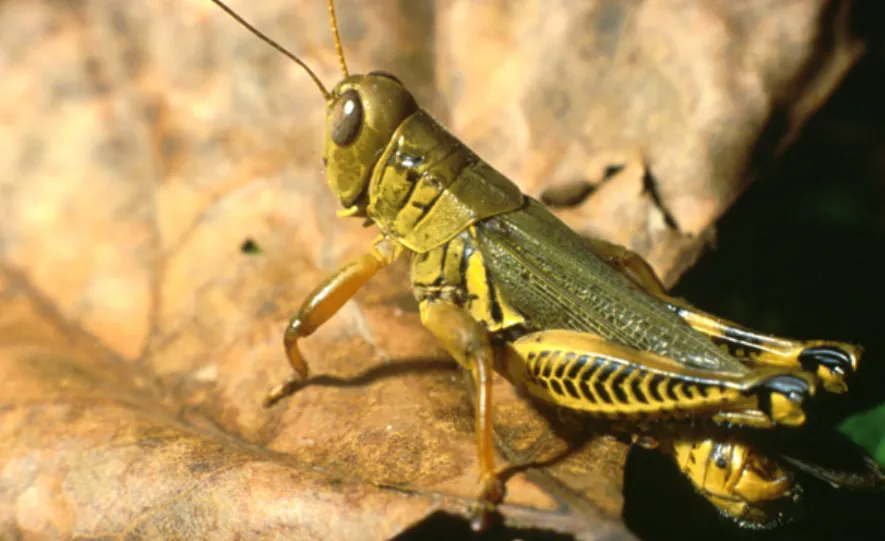
Grasshoppers are known for their jumping ability and simple body structure. Their body consists of the head, thorax, and abdomen.
Grasshopper Insect Image and Close-Up Features
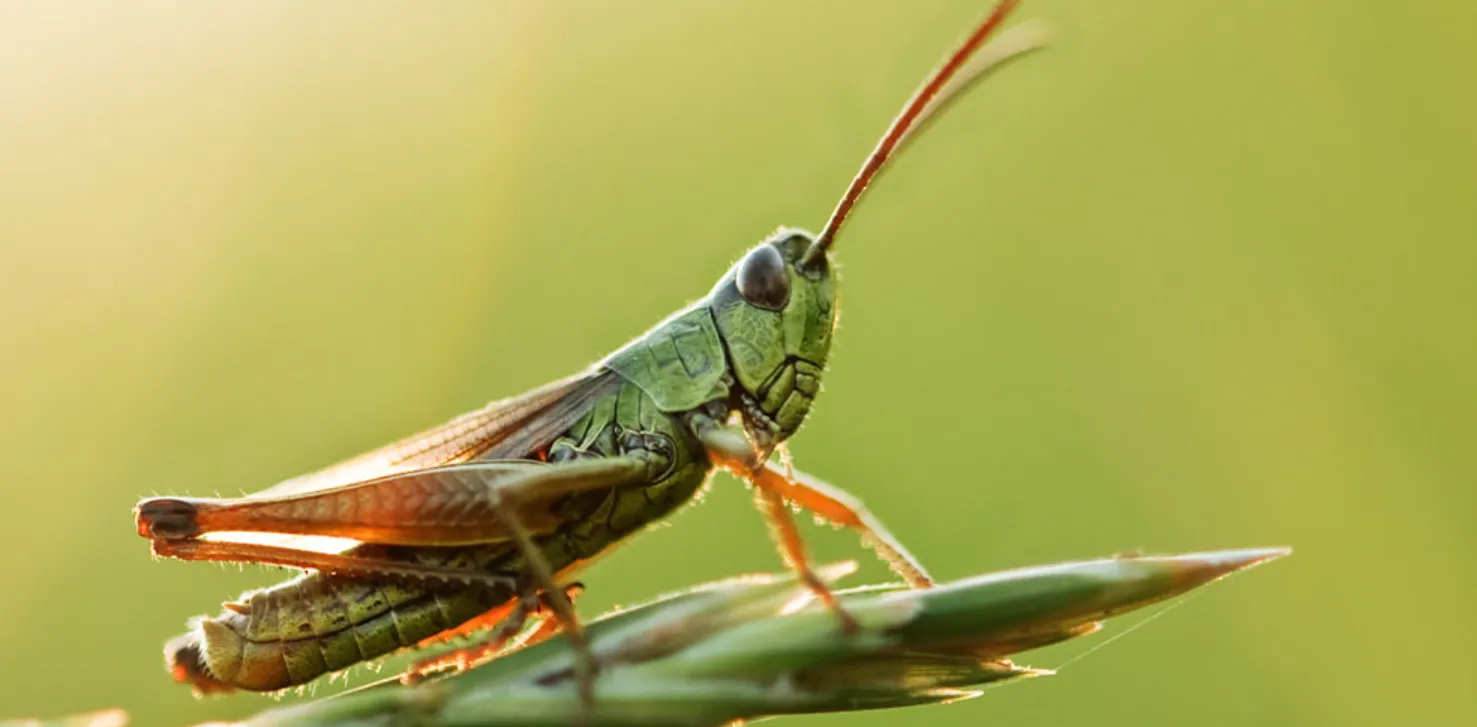
A grasshopper insect image, or a grasshopper insect close-up, shows details such as compound eyes, antennae, and powerful legs.
Grasshopper Insect Photos and Identification
Using grasshopper insect photos or grasshopper insect images, researchers identify species based on color, size, and wing patterns.
Grasshopper vs Cricket Differences
Although often confused with grasshopper cricket, grasshoppers have shorter antennae and different sound-producing methods.
Habitat and Movement
The grasshopper thrives in grasslands and on farms, where vegetation is abundant.
Understanding these aspects gives a clearer picture of how grasshoppers live and interact with their environment.
Their Life Cycle and Ability to Survive in Nature
Egg Stage
Grasshoppers lay eggs in soil during late summer or autumn.
These eggs remain dormant during winter and hatch in spring.
Nymph Stage
Nymphs look like miniature adults but lack wings.
They molt several times, growing larger after each stage.
Adult Stage
Adults develop wings and reproductive organs.
They can fly, mate, and continue the cycle.
Grasshoppers survive by:
- Camouflage to avoid predators
- Jumping quickly to escape danger
- Adapting to different environments
- Rapid reproduction
Their Reproductive Process and Raising Their Children
Grasshopper reproduction is simple yet effective for survival.
- Mating usually occurs during warm seasons.
- Male grasshoppers attract females using sounds produced by rubbing their legs.
- Females lay eggs in soil using a specialized organ called an ovipositor.
- Eggs are grouped in pods and protected by a frothy substance.
- After hatching, nymphs are independent and receive no parental care.
- They begin feeding immediately and grow through molting.
This process ensures a high survival rate despite environmental challenges.
Importance of Them in this Ecosystem
Food Source for Animals
Grasshoppers are an important food source for birds, reptiles, and mammals.
Plant Population Control
They help regulate plant growth by feeding on vegetation.
Soil Enrichment
Their waste returns nutrients to the soil.
Indicator Species
Grasshopper populations can indicate environmental health.
What to Do to Protect Them in Nature and Save the System for the Future
- Avoid excessive use of pesticides in agriculture
- Promote organic farming practices
- Preserve natural grassland habitats
- Support biodiversity conservation programs
- Reduce pollution affecting ecosystems
- Educate communities about insect importance
- Encourage sustainable land management
- Protect predator species to maintain balance
Frequently Asked Questions (FAQs)
- What is the grasshopper insect’s life cycle?
- It includes egg, nymph, and adult stages.
- How long does each stage last?
- The egg stage lasts months, the nymph stage lasts weeks, and the adult stage lasts several months.
- Do grasshoppers have a pupal stage?
- No, they undergo incomplete metamorphosis.
- Where do grasshoppers lay eggs?
- In soil, usually in protected areas.
- What do grasshopper nymphs eat?
- They eat the same plants as adults.
- How many times do nymphs molt?
- Usually, 5–6 times before becoming an adult.
- Why are grasshoppers important?
- They support food chains and the balance of ecosystems.
- Can grasshoppers fly?
- Yes, adult grasshoppers can fly short distances.
Conclusion
The grasshopper insect’s life cycle is a remarkable example of nature’s efficiency and simplicity. From eggs hidden in the soil to active jumping adults, grasshoppers demonstrate how insects can thrive without complex transformations. Their incomplete metamorphosis allows them to grow quickly and adapt to changing environments.
Grasshoppers play a significant role in ecosystems by controlling plant growth and serving as a food source for many animals. While they can sometimes be considered pests, their ecological importance cannot be ignored.
By understanding their life cycle, feeding habits, and environmental role, we can better appreciate these insects and take steps to protect them. Conservation efforts and sustainable practices will ensure that grasshoppers continue to contribute to ecological balance for future generations.
Also Read: life cycle of salmon