The life cycle of the chicken is one of the most fascinating and practical biological processes, especially for farmers, students, and animal lovers. Chickens are among the most common domesticated birds worldwide, valued for their meat, eggs, and ecological contributions. Understanding their life cycle helps improve poultry farming, animal care, and sustainability.
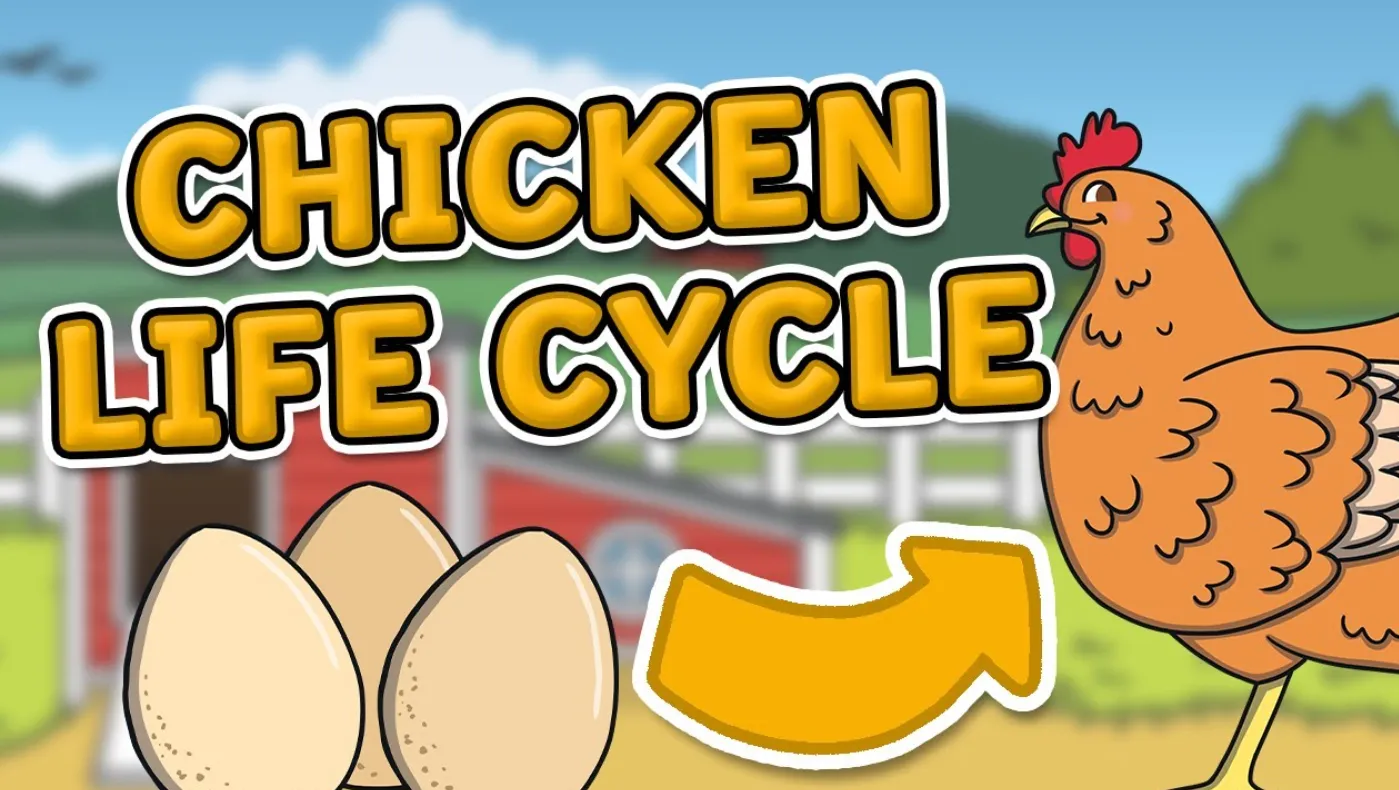
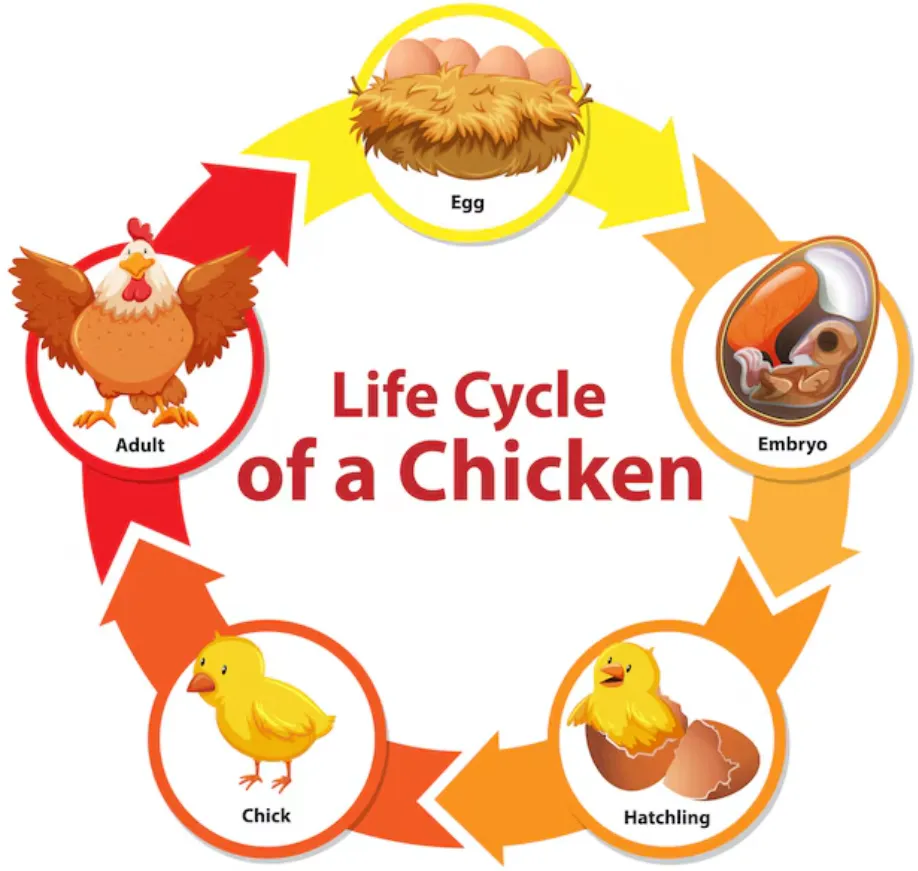
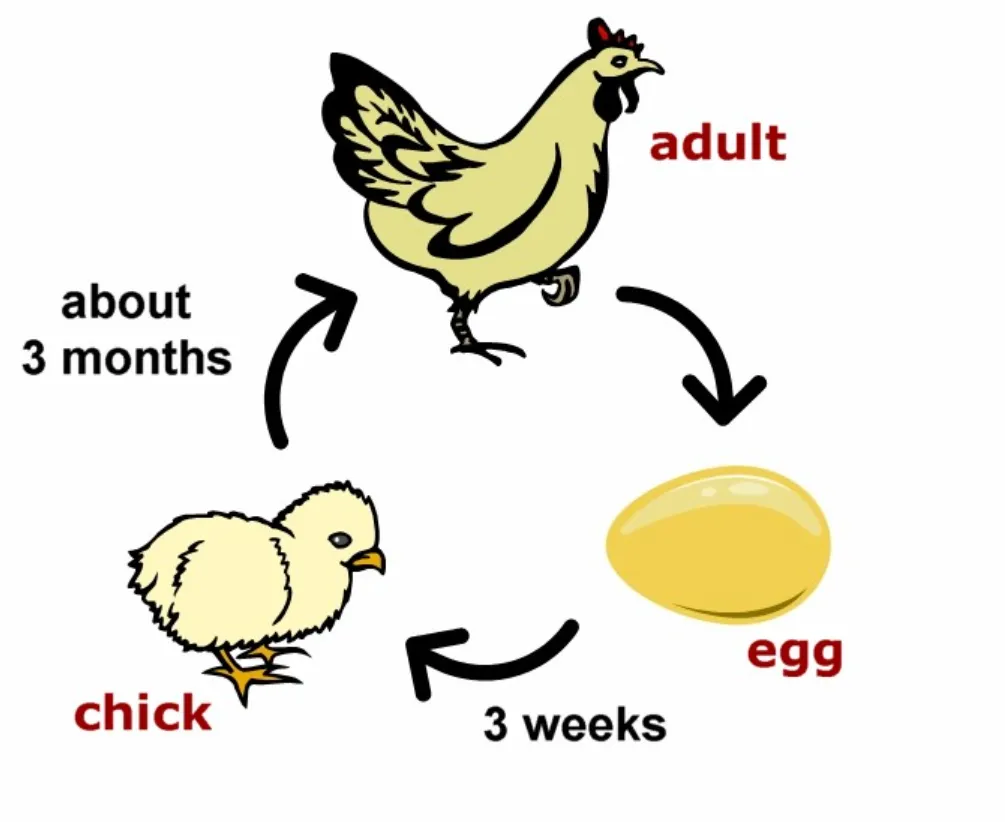
A chicken’s life cycle follows a simple but effective pattern: egg → chick → juvenile → adult. Each stage has unique characteristics, growth patterns, and survival strategies. From incubation inside an egg to becoming a fully grown hen or rooster, chickens demonstrate remarkable adaptability.
Quick Answers (Most Common Questions)
1. How long is the life cycle of a chicken?
The full life cycle typically lasts 5–10 years, but chickens reach maturity within 5–6 months.
2. How long does it take for a chicken egg to hatch?
A fertilized chicken egg takes about 21 days to hatch.
3. When do chickens start laying eggs?
Hens usually begin laying eggs at 18–24 weeks of age.
Quick Life Cycle Table
| Stage | Duration | Key Features |
| Egg | 21 days | The embryo develops inside the shell |
| Chick (Hatchling) | 0–6 weeks | Soft feathers, dependent on warmth |
| Juvenile (Pullet/Cockerel) | 6–20 weeks | Rapid growth, feather development |
| Adult Chicken | 20 weeks+ | Reproduction begins, egg-laying (hens) |
| Senior Stage | 2–10 years | Reduced productivity, aging |
The History Of Their Scientific Naming
The scientific name of the domestic chicken is Gallus gallus domesticus, derived from Latin origins. It reflects the bird’s classification and evolutionary background.
- Genus: Gallus – Refers to junglefowl species, the wild ancestors of modern chickens.
- Species: Gallus gallus – Specifically linked to the red junglefowl found in Southeast Asia.
- Subspecies: domesticus – Indicates domesticated varieties bred by humans.
Early scientists classified chickens based on physical features like comb shape, feather color, and body size. Over time, genetic studies confirmed their origin from wild junglefowl.
Carl Linnaeus, the father of taxonomy, played a key role in naming chickens scientifically. His classification system helped standardize animal identification globally.
Today, chickens are categorized into various breeds such as broilers, layers, and dual-purpose types. This scientific naming system helps researchers, farmers, and veterinarians communicate clearly about poultry species.
Their Evolution And Their Origin
Chickens originated from the red junglefowl (Gallus gallus) in Southeast Asia, particularly regions like India, Thailand, and Indonesia. These wild birds were first domesticated around 7,000–10,000 years ago.
Early humans domesticated chickens for multiple purposes:
- Meat production
- Egg-laying
- Religious and cultural practices
- Cockfighting (historically)
Over time, selective breeding transformed wild junglefowl into modern chickens. This process improved traits like faster growth, higher egg production, and adaptability to different climates.
Genetic studies show that modern chickens still share many traits with their wild ancestors. For example, their scratching behavior and social hierarchy (pecking order) remain unchanged.
Chickens spread globally through trade routes. Ancient civilizations like the Egyptians, Greeks, and Romans played a major role in their distribution.
Today, chickens are one of the most widespread domesticated animals. Their evolution highlights human influence on animal development and agricultural systems.
Important Things That You Need To Know
Understanding key aspects of chickens helps improve care, farming, and knowledge about their life cycle.
1. Chicken Behavior and Social Structure
Chickens live in groups and follow a strict hierarchy called the pecking order. This determines access to food and space.
2. Growth and Development
Chickens grow rapidly, especially in commercial farming. Proper nutrition ensures healthy development.
3. Common Uses of Chickens
Chickens are widely used for food products like eggs and meat. Popular dishes include buffalo chicken dip and various poultry recipes.
4. Health Awareness
Chickens can suffer from diseases like parasites and infections. While unrelated, humans should also understand conditions like chicken pox, which is often confused with other conditions.
5. Cultural and Media Influence
Chickens appear in popular culture, including characters like Chicken Little and trends like the chicken jockey reference in gaming.

Their Main Food and Its Collection Process
Chickens are omnivores, meaning they eat both plant and animal-based foods. Their feeding behavior plays a crucial role in their survival.
Main Food Sources
- Grains (corn, wheat, barley)
- Seeds and grasses
- Insects and worms
- Small reptiles or larvae
- Kitchen scraps (in domesticated settings)
Food Collection Process
- Scratching Behavior: Chickens use their claws to scratch the ground and uncover food.
- Pecking: Once food is exposed, they peck quickly to consume it.
- Foraging: Free-range chickens actively search for diverse food sources.
- Selective Eating: They prefer protein-rich foods like insects for growth.
Digestive Adaptations
- Chickens swallow small stones (grit) to help grind food in the gizzard.
- Their digestive system efficiently processes grains and proteins.
Proper feeding is essential for egg production and growth. In poultry farming, balanced feed ensures optimal health and productivity.
Their Life Cycle and Ability to Survive in Nature
Egg Stage
The life cycle begins when a hen lays a fertilized egg. Inside the shell, the embryo develops for 21 days under proper warmth.
Chick Stage
After hatching, chicks are weak and rely on warmth and protection. They quickly learn to walk and feed.
Juvenile Stage
Young chickens grow feathers and become more independent. Their survival skills improve significantly.
Adult Stage
Adult chickens can reproduce and adapt to environmental conditions. Hens lay eggs, while roosters protect the flock.
Survival Abilities
- Strong foraging instincts
- Ability to adapt to various climates
- Social cooperation within flocks
- Rapid reproduction
Chickens are highly resilient birds, capable of surviving in both wild and domesticated environments.
Their Reproductive Process and Raising Their Children
Chickens reproduce through internal fertilization. The reproductive process is efficient and essential for maintaining their population.
Reproductive Process
- Roosters mate with hens through a process called “cloacal contact.”
- Fertilized eggs develop embryos inside the shell.
- Hens lay eggs regularly, even without fertilization.
Egg Incubation
- Natural incubation takes 21 days.
- Hens sit on eggs to keep them warm.
- Farmers may use incubators for controlled hatching.
Raising Chicks
- Mother hens protect chicks from predators.
- They teach chicks how to find food.
- Chicks stay close to the hen for warmth and safety.
Parental Care
- Clucking sounds help communication.
- Hens show defensive behavior against threats.
- Chicks grow quickly under proper care.
This nurturing behavior increases survival rates and ensures healthy development.
Importance of Them in this Ecosystem
1. Natural Pest Control
Chickens eat insects, reducing harmful pest populations in farms and gardens.
2. Soil Fertility
Their droppings act as natural fertilizer, improving soil quality.
3. Food Source
Chickens provide essential protein through eggs and meat.
4. Biodiversity Contribution
They play a role in maintaining ecological balance.
5. Waste Reduction
Chickens consume organic waste, helping reduce environmental pollution.
Chickens are not just farm animals—they are vital contributors to ecological sustainability.
What to Do to Protect Them in Nature and Save the System for the Future
- Provide clean water and nutritious food daily
- Maintain hygienic living conditions
- Protect chickens from predators
- Use vaccinations to prevent diseases
- Avoid overcrowding in poultry farms
- Promote free-range farming practices
- Reduce excessive use of antibiotics
- Support sustainable poultry farming
- Educate farmers about proper care
- Preserve natural habitats for wild relatives
These actions ensure healthy chicken populations and a balanced ecosystem.
Frequently Asked Questions (FAQs)
1. What are the stages in the life cycle of a chicken?
Egg, chick, juvenile, and adult stages.
2. How long does a chicken live?
Typically, 5–10 years, depending on care and breed.
3. Do all chicken eggs hatch into chicks?
No, only fertilized eggs can hatch.
4. When do chickens start laying eggs?
Around 18–24 weeks of age.
5. How many eggs can a chicken lay?
Up to 250–300 eggs per year in some breeds.
6. What do baby chickens eat?
Starter feed, grains, and small insects.
7. Can chickens survive in the wild?
Yes, but domesticated chickens depend on human care.
8. Why is the chicken’s life cycle important?
It helps in farming, education, and understanding animal biology.
Conclusion
The life cycle of the chicken is a remarkable journey that showcases growth, survival, and reproduction in a simple yet effective way. From a fragile egg to a fully developed adult, chickens demonstrate adaptability and resilience in various environments.
Understanding their life cycle is essential for better poultry farming, improved animal welfare, and ecological balance. Chickens not only provide food but also contribute significantly to agriculture and sustainability.
By learning about their development stages, feeding habits, and reproductive processes, we can ensure healthier flocks and more efficient farming systems. Protecting chickens and maintaining proper care practices will benefit both humans and the environment in the long run.
Chickens are more than just farm animals—they are a vital part of our ecosystem and daily lives.
Also Read: life cycle of enterobiasis