The life cycle of a moth is one of nature’s most fascinating transformations, showcasing a complete metamorphosis from egg to adult. Moths belong to the order Lepidoptera, the same group as butterflies, yet they have unique behaviours, appearances, and ecological roles. From the tiny eggs laid on leaves to the often-overlooked yet essential adult moths, each stage plays a vital role in the ecosystem.
Moths are incredibly diverse, with over 160,000 species worldwide. Some, like the rosy maple moth or atlas moth, are known for their stunning beauty, while others are famous for their mysterious behaviours, such as the lunar moth or even the mythical moth man in folklore.
Understanding their life cycle helps us appreciate their role in Pollination, food chains, and biodiversity. It also helps in managing species that may affect agriculture or household items, such as those associated with mothballs.
🔍 Quick Answers (Most Common Questions)
1. What are the stages in the life cycle of a moth?
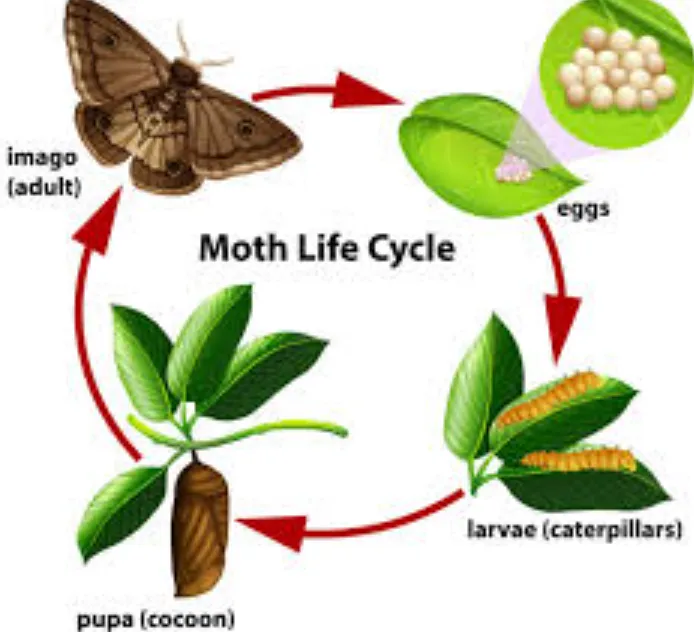
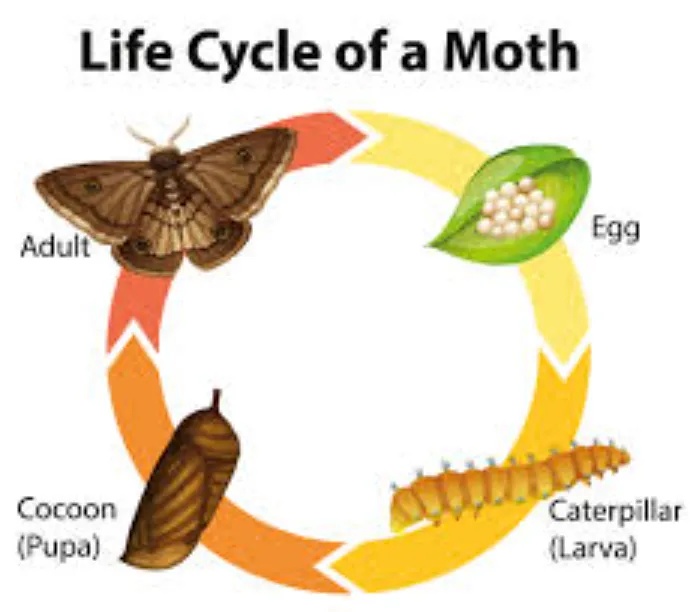
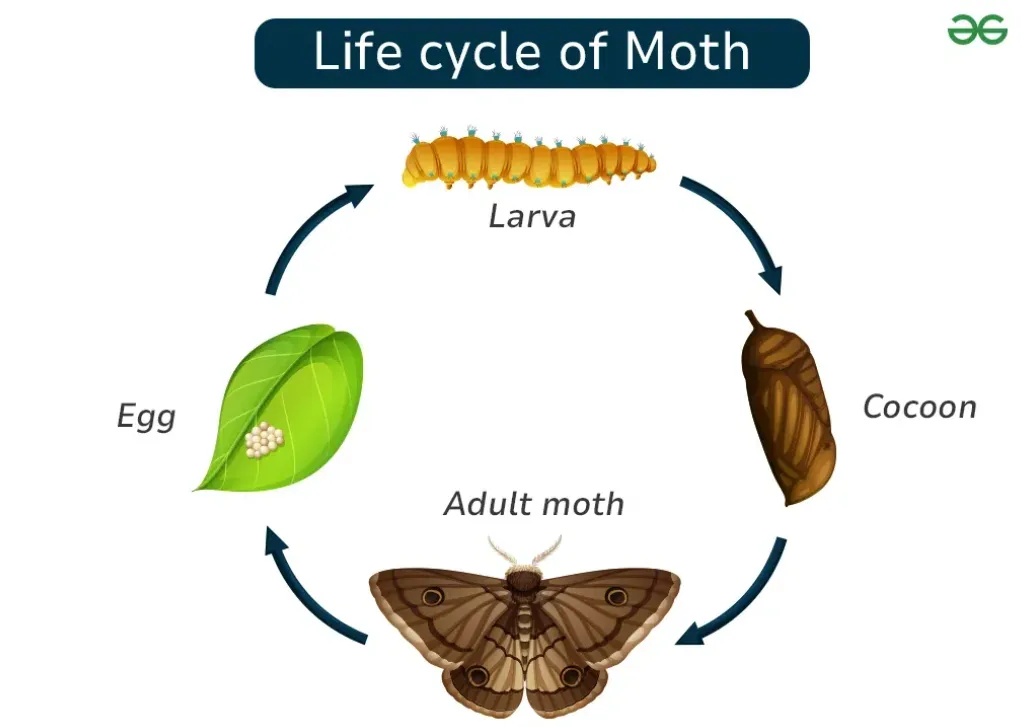
Egg → Larva (caterpillar) → Pupa (cocoon) → Adult moth.
2. How long does a moth live?
Most moths live from a few weeks to several months, depending on species.
3. Do moths harm humans?
Most moths are harmless, though some larvae (like the southern flannel moth) can cause skin irritation.
Quick Life Cycle Table
| Stage | Duration | Description |
| Egg | 3–10 days | Laid on leaves or surfaces, tiny and often hidden |
| Larva | 2–6 weeks | Feeding stage (caterpillar), rapid growth |
| Pupa | 1–4 weeks | Transformation inside the cocoon |
| Adult Moth | 1–6 weeks | Reproduction and pollination stage |
The History Of Their Scientific Naming
The scientific naming of moths has evolved over centuries as entomologists studied their diversity.
- Carl Linnaeus (18th century) first classified moths under the order Lepidoptera, meaning “scaled wings.”
- Early scientists grouped moths and butterflies, but later distinctions were made based on behaviour and anatomy.
- Moths were historically called “nocturnal butterflies,” but modern taxonomy separates them into distinct families.
- Species like the atlas moth (Attacus atlas) were named based on mythological or visual resemblance.
- Naming often reflects physical traits, habitats, or discoverers.
- Advances in DNA research have refined classifications, revealing hidden relationships among species.
- Today, moth taxonomy is continuously updated as new species are discovered.
This scientific naming system ensures global consistency and helps researchers study moth biodiversity effectively.
Their Evolution And Their Origin
Moths originated over 200 million years ago, during the Jurassic period. They evolved alongside flowering plants, which influenced their feeding habits and survival strategies.
Initially, primitive moth-like insects lacked the complex wing patterns we see today. Over time, they developed scales on their wings, providing camouflage and protection. These scales also contribute to their vibrant colours, as seen in species such as the rosy maple moth.
As plants diversified, moths adapted to different ecological niches. Some became nocturnal to avoid predators, while others developed specialised feeding structures. Their ability to detect light and pheromones evolved as a key survival mechanism.
The evolution of metamorphosis (complete life cycle transformation) gave moths a major advantage. Each stage serves a different purpose:
- Larvae focus on growth and feeding
- Adults focus on reproduction and dispersal
This separation reduces competition within the species.
Moths spread across all continents except Antarctica, adapting to deserts, forests, and even urban environments. Their evolutionary success lies in their diversity, adaptability, and symbiotic relationships with plants.
Their Main Food and Its Collection Process
Moths have different feeding habits at different life stages.
🌿 Larval Stage (Caterpillars)
- Feed mainly on leaves, stems, and flowers
- Some species specialise in specific plants
- Others consume crops
- Use strong mandibles to chew plant material
🌸 Adult Stage
- Many adult moths feed on nectar
- Some species do not eat at all and rely on stored energy
- A long proboscis helps extract nectar from flowers
🧭 Food Collection Process
- Use the sense of smell to locate food sources
- Detect plant chemicals and pheromones
- Nocturnal species rely on moonlight and scent trails
- Some mimic plant colours to blend in while feeding
🍂 Unique Feeding Behaviours
- Certain moths drink tree sap or fruit juices
- Others feed on animal dung or minerals
- Household moths feed on fabrics (wool, silk)
Their feeding habits make them both beneficial (pollinators) and sometimes pests.
Their Life Cycle and Ability to Survive in Nature
🥚 Egg Stage
Moths lay eggs on plants that will serve as food for larvae. This ensures survival from the beginning.
🐛 Larval Stage
This is the most active stage. Caterpillars eat continuously, storing energy for transformation. Their camouflage helps avoid predators.
🧵 Pupal Stage
Inside the cocoon, the caterpillar transforms into a moth. This stage is highly vulnerable, but protective coverings increase survival chances.
🦋 Adult Stage
Adult moths focus on reproduction. Their ability to fly helps them escape predators and find mates.
Moths survive through:
- Camouflage and mimicry
- Nocturnal behavior
- Chemical defenses
- Rapid reproduction
These adaptations make them resilient in various environments.
Their Reproductive Process and Raising Their Children
Moth reproduction is highly efficient and fascinating.
- Female moths release pheromones to attract males
- Males detect these signals from long distances
- After mating, females lay hundreds of eggs
- Eggs are placed on suitable host plants
🐣 Raising the Young
- No parental care after egg-laying
- Survival depends on correct egg placement
- Larvae must feed immediately after hatching
- Rapid growth reduces vulnerability
🔁 Reproductive Strategy
- High egg numbers increase survival chances
- Short life cycles allow multiple generations per year
- Some species migrate for better breeding conditions
This strategy ensures species continuity despite high predation rates.
Importance of Them in this Ecosystem
🌼 Pollination
Many moths are nocturnal pollinators, helping plants reproduce.
🐦 Food Source
They serve as food for birds, bats, and other animals.
🌱 Plant Control
Larvae help control plant populations.
🔬 Scientific Research
Moths are used in ecological and genetic studies.
🌍 Biodiversity Indicators
Their presence indicates environmental health.
Moths play a critical role in maintaining ecological balance.
Important Things That You Need To Know
Moths are incredibly diverse, and several species stand out due to their uniqueness and cultural significance.
The rosy maple moth is known for its bright pink and yellow colouration, making it one of the most visually striking moths. It is harmless and often admired for its beauty.
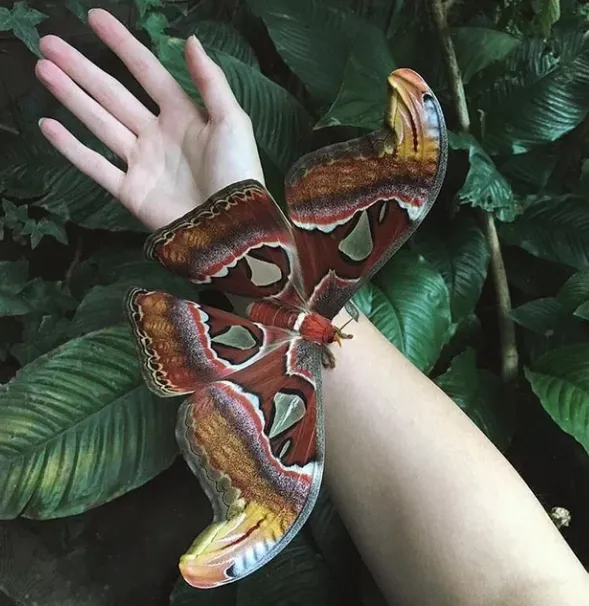
The atlas moth, one of the largest moths in the world, has wings that resemble snake heads to deter predators. It does not eat as an adult and lives only to reproduce.
The lunar moth (often called the luna moth) has long tails on its wings that confuse bat echolocation, helping it survive nighttime predators.
The southern flannel moth is famous for its larvae, known as the “puss caterpillar,” which can deliver a painful sting. This makes it one of the few moth species that can directly affect humans.
The legend of the moth man adds a cultural dimension, representing how moths have influenced folklore and mystery.
What to Do to Protect Them in Nature and Save the System for the Future
- 🌱 Plant native flowers to support moth populations
- 🌙 Reduce artificial lighting at night
- 🚫 Avoid excessive pesticide use
- 🌿 Preserve natural habitats
- 🐛 Support organic farming practices
- 🏡 Create moth-friendly gardens
- 🌍 Raise awareness about their ecological role
- 🔬 Support conservation research
Protecting moths helps maintain biodiversity and ecosystem stability.
Frequently Asked Questions (FAQs)
1. What is the life cycle of a moth?
It includes egg, larva, pupa, and adult stages.
2. How long does each stage last?
It varies by species but usually ranges from days to weeks.
3. Are moths beneficial to the environment?
Yes, they are important pollinators and food sources.
4. Do all moths eat clothes?
No, only a few species feed on fabrics.
5. What do moth larvae eat?
Mostly plant leaves and organic materials.
6. Can moths see light?
They are attracted to light but use it for navigation.
7. Are moths dangerous?
Most are harmless, but some larvae can sting.
8. Why are moths important?
They support ecosystems through Pollination and as prey.
Conclusion
The life cycle of a moth is a remarkable journey of transformation, adaptation, and survival. From tiny eggs to fully developed flying insects, each stage serves a unique purpose in maintaining ecological balance.
Moths are more than just nighttime insects. They are pollinators, food sources, and indicators of environmental health. Their diversity—from the delicate rosy maple moth to the विशाल atlas moth—demonstrates nature’s creativity and resilience.
Despite their importance, moth populations face threats from habitat loss, pollution, and artificial lighting. By understanding their life cycle and ecological role, we can take meaningful steps to protect them.
Also Read: life cycle of a honey bee