The cricket’s life cycle is a fascinating process that highlights nature’s precision and adaptability. Crickets, belonging to the order Orthoptera, are widely known for their chirping sounds and are commonly found in gardens, fields, and even homes. Understanding their life cycle helps us appreciate their role in ecosystems and how they survive in different environments.
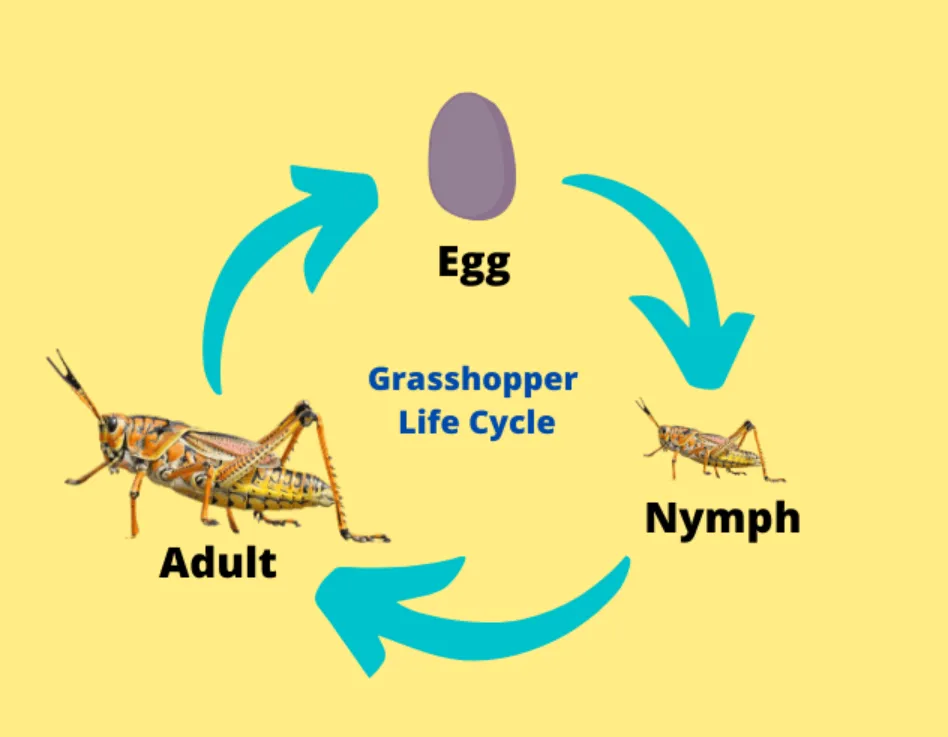
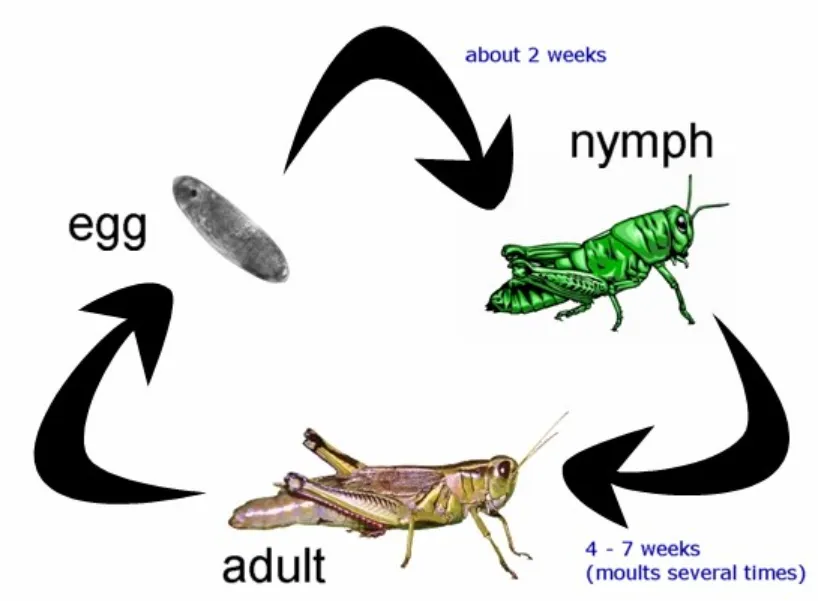
Crickets go through a simple metamorphosis, meaning they develop through three main stages: egg, nymph, and adult. Unlike butterflies, they do not have a pupal stage. Their lifecycle duration varies depending on species, temperature, and environmental conditions, but generally ranges from 2 to 3 months.
These insects are not only important for biodiversity but also contribute to soil health and food chains. From the house cricket to the black cricket, each species shares similar life stages with slight variations.
Quick Answers (Most Common Questions)
1. What are the stages of the cricket insect life cycle?
Egg → Nymph → Adult
2. How long does a cricket live?
Typically 8–12 weeks, depending on species and environment.
3. Why do crickets make sounds?
Male crickets produce chirping sounds to attract females and establish territory.
Quick Life Cycle Table
| Stage | Duration | Key Characteristics |
| Egg | 1–3 weeks | Laid in soil or moist areas |
| Nymph | 4–8 weeks | Looks like a small adult, no wings initially |
| Adult | 2–4 weeks | Fully developed, capable of reproduction |
The History Of Their Scientific Naming
The scientific classification of crickets has evolved as researchers studied their behavior and structure.
- Crickets belong to the family Gryllidae, derived from the Latin word gryllus, meaning “cricket.”
- Early 18th-century naturalists first categorized crickets based on their chirping and body structure.
- Carl Linnaeus, the father of taxonomy, played a major role in naming early cricket species.
- Over time, scientists identified various species, including Acheta domesticus (the house cricket).
- Modern classification uses genetic studies to distinguish between species more accurately.
- Today, crickets are grouped under Orthoptera, which also includes grasshoppers and locusts.
This scientific evolution reflects the improvement in our understanding of insects driven by technology and research.
Their Evolution And Their Origin
Crickets have a long evolutionary history dating back over 250 million years, making them one of the oldest insect groups still alive today. Fossil records show that early cricket-like insects existed during the Permian period.
These ancient insects adapted to diverse climates and environments, helping them survive mass extinction events. Their ability to thrive in diverse habitats—from forests to deserts—played a key role in their evolutionary success.
Crickets evolved specialized features such as strong hind legs for jumping and sound-producing organs called stridulatory organs. These adaptations improved their survival by helping them escape predators and communicate effectively.
Another major evolutionary advantage is their simple metamorphosis. Unlike insects with complex life cycles, crickets can grow and reproduce quickly, ensuring population stability.
Over time, different species emerged, including the black cricket insect and tropical varieties. Each adapted to its environment with slight differences in size, color, and behavior.
Today, crickets are found worldwide and are even being studied as sustainable food sources due to their high protein content and low environmental impact. Their evolutionary journey highlights resilience and adaptability in changing ecosystems.
Their Main Food and Its Collection Process
Crickets are omnivorous insects, meaning they eat both plant and animal materials. Their feeding habits are crucial for maintaining ecological balance.
What Do Crickets Eat?
- Fresh leaves and grass
- Fruits and vegetables
- Fungi and decaying plant matter
- Small insects and larvae
- Organic waste
How They Collect Food
- Crickets use their strong mandibles (mouthparts) to efficiently chew food.
- They rely on antennae to sense food sources in their surroundings.
- Most crickets are nocturnal, so they search for food at night.
- They often feed in hidden places to avoid predators.
- Some species scavenge, helping decompose.
Their feeding behavior makes them important recyclers in nature. They break down organic matter and return nutrients to the soil.
Their Life Cycle and Ability to Survive in Nature
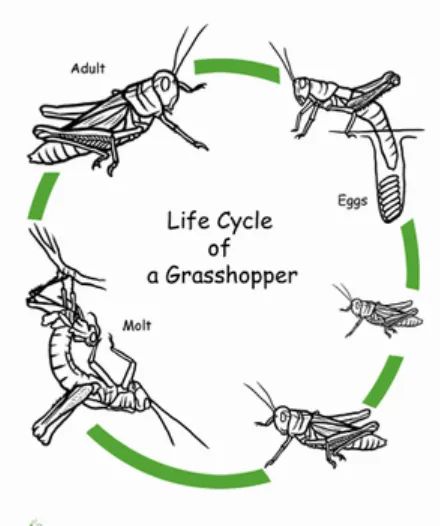
Egg Stage
Female crickets lay eggs in moist soil using a specialized organ called an ovipositor. Eggs hatch within 1–3 weeks, depending on temperature.
Nymph Stage
Nymphs resemble miniature adults but lack wings. They molt several times as they gradually grow and develop wings.
Adult Stage
Adult crickets are fully developed with wings and reproductive organs. They can produce the famous cricket insect sound and reproduce.
Survival Strategies
- Excellent camouflage to avoid predators
- Nocturnal behavior to reduce risk
- Ability to adapt to various climates
- Rapid reproduction to maintain the population
These survival traits allow crickets to thrive in diverse environments worldwide.
Important Things That You Need To Know
Crickets are more complex than they seem. Understanding key aspects like their behavior, types, and characteristics can help you identify and appreciate them better.
There are different types of crickets, including the house cricket, commonly found indoors, and the black cricket, often seen outdoors. These insects vary in size, color, and behavior but share similar life cycles.
One of the most interesting features is the cricket’s insect sound, produced when males rub their wings together. This sound is not random—it serves as a form of communication for mating and territory defense.
If you search for cricket insect images, you’ll notice their long antennae, powerful hind legs, and cylindrical bodies. These features help them jump long distances and sense their surroundings.
The term’ insect cricket insect‘ may seem repetitive, but it highlights their classification as insects within the order Orthoptera.
Crickets are also sensitive to temperature changes. Their chirping rate often increases with temperature, making them natural thermometers.
Overall, these small creatures play a big role in ecosystems and are more fascinating than they appear at first glance.
Their Reproductive Process and Raising Their Children
Crickets have a unique and efficient reproductive system that ensures the survival of the species.
Reproductive Process
- Male crickets attract females using chirping sounds.
- Females choose mates based on sound quality and frequency.
- After mating, females lay eggs in soil using an ovipositor.
- One female can lay hundreds of eggs during her lifetime.
Raising Their Young
- Crickets do not provide parental care after laying eggs.
- Eggs hatch into nymphs independently.
- Nymphs grow by molting multiple times.
- Survival depends on environmental conditions and food availability.
Despite the lack of parental care, their high reproduction rate ensures population growth.
Importance of Them in this Ecosystem
Nutrient Recycling
Crickets help break down organic matter, enriching soil fertility.
Food Source
They are a vital food source for birds, reptiles, and mammals.
Soil Health
Their burrowing activities improve soil aeration.
Pest Control
Crickets consume smaller insects, helping control pest populations.
Biodiversity Indicator
Their presence indicates a healthy ecosystem.
Crickets play a crucial role in maintaining ecological balance.
What to Do to Protect Them in Nature and Save the System for the Future
- Avoid excessive pesticide use in gardens and farms
- Preserve natural habitats like grasslands and forests
- Maintain soil moisture for egg development
- Encourage organic farming practices
- Reduce pollution and chemical waste
- Create insect-friendly environments in gardens
- Educate others about their ecological importance
- Support conservation programs
Protecting crickets helps maintain biodiversity and ecosystem stability.
Frequently Asked Questions (FAQs)
1. What is the life cycle of a cricket?
Egg → Nymph → Adult
2. How long do cricket insects live?
About 2–3 months, depending on species.
3. What do cricket insects eat?
Plants, fruits, fungi, and small insects.
4. Why do crickets chirp?
To attract mates and communicate.
5. Where do crickets lay eggs?
In moist soil or hidden areas.
6. Are crickets harmful to humans?
No, they are generally harmless.
7. What is a house cricket insect?
A species commonly found indoors (Acheta domesticus).
8. What is a black cricket insect?
A darker-colored cricket species is often found outdoors.
Conclusion
The cricket‘s life cycle is a simple yet remarkable process that reflects nature’s resilience. From eggs hidden in the soil to chirping adults, crickets demonstrate adaptability and survival in diverse environments.
Their role in ecosystems goes beyond their small size. They contribute to soil health, act as food sources, and help maintain ecological balance. Understanding their life cycle, feeding habits, and reproductive behavior allows us to appreciate their importance even more.
By protecting crickets and their habitats, we are indirectly supporting the health of entire ecosystems. These tiny insects remind us that every creature, no matter how small, plays a significant role in sustaining life on Earth.
Also Read: life cycle of an apple tree