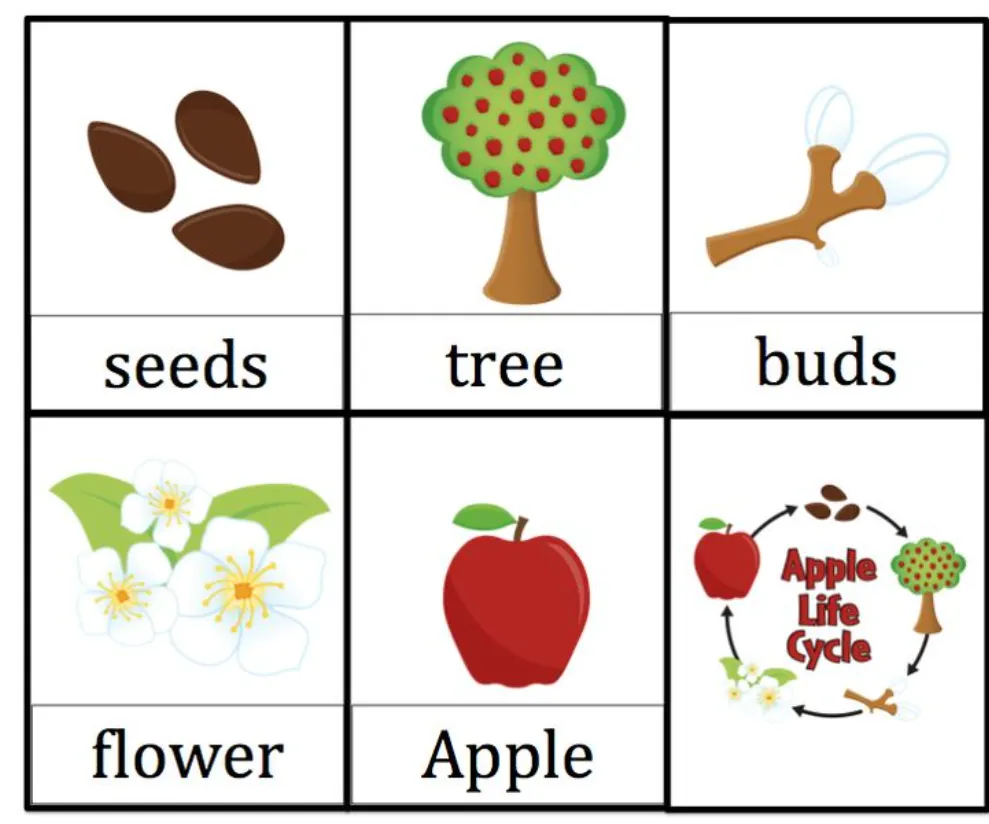
The life cycle of an apple tree is a fascinating journey that spans several years, transforming from a tiny seed into a fruit-bearing tree that supports ecosystems and human life. Apple trees are not only essential for fruit production but also play a crucial role in biodiversity, soil health, and agriculture. Whether it’s a honeycrisp apple tree, a crab apple tree, or even a sugar apple tree, each variety follows a similar biological cycle with unique adaptations.
Understanding the life cycle helps gardeners, farmers, and nature lovers improve apple tree care and maximise fruit yield. From germination to dormancy, each stage requires specific environmental conditions, nutrients, and care practices, such as proper use of apple tree fertiliser and monitoring apple tree leaf health.
🔹 Quick Answers (Most Common Questions)
1. How long does an apple tree take to grow?
An apple tree typically takes 4–8 years to produce fruit, depending on the variety and growing conditions.
2. What are the main stages of an apple tree’s life cycle?
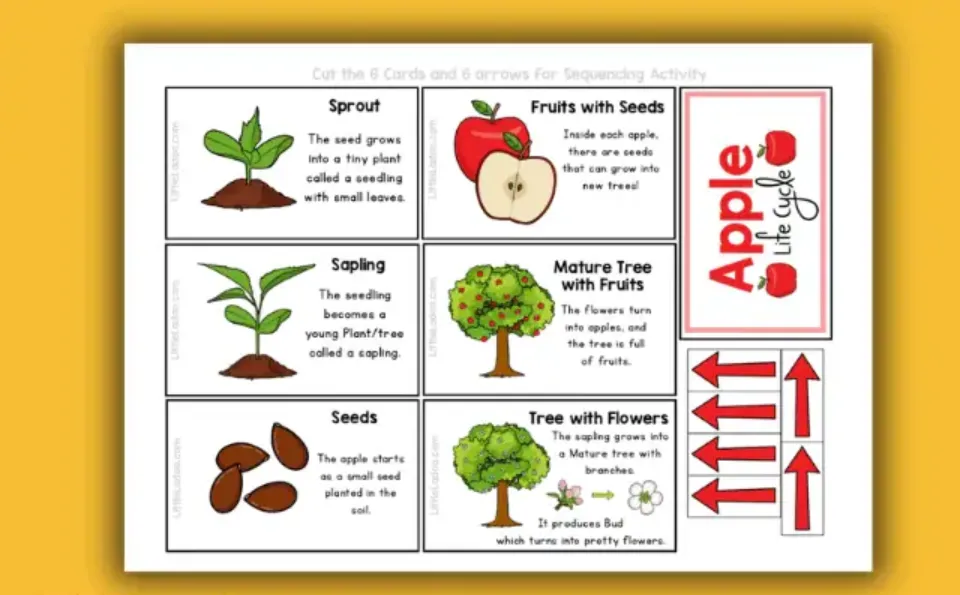
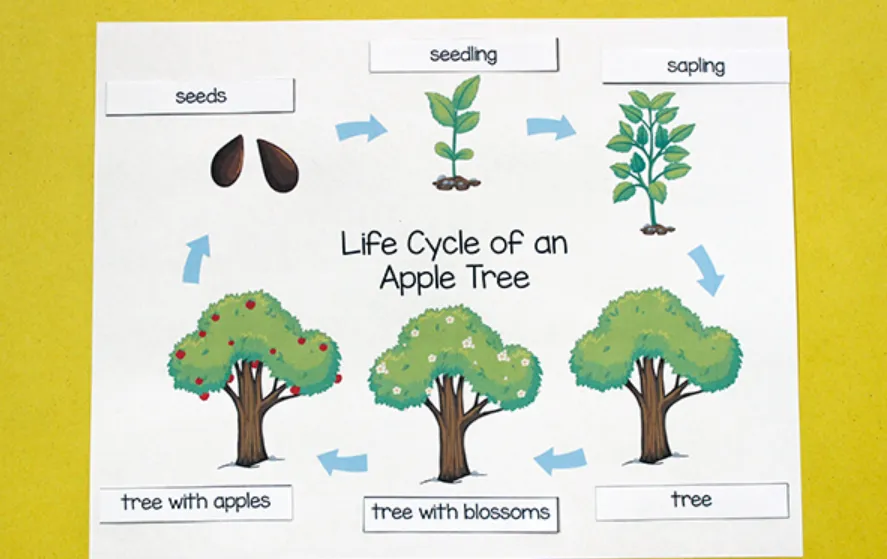
Seed → Germination → Seedling → Mature Tree → Flowering → Fruiting → Dormancy.
3. How long can an apple tree live?
With proper care, apple trees can live 50–100 years or even longer in ideal conditions.
Quick Life Cycle Table
| Stage | Description | Time Frame |
| Seed | Apple seeds formed inside the fruit | Immediate |
| Germination | Seed sprouts under proper conditions | 2–6 weeks |
| Seedling | A young plant develops roots and leaves | 1–2 years |
| Juvenile Tree | The tree grows but doesn’t fruit yet | 3–6 years |
| Mature Tree | Produces flowers and fruit | 5+ years |
| Flowering | Blossoms attract pollinators | Spring |
| Fruiting | Apples develop and ripen | Summer–Fall |
| Dormancy | Tree rests and conserves energy | Winter |
The History Of Their Scientific Naming
The scientific classification of apple trees has evolved significantly over the centuries:
- Apple trees belong to the genus Malus and are scientifically named Malus domestica.
- Early botanists classified apples based on morphology, such as leaf shape and fruit size.
- Carl Linnaeus, the father of taxonomy, played a major role in standardising plant naming in the 18th century.
- The term domestica reflects the cultivated nature of modern apple varieties.
- Wild ancestors, such as Malus sieversii, were later identified through genetic studies.
- Modern classification combines genetic analysis with traditional taxonomy.
Today, scientists use DNA sequencing to trace the lineage of apples and identify relationships between varieties, such as between crab apple trees and cultivated apples.
Their Evolution And Their Origin
The origin of apple trees dates back thousands of years to the mountainous regions of Central Asia, particularly Kazakhstan. The wild ancestor, Malus sieversii, still grows there and is considered the genetic foundation of modern apples.
Over time, apples spread through trade routes such as the Silk Road. Travellers and traders carried seeds across continents, allowing natural crossbreeding. This process led to diverse varieties with different flavours, sizes, and levels of resilience.
As apples reached Europe, they were cultivated extensively. Farmers selected trees with desirable traits, such as sweetness and disease resistance. Later, European settlers introduced apple trees to North America, where new varieties, such as the honeycrisp apple, were developed.
Evolution also shaped apple trees to survive in different climates. Some adapted to cold regions, while others thrived in warmer zones. Hybridisation further enhanced productivity and pest resistance.
Today, thousands of apple varieties exist, each with unique characteristics. Modern agriculture continues to refine apple genetics, ensuring higher yields, better taste, and greater sustainability.
Important Things That You Need To Know
Understanding the essential aspects of apple trees helps improve growth, yield, and overall health. Here are key insights on apple trees, crabapple trees, Honeycrisp apple trees, sugar apple trees, apple tree fertiliser, apple tree leaves, and apple tree care.
Apple trees require well-drained soil and adequate sunlight for optimal growth. Proper fertilisation plays a vital role in boosting fruit production. Using the right apple tree fertiliser ensures the tree receives nutrients such as nitrogen, phosphorus, and potassium.
Different varieties have unique characteristics. For example, the honeycrisp apple tree is known for its crisp texture and sweet flavour, while the crab apple tree is often used for ornamental purposes and as a pollinator. The sugar apple tree, although botanically different, shares similar care requirements for sunlight and soil.
Monitoring apple tree leaves is essential. Healthy leaves indicate proper nutrition, while discolouration may signal disease or nutrient deficiency.
Regular pruning, watering, and pest control are crucial aspects of apple tree care. These practices not only improve fruit quality but also extend the tree’s lifespan.
Their main food and its collection process
Apple trees produce their own food through photosynthesis. This process is essential for growth and fruit development.
- Sunlight absorption: Leaves capture sunlight using chlorophyll.
- Carbon dioxide intake: Leaves absorb CO₂ from the air through stomata.
- Water uptake: Roots absorb water and minerals from the soil.
- Photosynthesis process: Sunlight converts CO₂ and water into glucose.
- Energy storage: Glucose is stored as starch for growth and fruiting.
The collection process involves roots spreading deep into the soil to absorb nutrients. The vascular system transports water and minerals upward, while sugars move throughout the tree.
Fertilisation enhances this process by supplying essential nutrients. Healthy soil and proper irrigation ensure efficient food production.
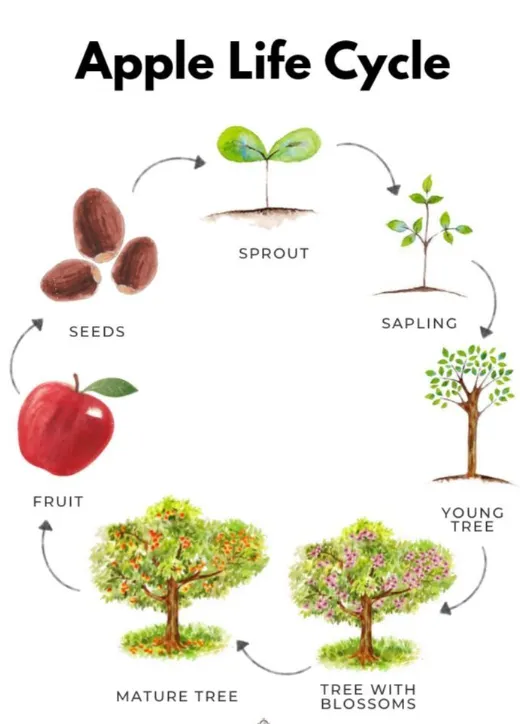
Their life cycle and ability to survive in nature
🌱 Germination Stage
Seeds sprout under favourable conditions such as moisture, warmth, and oxygen.
🌿 Growth Stage
The seedling develops roots and leaves, gradually becoming a young tree.
🌸 Flowering Stage
Blossoms appear in spring, attracting pollinators like bees.
🍎 Fruiting Stage
Fruits develop after successful pollination and mature over months.
❄️ Dormancy Stage
During winter, the tree conserves energy and prepares for the next cycle.
Apple trees survive in nature through adaptability. They tolerate cold winters and moderate drought conditions. Their deep root systems help access water, while seasonal dormancy protects them from harsh climates.
Their Reproductive Process and raising their children
Apple trees reproduce through both sexual and asexual methods:
- Pollination: Bees transfer pollen between flowers.
- Fertilisation: Pollen fertilises ovules inside the flower.
- Seed formation: Seeds develop inside the fruit.
- Fruit production: Apples grow to protect the seeds.
- Seed dispersal: Animals and humans spread seeds.
Farmers often use grafting to produce identical trees with desirable traits. This ensures consistent fruit quality.
Young trees require proper care, including watering, pruning, and pest protection. This nurturing phase is crucial for healthy growth and future productivity.
The importance of them in this Ecosystem
🌍 Biodiversity Support
Apple trees provide habitat and food for birds, insects, and animals.
🌱 Soil Health
Their roots prevent erosion and improve soil structure.
🐝 Pollination Network
Apple blossoms support pollinators, such as bees, which are essential to agriculture.
🍏 Food Source
They supply nutritious fruits for humans and wildlife.
🌳 Carbon Absorption
Apple trees help reduce carbon dioxide, combating climate change.
What to do to protect them in nature and save the system for the future
- Use organic and balanced fertilisers
- Avoid excessive pesticide use
- Practice sustainable farming
- Protect pollinators like bees
- Plant diverse apple varieties
- Maintain soil health through composting
- Ensure proper irrigation methods
- Prevent deforestation and habitat loss
- Encourage community tree planting
- Monitor and control plant diseases
Frequently Asked Questions (FAQs)
1. What is the life cycle of an apple tree?
It includes seed, germination, growth, flowering, fruiting, and dormancy stages.
2. How often should apple trees be fertilised?
Usually, once or twice a year, depending on soil quality.
3. Why are apple tree leaves turning yellow?
This may indicate nutrient deficiency or disease.
4. Do apple trees need pollinators?
Yes, most varieties require cross-pollination.
5. How long does it take for apples to ripen?
Typically, 4–6 months after flowering.
6. What is the best soil for apple trees?
Well-drained loamy soil with moderate fertility.
7. Can apple trees grow in tropical climates?
Some varieties adapt, but most prefer temperate climates.
8. What is the lifespan of an apple tree?
Generally, 50–100 years with proper care.
Conclusion
The life cycle of an apple tree is a remarkable natural process that highlights growth, adaptation, and sustainability. From a tiny seed to a fruit-bearing tree, each stage plays a vital role in maintaining ecological balance and providing valuable resources.
Understanding this cycle helps improve cultivation practices, ensuring healthier trees and better fruit production. With proper apple tree care, including fertilisation, pruning, and pest management, these trees can thrive for decades.
Moreover, apple trees contribute significantly to biodiversity, soil health, and climate stability. Protecting them through sustainable practices is essential for future generations.
By learning about their life cycle and supporting their growth, we not only enjoy delicious fruits but also contribute to a healthier planet. 🌱🍎
Also Rerad: life cycle of a dragonfly