The life cycle of an angiosperm is one of the most fascinating processes in the plant kingdom. Angiosperms, commonly known as flowering plants, dominate most ecosystems on Earth today. From the crops we eat to the flowers we admire, they play a vital role in both nature and human life.
But what exactly is an Angiosperm? In simple terms, an angiosperm definition refers to plants that produce flowers and seeds enclosed within a fruit. This distinguishes them from other plant groups, especially gymnosperms, whose seeds are not enclosed.
Understanding the life cycle of angiosperms helps us appreciate how these plants grow, reproduce, and adapt to changing environments. Their life cycle includes several stages: seed germination, growth, flowering, pollination, fertilization, and seed formation. Each stage is carefully coordinated to ensure survival and reproduction.
Unlike simpler plants, angiosperms have highly specialized structures such as flowers and fruits. These structures not only facilitate reproduction but also protect seeds and aid their dispersal. This advanced system is one of the reasons angiosperms are the most successful plant group on Earth.
In modern times, studying angiosperms has become even more important. With climate change and biodiversity loss, understanding their growth patterns and survival strategies can help scientists protect ecosystems and ensure food security.
In this article, we will explore their origin, evolution, scientific classification, life cycle, and ecological importance. Whether you’re a student or simply curious about nature, this guide provides a complete understanding of angiosperms in a simple, engaging way.
Their Evolution And Their Origin
Angiosperms have a long and complex evolutionary history that dates back millions of years. Scientists believe that flowering plants first appeared during the Early Cretaceous period, around 140–160 million years ago. However, recent research up to 2026 suggests their origins may go back even further.
The evolution of angiosperms marked a major turning point in plant history. Before their emergence, gymnosperms such as conifers dominated the landscape. These plants had exposed seeds and lacked flowers. The rise of angiosperms introduced a more efficient reproductive system.
One of the key evolutionary advantages of angiosperms is their flower structure. Flowers attract pollinators like insects, birds, and even mammals. This relationship, known as co-evolution, allowed angiosperms to spread rapidly across different environments.
Another important feature is fruit development. Fruits protect seeds and help disperse them through animals, wind, and Water. This innovation significantly increased their chances of survival and expansion.
Scientists also believe that angiosperms evolved from ancient seed plants. Fossil evidence suggests transitional forms that share characteristics of both gymnosperms and angiosperms. These transitional plants likely developed early floral structures over time.
Modern genetic studies have further clarified their origin. DNA analysis shows that angiosperms diversified quickly after their initial appearance. This rapid diversification is known as the “Angiosperm Radiation.”
Today, angiosperms make up more than 80% of all plant species. Their ability to adapt to different climates—from tropical rainforests to arid deserts—demonstrates their evolutionary success.
Important Things That You Need To Know
Understanding key concepts of angiosperms deepens your knowledge. Below are some important LSI keywords explained clearly.
🌼 What is an Angiosperm?
Beginners often ask an angiosperm question. Angiosperms are flowering plants that produce seeds enclosed within fruits. Examples include roses, mango trees, wheat, and sunflowers.
🌿 Angiosperm Definition
The angiosperm definition highlights their unique feature: enclosed seeds. This characteristic protects seeds and improves survival compared to other plant groups.
🌲 Angiosperm vs Gymnosperm
The main difference between angiosperms and gymnosperms lies in seed structure. Angiosperms have enclosed seeds, while gymnosperms have naked seeds. Angiosperms also produce flowers, unlike gymnosperms.
🌳 Gymnosperm vs Angiosperm
In the gymnosperm-angiosperm comparison, angiosperms exhibit more advanced reproductive systems. They rely on pollinators, while gymnosperms mainly depend on wind.
🌸 Angiosperm Examples
Some common angiosperm examples include:
- Apple trees
- Rice plants
- Tulips
- Oak trees
- Sunflowers
These examples show how angiosperms are present in both wild and cultivated environments.
Overall, these key concepts help you understand why angiosperms are the most successful plant group today.
The History Of Their Scientific Naming
The scientific naming of angiosperms has evolved over centuries. It follows the binomial nomenclature system introduced by Carl Linnaeus.
Here are the key points:
- Carl Linnaeus (18th Century):
- Developed the binomial naming system using Latin names. This system is still used today.
- Early Classification Systems:
- Initially, plants were classified based on visible traits like flower structure and leaf arrangement.
- Angiosperms Term Origin:
- The word “angiosperm” comes from Greek:
- “angeion” (vessel) + “sperma” (seed) meaning enclosed seed.
- Modern Classification (APG System):
- The Angiosperm Phylogeny Group (APG) system uses DNA data to classify plants more accurately.
- Monocots vs Dicots:
- Angiosperms are divided into two major groups:
- Monocots (e.g., grasses)
- Dicots (e.g., roses)
- Genetic Advances (2026):
- Modern tools such as genome sequencing have improved classification accuracy and our understanding of evolution.
- Standardization:
- Scientific names are standardized worldwide to avoid confusion across languages.
This structured naming system helps scientists communicate clearly and study plant relationships effectively.
Their Life Cycle and Ability to Survive in Nature
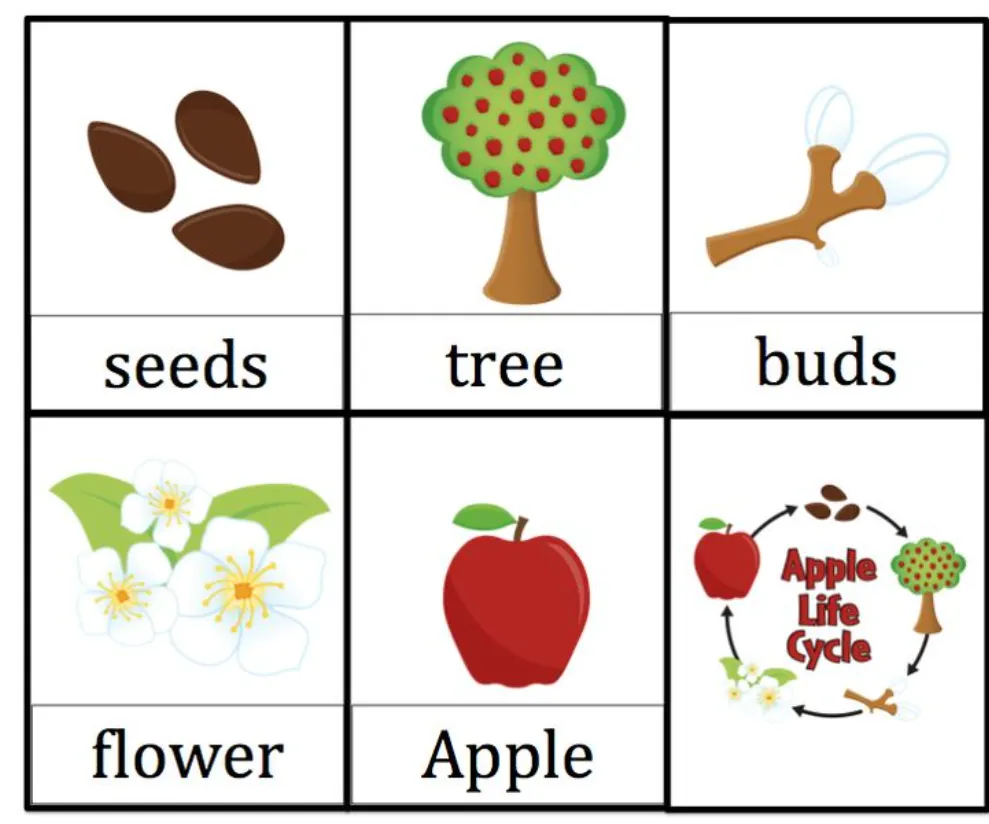
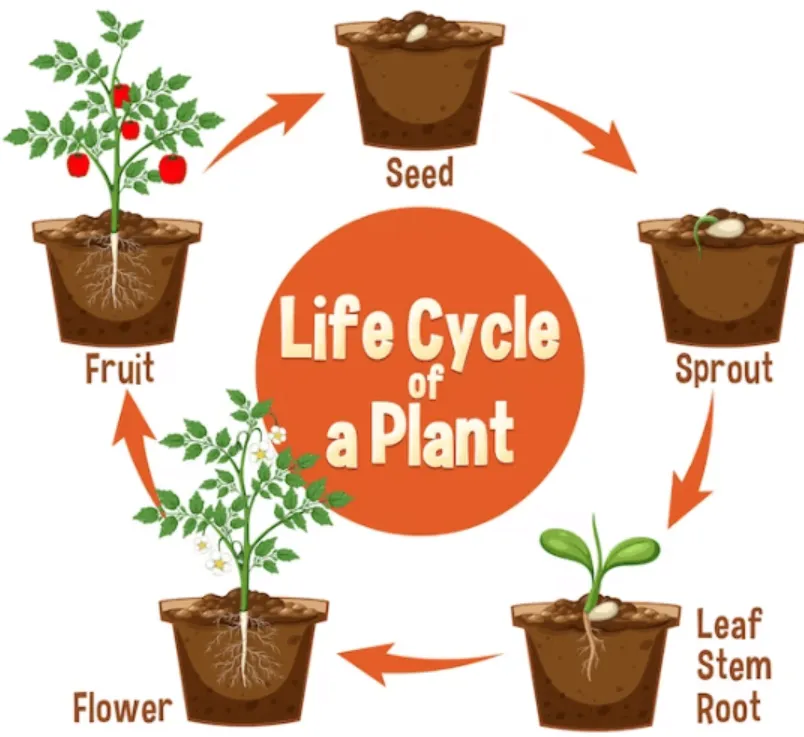
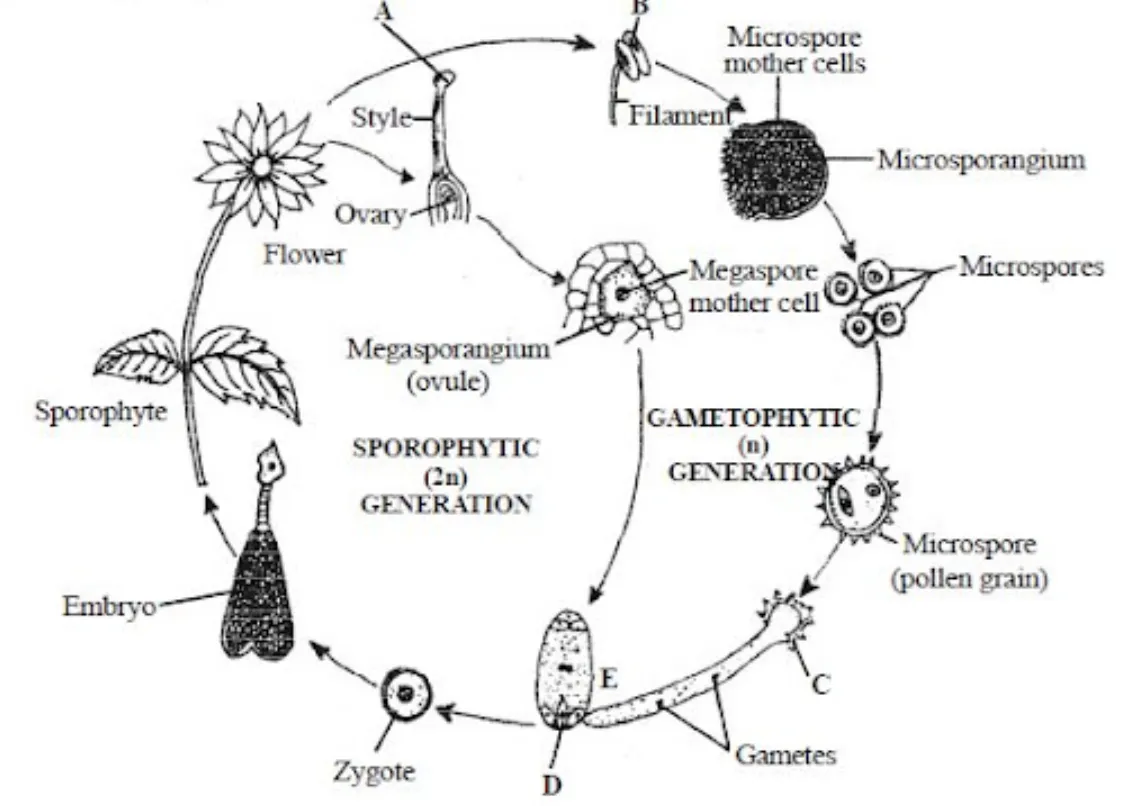
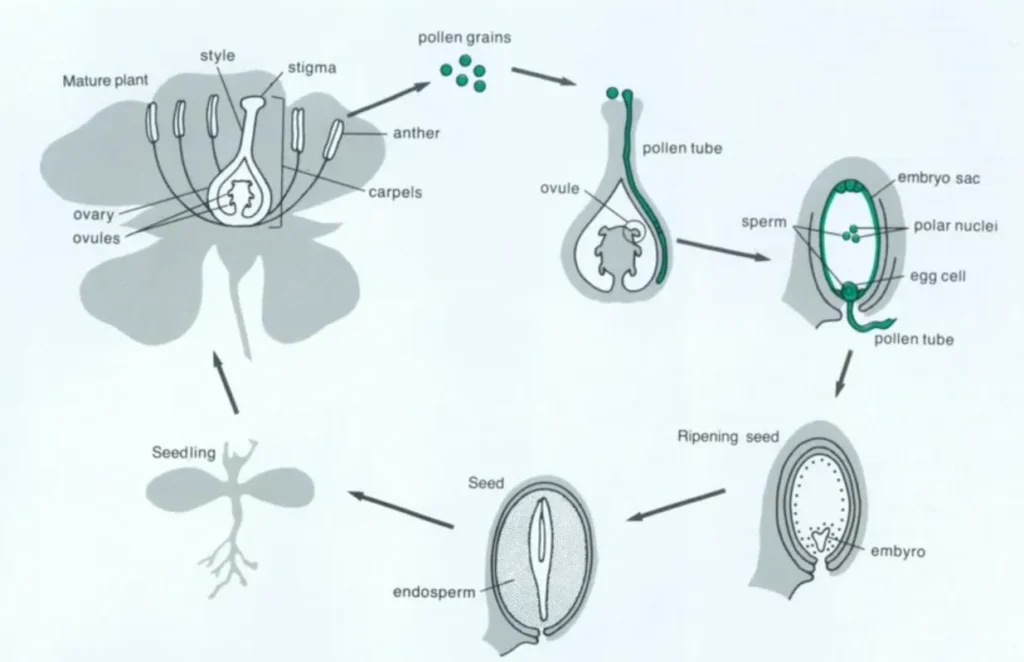
The life cycle of an angiosperm consists of several well-defined stages. Each stage ensures growth, reproduction, and survival.
🌱 Key Stages of the Life Cycle:
- Seed Stage:
- The life cycle begins with a seed containing an embryo.
- Germination:
- When conditions are favorable, the seed sprouts and begins to grow.
- Vegetative Growth:
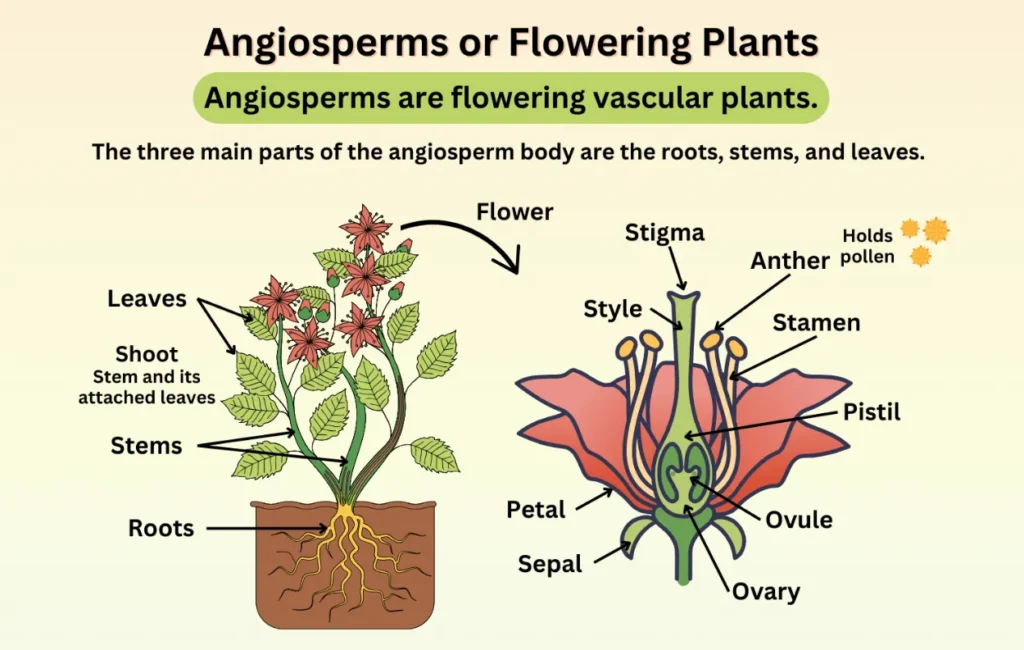
- The plant develops roots, stems, and leaves for photosynthesis.
- Flowering Stage:
- Mature plants produce flowers, which are reproductive organs.
- Pollination:
- Pollen transfer from male to female parts occurs.
- Fertilization:
- Male and female gametes fuse to form a zygote.
- Seed and Fruit Formation:
- Seeds develop inside fruits, ensuring protection.
🌍 Survival Abilities:
- Adaptation to different climates
- Efficient water usage
- Symbiotic relationships with pollinators
- Seed dormancy during unfavorable conditions
These features allow angiosperms to thrive in almost every environment on Earth.
Their Reproductive Process and Raising Their Children
Angiosperms have a highly efficient reproductive system.
🌸 Reproductive Process:
- Flower Formation:
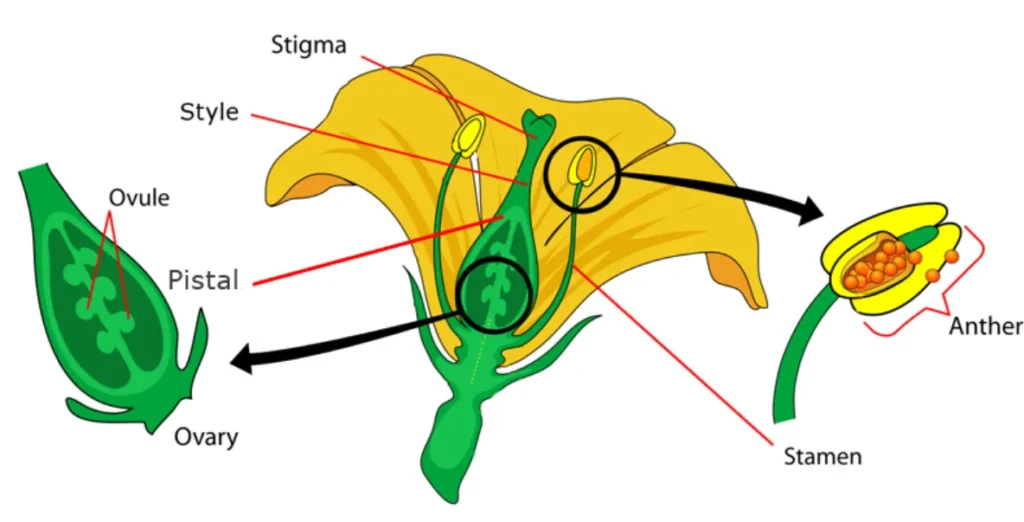
- Flowers contain male (stamen) and female (carpel) parts.
- Pollination Methods:
- Insects (bees, butterflies)
- Birds
- Wind
- Water
- Double Fertilization:
- Unique to angiosperms:
- One sperm fertilizes the egg
- Another form of endosperm (nutrient tissue)
- Seed Development:
- A fertilized ovule becomes a seed.
🌱 Raising Their “Children” (Seeds):
- Fruit Protection:
- Seeds are enclosed in fruits for safety.
- Seed Dispersal:
- Animals eat fruits and spread seeds
- Wind carries lightweight seeds
- Water transports seeds
- Dormancy:
- Seeds remain inactive until conditions are ideal.
- Germination:
- Seeds grow into new plants, continuing the cycle.
This process ensures the successful reproduction and survival of offspring across generations.
Importance of Them in the Ecosystem
Angiosperms are essential for maintaining ecological balance.
🌍 Key Importance:
- Food Source:
- Provide fruits, vegetables, grains, and nuts.
- Oxygen Production:
- Release oxygen through photosynthesis.
- Habitat Creation:
- Support wildlife like birds, insects, and mammals.
- Soil Stability:
- Prevent erosion with root systems.
- Climate Regulation:
- Absorb carbon dioxide and regulate temperature.
- Medicinal Uses:
- Many medicines come from flowering plants.
- Pollinator Support:
- Provide nectar and pollen for insects.
Without angiosperms, ecosystems would collapse, affecting all forms of life.
What to Do to Protect Them in Nature and Save the System for the Future
Protecting angiosperms is crucial for sustainability.
🌱 Action Steps:
- 🌿 Plant More Trees and Flowers
- Increase green cover in urban and rural areas.
- 🌎 Reduce Deforestation
- Protect forests and natural habitats.
- 🌼 Support Pollinators
- Avoid pesticides harmful to bees and insects.
- 💧 Conserve Water
- Use sustainable irrigation practices.
- 🌱 Promote Organic Farming
- Reduce chemical use in agriculture.
- ♻️ Reduce Pollution
- Minimize air, Water, and soil contamination.
- 📚 Spread Awareness
- Educate people about plant conservation.
- 🌍 Support Conservation Programs
- Participate in global environmental initiatives.
These steps can help preserve angiosperms for future generations.
Frequently Asked Questions (FAQs)
1. What is the life cycle of an angiosperm?
It includes seed, germination, growth, flowering, pollination, fertilization, and seed formation.
2. What makes angiosperms different from gymnosperms?
Angiosperms have enclosed seeds and flowers, while gymnosperms have naked seeds.
3. What are common angiosperm examples?
Examples include roses, wheat, mango, and sunflowers.
4. Why are angiosperms important?
They provide food, oxygen, medicine, and habitat for living organisms.
5. What is double fertilization?
A unique process where two sperm cells fertilize different parts of the ovule.
6. Where do angiosperms grow?
They grow in almost all environments, from forests to deserts.
7. How do angiosperms reproduce?
Through flowers, pollination, and seed formation.
8. Why should we protect angiosperms?
They are essential for ecosystems, climate balance, and human survival.
Conclusion
The life cycle of an angiosperm is a remarkable process that showcases the complexity and beauty of nature. From a tiny seed to a fully grown flowering plant, each stage is carefully designed to ensure survival and reproduction.
Angiosperms have evolved over millions of years to become the most dominant group of plants on Earth. Their ability to produce flowers and fruits gives them a major advantage over other plant types. This advanced reproductive system not only ensures their survival but also supports countless other organisms.
In today’s world, angiosperms are more important than ever. They provide food, medicine, oxygen, and shelter. They also play a key role in maintaining ecological balance and combating climate change.
However, human activities such as Deforestation, Pollution, and climate change are threatening their existence. Protecting angiosperms is not just about saving plants—it is about preserving life on Earth.
By understanding their life cycle and importance, we can take meaningful steps to protect them. Simple actions like planting trees, reducing Pollution, and supporting conservation efforts can make a big difference.
Also Read About: Life Cycle of Lightning Bug