The life cycle of a butterfly for kindergarten is one of the most fascinating and beautiful transformations in nature. Butterflies are colorful insects that children often see flying from flower to flower in gardens, parks, and forests. Their gentle flight and bright wings pique young learners’ curiosity, making them a wonderful topic for early science education.
For kindergarten students, learning about butterflies helps them understand how living things grow and change over time. A butterfly does not start its life with wings. Instead, it goes through several amazing stages before becoming the beautiful insect we recognize. This process is called metamorphosis, which means a big change in form or structure.
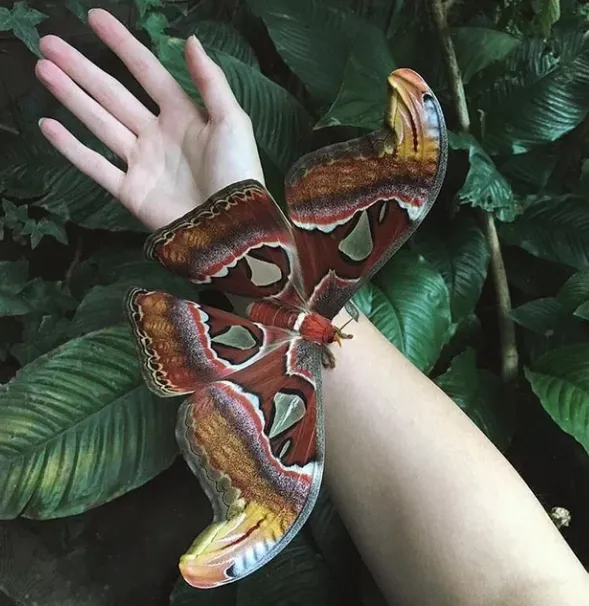
Butterflies belong to the insect family called Lepidoptera. They are closely related to moths and are known for their delicate wings covered with tiny scales. These wings come in many shapes and colors, making butterflies some of the most visually striking creatures in the animal kingdom.
Children often enjoy activities such as butterfly drawing, watching caterpillars grow, or visiting butterfly gardens. These experiences make science fun and interactive while helping them understand nature. Butterflies also play an important role in the environment because they help plants grow by carrying pollen from one flower to another.
In 2026, scientists continue to study butterflies better to understand ecosystems, climate change, and biodiversity. These small insects teach us valuable lessons about growth, patience, and transformation.
In this article, we will explore where butterflies came from, how scientists named them, the stages of their life cycle, and why they are so important for our planet. By the end, even kindergarten learners will understand the magical journey from a tiny egg to a flying butterfly.
Their Evolution And Their Origin
Butterflies have a very long history on Earth. Scientists believe that butterflies evolved from moth-like ancestors millions of years ago. Their evolutionary journey tells an interesting story about how insects adapted to changing environments and flowering plants.
Research suggests that butterflies first appeared about 100 million years ago, when dinosaurs still lived on Earth. This was also the period when flowering plants started to spread across the planet. Butterflies evolved alongside these plants, forming a close relationship that continues today.
The ancestors of butterflies were likely nocturnal insects similar to moths. Over time, some species adapted to daytime activity. These new insects developed bright colors and patterns to communicate with other butterflies and to warn predators that they might taste bad.
Another important part of butterfly evolution is their wings. Butterfly wings are covered with thousands of microscopic scales. These scales reflect light, creating the brilliant colors we see today. Some butterflies use these colors to attract mates, while others use them to camouflage themselves from predators.
Scientists studying butterfly fossils and genetic data believe that butterflies originated in regions that are now part of North and South America. From there, they slowly spread to other parts of the world as continents shifted and climates changed.
Today, there are more than 20,000 known butterfly species worldwide. They live on every continent except Antarctica. Each species has its own unique colors, patterns, and behaviors.
Butterflies also evolved special mouthparts called a proboscis, which act like a long straw. This allows them to drink nectar from flowers. This adaptation helped them become important pollinators in many ecosystems.
Over millions of years, butterflies have continued to adapt to different climates, plants, and predators. Their survival story shows how nature constantly changes and evolves.
Understanding the evolution of butterflies helps scientists protect them today, especially as habitats change due to human activities and climate change.
The History Of Their Scientific Naming
The scientific naming of butterflies is part of the binomial nomenclature system, which helps scientists classify and identify living organisms worldwide. This system was developed by the Swedish scientist Carl Linnaeus in the 18th century.
Here are some key points about the scientific naming of butterflies:
- Two-Part Naming System
- Every butterfly species has two names: the genus and the species. For example, the monarch butterfly is called Danaus plexippus.
- Carl Linnaeus and Classification
- In 1758, Carl Linnaeus published a famous book called Systema Naturae. In this book, he classified many plants and animals, including butterflies.
- Family Lepidoptera
- Butterflies belong to the order Lepidoptera. This word comes from Greek and means “scale wings,” referring to the tiny scales covering their wings.
- Scientific Names Are Universal
- Scientific names allow researchers from different countries to identify the same species without confusion caused by different languages.
- Continuous Discovery
- Even today, scientists continue to discover new butterfly species and update classifications using modern genetic research.
This naming system helps researchers organize knowledge about butterflies and understand how different species are related.
Important Things That You Need To Know
Butterflies are not only interesting insects but also part of popular culture and daily life. Many people encounter the word “butterfly” in different contexts, from nature to fashion and science.
Here are some important LSI keywords related to butterflies that people often search for:
Butterfly
A butterfly is an insect known for its colorful wings and complete metamorphosis. Butterflies are active during the day and feed mostly on nectar from flowers.
They play an important role as pollinators and are often used as symbols of transformation, hope, and beauty.
Butterfly Drawing
A butterfly drawing is a popular activity for children and artists. Kindergarten students often practice drawing butterflies to learn about symmetry because butterfly wings usually have mirror-like patterns.
Drawing butterflies can also help children develop creativity and motor skills.
Butterfly Bush
The butterfly bush is a flowering plant that attracts butterflies. Its scientific name is Buddleja. Gardeners plant butterfly bushes because they produce sweet nectar that butterflies love.
These plants help support butterfly populations in gardens and parks.
Butterfly Effect
The butterfly effect is a scientific concept from chaos theory. Small actions can lead to large consequences over time.
The idea is often explained with the phrase: “A butterfly flapping its wings could eventually influence a storm somewhere else.”
Butterfly Tattoo
A butterfly tattoo is a popular symbol in art and fashion. Many people choose butterfly tattoos because they represent change, freedom, and personal growth.
Although this meaning is symbolic, it reflects the real transformations butterflies undergo in nature.
Their Life Cycle and Ability to Survive in Nature
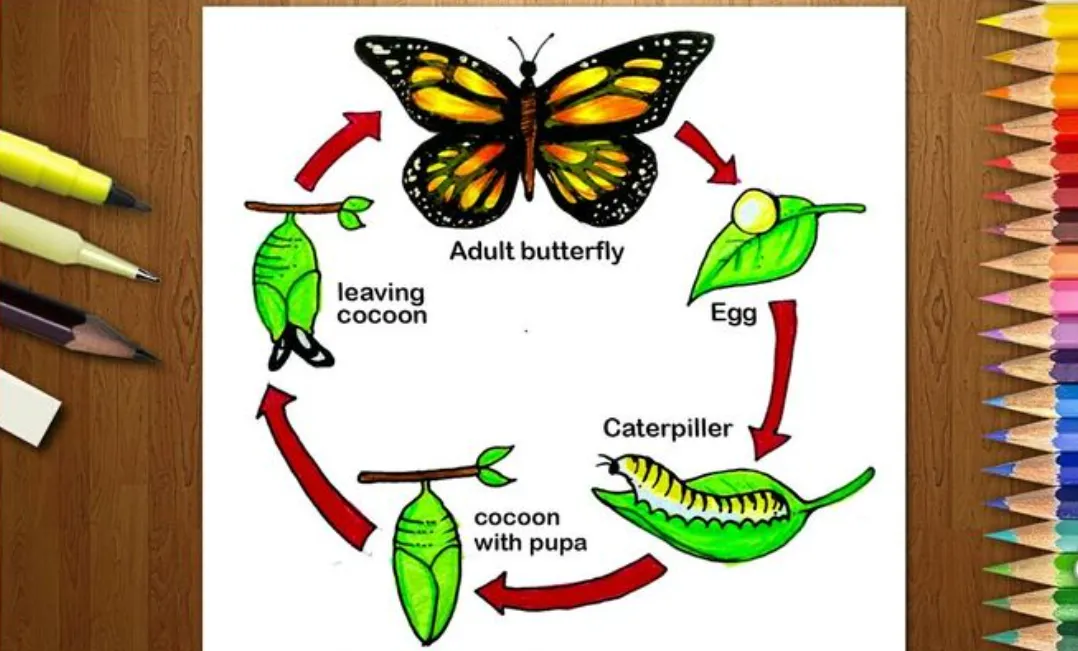
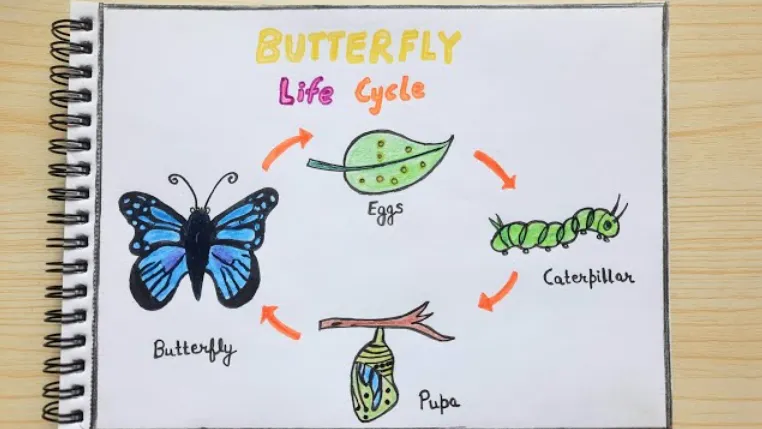
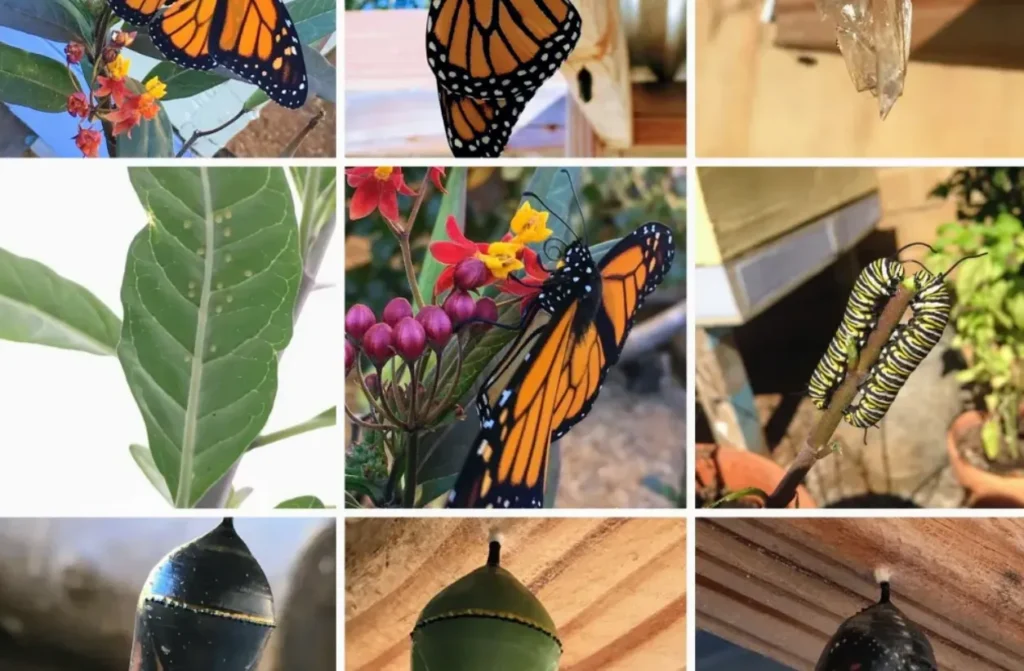
The life cycle of a butterfly has four main stages. Each stage plays an important role in the butterfly’s growth and survival.
Here are the stages explained in simple terms:
- Egg Stage
- The life of a butterfly begins as a tiny egg. Female butterflies lay eggs on plant leaves so that the baby caterpillar will have food when it hatches.
- Larva (Caterpillar)
- When the egg hatches, a caterpillar comes out. The caterpillar spends most of its time eating leaves and growing quickly.
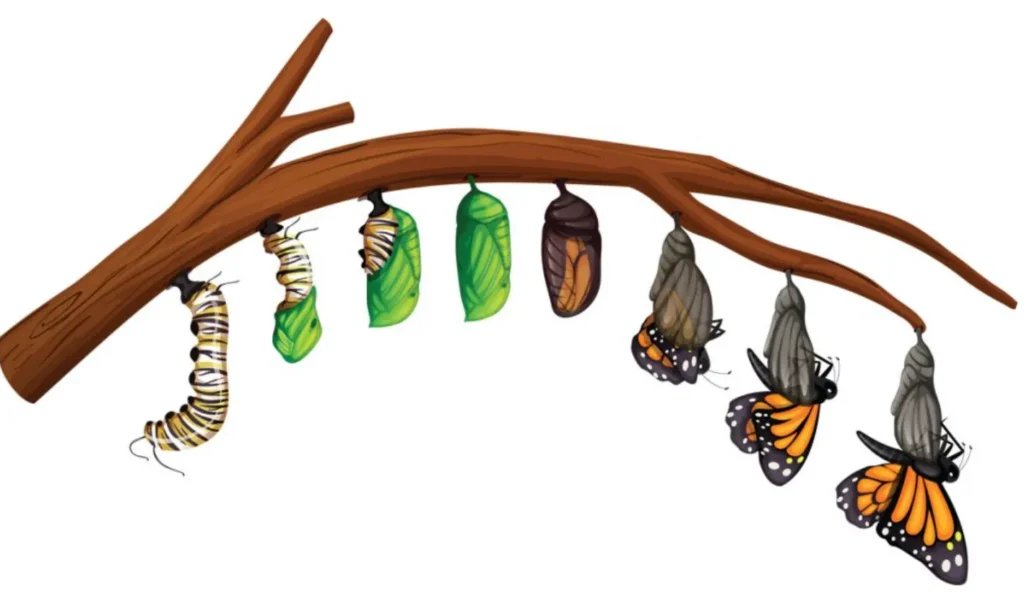
- Pupa (Chrysalis)
- Once it has grown enough, the caterpillar forms a protective covering called a chrysalis. Inside this shell, the caterpillar slowly transforms into a butterfly.
- Adult Butterfly
- Finally, the adult butterfly emerges from the chrysalis with soft wings. After drying its wings, it begins to fly and search for flowers.
Survival Skills
- Bright wing colors help butterflies warn predators.
- Some butterflies camouflage themselves to blend into leaves.
- Many species migrate long distances to survive seasonal changes.
- Their light bodies allow them to escape danger quickly.
These abilities help butterflies survive in forests, gardens, and meadows around the world.
Their Reproductive Process and Raising Their Children
Butterflies reproduce through a process that begins with mating between male and female butterflies.
Here are the key steps in their reproductive cycle:
- Finding a Mate
- Male butterflies often use colors, scents, and flight patterns to attract females.
- Mating Process
- During mating, the male transfers reproductive cells to the female.
- Egg Laying
- After mating, the female butterfly searches for suitable plants. She lays eggs on leaves that caterpillars can eat.
- Protecting the Eggs
- Some butterfly species choose plants that provide natural protection from predators.
- Beginning the Life Cycle
- Once the eggs hatch, the new caterpillars begin eating immediately and start the life cycle again.
Butterflies do not raise their young the way birds or mammals do. Instead, they ensure survival by choosing safe plants for their eggs.
Importance of Them in the Ecosystem
Butterflies play a very important role in maintaining healthy ecosystems.
Here are some reasons why they matter:
- Pollination
- Butterflies help pollinate flowers as they drink nectar. This helps plants reproduce.
- Food Source for Other Animals
- Birds, spiders, and other insects eat butterflies, making them an important part of the food chain.
- Indicator of Environmental Health
- Scientists study butterfly populations to understand how environmental changes affect them.
- Supporting Plant Diversity
- By pollinating plants, butterflies help different plant species grow and spread.
- Educational and Cultural Value
- Butterflies inspire art, science education, and environmental awareness.
Protecting butterflies helps protect many other species that depend on healthy ecosystems.
What to Do to Protect Them in Nature and Save the System for the Future
Protecting butterflies is important for the health of our planet. Here are some actions we can take:
- Plant Butterfly-Friendly Flowers
- Grow plants like milkweed, lavender, and sunflower that provide nectar.
- Avoid Harmful Pesticides
- Chemical pesticides can kill butterflies and their caterpillars.
- Create Butterfly Gardens
- Gardens with diverse plants attract butterflies and provide safe habitats.
- Protect Natural Habitats
- Forests, meadows, and wetlands are important homes for butterflies.
- Support Conservation Programs
- Many organizations work to protect endangered butterfly species.
- Educate Children About Nature
- Teaching young students about butterflies helps create future conservationists.
- Reduce Pollution and Climate Change
- Environmental protection helps butterflies survive long-term.
Small actions can make a big difference in protecting butterflies.
Frequently Asked Questions (FAQs)
1. What are the four stages of a butterfly’s life cycle?
The stages are egg, caterpillar (larva), chrysalis (pupa), and adult butterfly.
2. Why is the butterfly life cycle important for kindergarten students?
It helps children understand how living things grow and change.
3. How long does a butterfly live?
Most butterflies live between two weeks and one month, depending on the species.
4. What do butterflies eat?
Butterflies mainly drink nectar from flowers.
5. Where do butterflies lay their eggs?
They usually lay eggs on leaves of plants that caterpillars can eat.
6. Why are butterflies colorful?
Their colors help attract mates and warn predators.
7. Are butterflies important for plants?
Yes, they help pollinate flowers and support plant reproduction.
8. Can butterflies migrate long distances?
Yes, some species, like the monarch butterfly, migrate thousands of kilometers.
Conclusion
Butterflies are among the most beautiful and fascinating creatures in the natural world. Their transformation from a tiny egg to a colorful flying insect is one of nature’s most amazing processes. For kindergarten learners, understanding the butterfly life cycle offers an exciting introduction to science and the wonders of nature.
The butterfly life cycle includes four main stages: egg, caterpillar, chrysalis, and adult butterfly. Each stage plays a vital role in the insect’s development. The caterpillar grows and stores energy, the chrysalis protects the transformation process, and the adult butterfly spreads pollen and continues the cycle by laying eggs.
Butterflies are also extremely important for the environment. They help pollinate plants, support food chains, and act as indicators of environmental health. When butterfly populations decrease, it often signals problems in ecosystems such as habitat loss or climate change.
In today’s world, scientists and conservationists are working to protect butterflies and their habitats. Planting butterfly-friendly gardens, reducing pesticide use, and protecting natural landscapes are simple actions that can make a big difference.
Teaching children about butterflies encourages curiosity, creativity, and environmental responsibility. Activities such as observing caterpillars, planting flowers, or drawing butterflies help young learners connect with nature.
Ultimately, butterflies remind us that small creatures can have a big impact on our planet. By understanding and protecting them, we help ensure a healthier and more balanced ecosystem for future generations.
Alos Read About: Life Cycle of an Axolotl